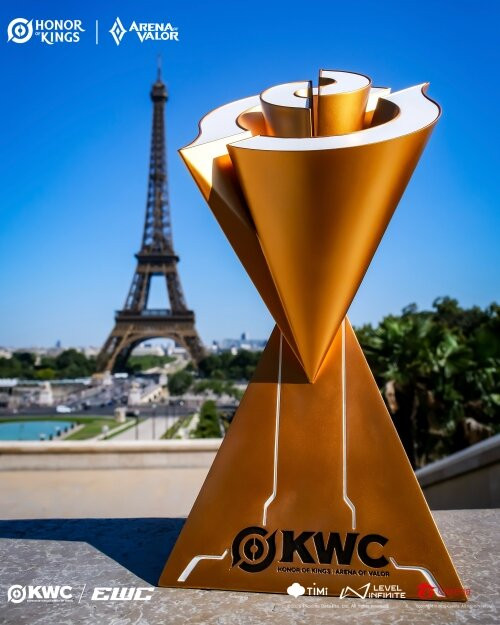
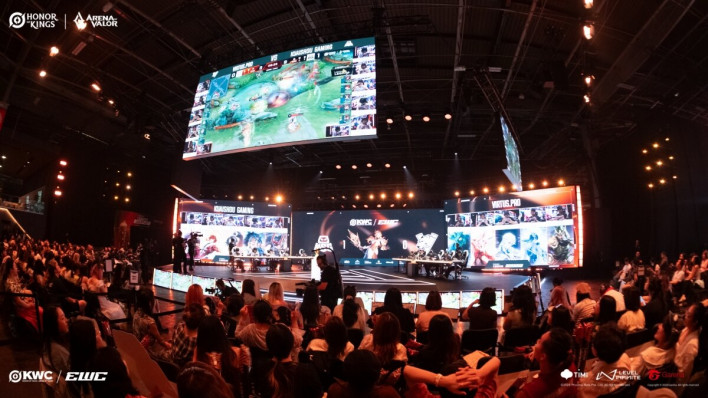
'Honor of Kings' was featured as an official event at the Esports World Cup (EWC) for the third consecutive year. The Honor of Kings World Cup (KWC) 2026, which concluded in Paris, France, in August, boasted a $3 million prize pool (approx. 4.07 billion won), with Kuaishou Gaming (KSG) defeating AG.AL 4-3 in the grand final to claim the title. The tournament was also the first international competition where Honor of Kings and Arena of Valor teams competed against each other on a special version featuring heroes from both titles. Tencent stated that the event surpassed 700,000 peak concurrent viewers for the first time in Honor of Kings esports history.
Korea is currently expanding its presence on the international stage for the title. Nongshim RedForce qualified for the KWC main event for the second consecutive year and will represent Korea as the national team at the Aichi-Nagoya Asian Games. This year's KWC was also broadcast with Korean commentary.
In an interview, Feng, Executive Producer of Honor of Kings Global Esports at Tencent Games' TiMi Studio, shared insights on the Korean market, the background behind introducing the unified tournament build, the competitive gap between China and other regions, the challenges following regional league mergers, and the esports roadmap for the second half of the year.
Honor of Kings and Arena of Valor teams clashed using a special build featuring heroes from both games. What was the background behind introducing this, how do you evaluate its actual implementation, and will this format continue?
“One of the goals for KWC 2026 was to create a global tournament that brings together top teams from both the Honor of Kings (HOK) and Arena of Valor (AoV) ecosystems. Both titles share the same roots. We saw an opportunity to bring players and fans onto the same stage while leveraging the strengths and identities of both communities.
The special tournament build was designed to allow teams from different regions and ecosystems to compete under a unified set of rules. In practice, it produced new matchups and strategies, allowing fans to witness direct clashes between teams that would normally never meet.
It is still too early to announce future formats. We plan to gather feedback from all stakeholders and continue evaluating the impact of this year's approach. However, we are excited about the opportunities that cross-regional and cross-ecosystem competition will create for the long-term growth of Honor of Kings esports.
This year's EWC event was held in Paris rather than Riyadh. How did hosting it in Europe actually impact expansion in Western markets? We would like to hear about any specific, measurable changes in viewership metrics or on-site reactions.
“Europe boasts a diverse gaming community, leading esports organizations, and a maturing ecosystem. Hosting the event in Paris offered Honor of Kings esports an opportunity to connect with new viewers in the region while bringing our existing international community to a new market.
Beyond the matches themselves, local fans, creators, teams, and partners actively engaged throughout the tournament. Teams from both established and emerging regions also benefited from increased global exposure.
It was also encouraging that this tournament surpassed 700,000 peak concurrent viewers for the first time in Honor of Kings esports history. Setting a new viewership record for the title serves as a strong signal of growing global interest.
Since joining EWC, all three championship titles have gone to Chinese teams. This year's grand final was also an all-Chinese matchup between KSG and AG.AL. As a title aiming for a global ecosystem, how do you view the current competitive balance? What measures are being prepared to narrow this gap?
“One trend we have observed in recent years is the increasing depth and diversity of competition across the ecosystem. While it is true that the KWC 2026 grand final was contested between Chinese teams, teams from other regions demonstrated strong performances. As the ecosystem expands, we are focusing on creating opportunities for more regions to consistently compete at the highest level.
In addition to strengthening regional leagues and expanding pathways to international tournaments, we introduced the HOK Global Esports Power-Up Program. This provides systematic training and mentoring for players, along with ongoing support for coaches and managers across various professional leagues. Coaches and experts from the King Pro League (KPL) directly participate to increase knowledge sharing and elevate the overall level of competition, serving as a vital pillar in closing the gap.
Our priority is to build an environment where talent from any region can emerge and compete on the global stage. Through investments in KWC, the Honor of Kings International Championship (KIC), and regional programs, we are laying the groundwork for competitive diversity.
KME, KMW, and WKS were merged into the 'Honor of Kings Major League'. What was the most important criterion when consolidating multiple regional leagues into one? Having completed the first season, what are the achievements so far and the areas that need improvement?
“The consolidation stemmed from our goal to create a stronger and more sustainable competitive ecosystem. Merging the three leagues expands the pool of top teams and talent, elevates the overall level of competition, and establishes a clearer pathway from regional competitions to the international stage.
After completing the first season, we view the improvements in match quality, cross-regional collaboration, and talent development opportunities very positively. At the same time, we received meaningful feedback from teams, players, and fans regarding tournament formats and fan engagement. These are areas we will continue to review as the league evolves. The first season marks a milestone, and we will continue refining our tournaments to provide a better experience for players, teams, and fans alike.
When entering new regions, in what sequence and proportion do you approach amateur tournaments, creators and influencers, local partners, and recruiting established esports organizations? Could you share any cases where a different approach was taken due to local conditions?
“We do not apply a single rigid strategy to every market. Because gaming culture, esports development stages, and existing communities vary by region, we first assess local conditions before determining where to focus. We adjust the proportion of community development, creator collaborations, local partnerships, and professional competitions based on the market's maturity.
In markets where the competitive ecosystem is still forming, we might first focus on grassroots participation through community activities, amateur tournaments, and creator collaborations. As the ecosystem grows, we partner with local entities and esports organizations to strengthen competitive structures and build clear pathways from amateur to pro.
In some regions, established esports organizations and local partners accelerate ecosystem development, while in others, creators and grassroots tournaments play a bigger role in driving initial engagement. Reading local needs comes before setting a fixed sequence.
Sustainability is key in publisher-led international circuits. What structures have been designed to allow participating teams to generate revenue beyond prize money? How effective have mechanisms like team-branded in-game items or revenue sharing actually been?
“Our goal is to help teams build long-lasting relationships with fans and create value beyond tournament performance. Content, community initiatives, sponsorships, and partnerships serve as the means to achieve this.
A concrete example is team-themed voice stickers. We have already collaborated with over 10 teams to release them in-game, and we are preparing a new batch that includes even more teams. User reception has been positive, and teams gain in-game exposure. Tencent also provides incentives to teams based on sales rankings, creating a mutually beneficial structure.
However, commercial opportunities and contractual terms available to teams can vary depending on the market, league, and participating organization. We continue to work with teams and regional partners to find models tailored to each ecosystem, while also exploring localized content and region-focused fan activities as ways to strengthen the connection between teams and their communities.
What was the intent behind designing the amateur-to-pro path and separate tracks like KWS? Do you have plans to establish global standards regarding player contracts, transfers, and post-retirement career paths?
“The amateur-to-pro pathway was designed to create a clear route for aspiring players to advance from grassroots competitions all the way to the highest level. The Honor of Kings Women's Series (KWS) was created to broaden participation and provide more opportunities for female players to grow in a dedicated competitive environment. Working together, these two pathways allow us to discover talent from a wider range of backgrounds and regions.
In the areas of player welfare, contracts, transfers, and career development, we are working with leagues, teams, and regional partners to spread professional standards and best practices across the ecosystem. While esports regulations vary by region, our long-term goal is a transparent and sustainable environment that supports players and personnel throughout their entire careers.
Tencent: "Honor of Kings Esports to Make Long-Term Investment in Korea"
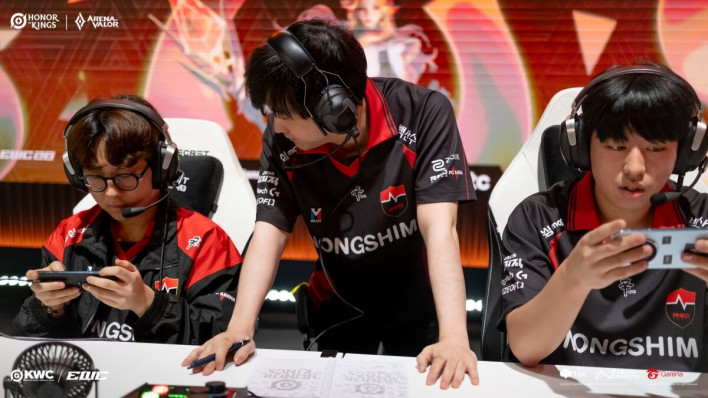
Korea did not field a team in this title at the 2022 Hangzhou Asian Games, but will send an Honor of Kings national team to Aichi-Nagoya. How do you view this change?
“Korea's expected participation in Honor of Kings at the Asian Games marks a meaningful milestone in the title's growth within this market. Korea possesses a rich esports heritage and a history of nurturing world-class competitive talent.
We look forward to seeing Korean players compete against top teams from across Asia and gain experience on one of the region's most prestigious sporting stages. We hope their participation will heighten interest among Korean players and fans, contributing to the long-term development of the local ecosystem.
What do you think is most needed for Korean teams and players to reach the top international tier?
“First, I would like to acknowledge Nongshim RedForce for securing a spot at KWC for two consecutive years. Qualifying for a tournament of this scale is an achievement in itself, and we highly commend their efforts in representing Korea on the international stage.
Their KWC performance should be viewed alongside their broader progress internationally. Nongshim RedForce reached the finals in both Season 3 and Season 4 of the Honor of Kings Invitational. This demonstrates that Korean teams have the potential to compete at a high level against strong international opponents.
Korea's deep esports culture and talent pipeline serve as the foundation for future growth. We will continue supporting these opportunities through international tournaments and the Power-Up Program, connecting coaches, analysts, and managers with KPL experts and training resources.
Honor of Kings esports held a tournament in Korea in 2018 before withdrawing, and the domestic user base remains relatively small. Nevertheless, this year's KWC was broadcast on Korean platforms. What are your priorities for Korea from an esports perspective? Are you considering a Korean regional league or amateur tournaments?
“Korea is an important market in our long-term vision. It has long influenced the global esports industry and has nurtured world-class players, teams, and industry professionals. We view the growing engagement of the Korean community positively, including rising interest in competitive content and the introduction of Korean-language broadcasts for this year's KWC.
We are continuing to evaluate ways to further support the Korean community, including grassroots and competitive programs. Future plans will be guided by the needs of local players and fans, with the aim of creating tangible pathways for Korean talent to participate in and contribute to the global ecosystem.
The second half of the year will feature the Asian Games, KIC 2026, and the KWS4 World Championship in succession. How have you defined and structured the roles and status of each tournament?
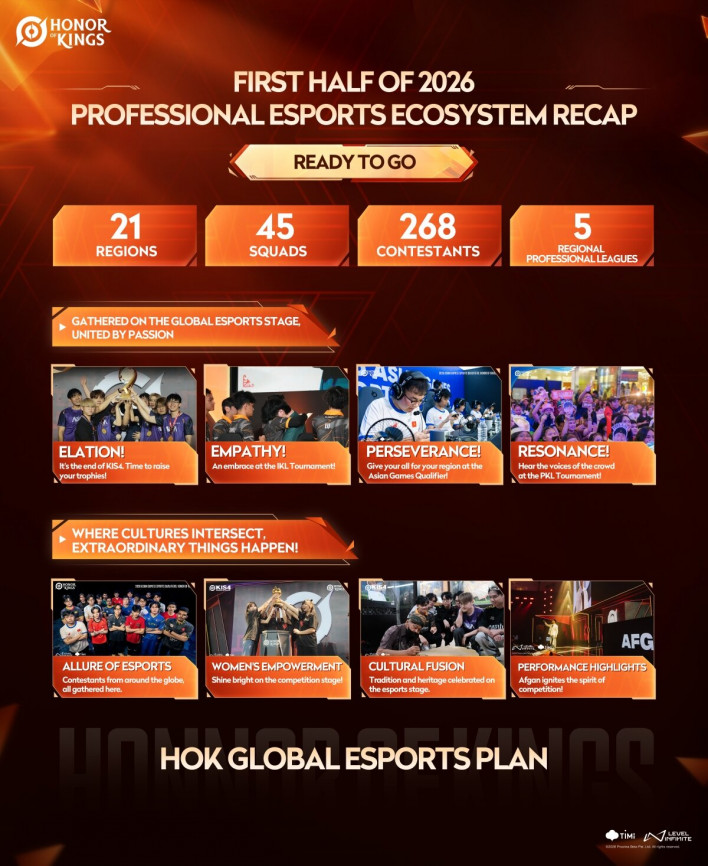
“Each tournament serves a distinct role. The Asian Games represents the pinnacle of national team competition, while KIC 2026 will bring together the top 16 teams worldwide in December to conclude the club season. KWS4 is a tournament aimed at strengthening pathways for female players, with over 36 teams expected to participate. The offline finals and the KWS4 World Championship will be held alongside KIC 2026.
These international tournaments sit at the apex of a broader competitive pathway. Open Series Split 6 provides grassroots teams with a path to regional pro leagues, while the Campus Series in Malaysia, the Philippines, and Indonesia is expected to involve more than 30,000 participants. Five regional leagues will also return for the fall season. This ensures regular opportunities for teams to grow and earn qualifications for international events.
Spanning from grassroots to regional, women's, national team, and global club competitions, schedule management is crucial. We are working with teams and stakeholders to balance tournaments, preparation, and recovery time. The host location and format for KIC 2026 will be shared at an appropriate time.
Honor of Kings is confirmed as an EWC event through 2027. What do you hope the ecosystem will look like by then, and what metrics will define success? If there is room for collaboration with Korean game companies or teams, what form do you envision it taking?
“Our goal is to develop a global ecosystem with a solid regional foundation, meaningful international tournaments, and clear growth pathways for players and teams. Success is not defined by a single metric. We look at the growth and competitiveness of regional ecosystems, the diversity of teams appearing in international tournaments, viewership engagement, and the overall sustainability of the ecosystem.
Korea is a market with an established esports ecosystem, a strong talent pool, and an innovative gaming industry environment. We see great opportunities for knowledge exchange and talent development. We are ready to explore initiatives supporting player development, community growth, and competitive opportunities in collaboration with Korean clubs, esports organizations, and industry partners. Our focus is on long-term partnerships that create value for players, fans, and the broader esports ecosystem.