It is fun and exhilarating. S-Game has repeatedly brought up "kungfupunk," and playing the game makes you naturally feel the answer directly at your fingertips. It feels as if you have stepped right into the middle of a martial arts movie. The visuals, the music, and the flashy, fluid movements of the character embody the very essence of a master in a wuxia film.
The absolute best part is, without a doubt, the combat. When you clash weapons with a boss and fight frantically, you instantly understand what true martial arts exchange—the clash of blades—feels like. Stylish combat packed with heavy hit feedback, crisp, satisfying clashes echoing in your ears, bone-chillingly great music, and weapons that each offer a distinct experience come together to push combat immersion and fun to the limit.
It took about 40 hours to reach the ending, and I sprinted through relentlessly. I scoured every corner of the map, collected items, and even swapped difficulty settings while playing. When I finally reached the credits, my heart was pounding—from the lingering aftertaste of the final boss, the reflection on its thrilling action, and the lingering regret that there were no new battles left to fight.
What I found most disappointing and frustrating while writing this review was simple: due to spoiler guidelines, I could not mention the single best, most immersive part of the entire game—its late-game combat moments.
*Due to review spoiler guidelines, all related details could not be mentioned.
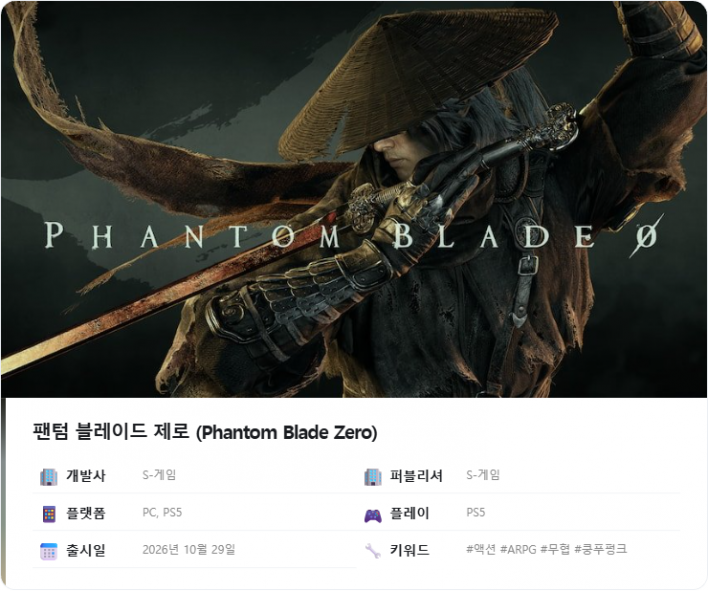
Combat that is pure dopamine Fluid, beautiful, thrilling, and fun
The defining feature and biggest strength of Phantom Blade Zero is its combat. From start to finish, every encounter you face is thrilling. Calling it an absolute dopamine overload would not be an understatement.
S-Game took basic actions—attacking, blocking, dodging—and infused them with their own flair. That doesn't mean the basic controls are fundamentally different. While keeping standard inputs intact, they added supplementary mechanics to deliver stylish, high-density combat. They effectively maximized the immersion and enjoyment that combat itself can provide.
The most crucial core element of Phantom Blade Zero's action is "flow." Making players feel as if they are true kung fu masters, and displaying movements that are seamlessly fluid, flashy, yet restrained—just like in martial arts cinema—is the essence of the action Phantom Blade Zero presents.
Phantom Blade Zero applies cinematic visuals directly to real gameplay controls. What you see and play feels like a piece from a classic wuxia film.
This was made possible because the combat is bound together in a single rhythm. Every action flows without interruption until the end of a battle. Literally every move chains endlessly with maximum efficiency from minimal input. You don't actually press that many different buttons, but as you alternate your hands, the controller inputs flow uninterrupted just like the fluid movements of the character on screen.
Your inputs translate directly into the protagonist's actions on screen. Even a simple basic attack combo translates visually into the movements of a martial arts master. The combos and inputs you execute connect visually to push combat immersion to its peak, greatly elevating overall player satisfaction.
Another major factor heightening combat immersion is hit feedback. The sound design and haptics felt at your fingertips are never overwhelming, delivering intense hit feedback that makes you feel as though you are directly confronting the enemy in every battle.
The crisp clashing of blade against blade and the impact sounds that vary by weapon type are fully realized. No matter how frantic the battle gets or how rapidly blades clash, these sounds never blend together or get drowned out, coming through distinctly note by note.
Music cannot be overlooked either. In terms of impact, the musical score is easily among the best of any game played in recent years.
The music in Phantom Blade Zero works not only as background audio to enhance ambiance, but also as an active combat element that separates boss phases and ramps up tension. It doesn't stop at merely being "good." Alongside cutscenes, cosmetic transformations, and escalating attack patterns during phase transitions, the soundtrack acts as a major driver that transforms the combat atmosphere and heightens immersion.
When experienced for the first time, the soundtrack's execution is so seamless it leaves you stunned. The wide variety of music weaving through the entire game is another major strength. Traditional sounds blend with a distinct funkiness, evoking moods that range from tragic and eerie to explosive hype.
Boss battles with genuine challenge Reduced friction through phase persistence
The reason combat feels clean and fluid despite its intensity is visual clarity. Even during relentless, high-speed encounters, enemy attacks remain surprisingly easy to read.
This is because the game emphasizes flashy combat animations rather than cluttering the screen with excessive particle effects. As a result, whether you are wielding rapid dual blades, powering a two-handed sword with fire or ice, or flinging sword beams continuously, eye fatigue stays minimal.
Even amid spectacular animations, enemy attacks and positions remain sharp and visible. While enemy attacks look dazzling, blocking them comes down solely to player execution; failing to block due to poor visibility almost never occurs.
However, while clarity was excellent against humanoid bosses, a few large bosses made it hard to read attack patterns and movements up close. Though few in number, fine-tuning camera distances according to boss size would have been a welcome adjustment.
It is also intriguing that every boss battle plays out differently. Despite a sizeable roster of bosses, each features a unique attack style without lazy palette swaps. Just as your tactics adapt to your equipped weapon, bosses present distinct combat styles based on their own weaponry.
Certain story bosses in particular feature unique mechanics and tricky attack patterns that make learning and overcoming them rewarding. Players must dodge, attack, identify special mechanics, and figure out counter-strategies on the fly.
This naturally encourages swapping between various main weapons, accessories, and Phantom Edges. For example, against a boss wearing a lion mask that spews roaring fire, you can equip a Phantom Edge that extinguishes flames, or equip cavalry-specific accessories to deal bonus damage to mounted bosses.
This makes boss encounters thoroughly entertaining. Whether a boss ambushes you or sits waiting beyond a doorway, there is no sense of dread—only anticipation to see what combat style they bring and what strategy will break them.
Though finding a boss's counter-strategy requires multiple attempts, the repetition brings little burden or stress thanks to phase persistence.
Once defeated, regular and elite enemies never respawn. Furthermore, in boss fights, reaching a new phase allows you to retry directly from that phase upon death. This system preserves the fun and immersion of combat while dramatically reducing the fatigue and frustration of repeated attempts.
Everyone knows the scenario: a brutal fight where after dozens of tries you finally reach the last phase, needing just a few more hits, only to die from a momentary lapse in focus or a misplaced input.
When this happens repeatedly, frustration and self-doubt tempt you to quit the game entirely, as thoughts creep in about how long it will take to reach that final phase again or whether you'll ever defeat the boss.
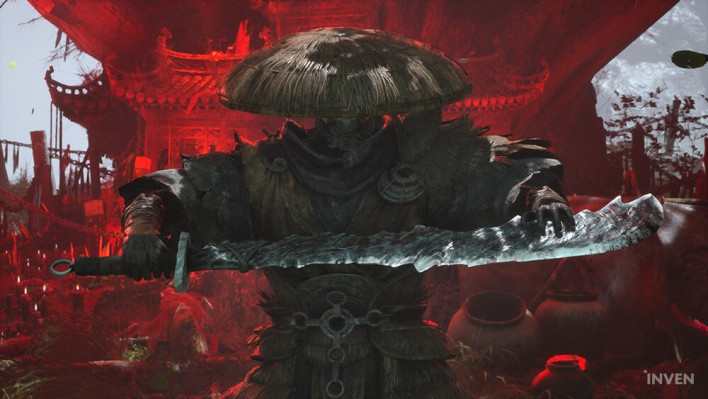
In Phantom Blade Zero, however, that stress is virtually nonexistent. Being able to play for 5 to 10 hours a day without burnout or getting overly annoyed during boss retries is credit to this phase persistence mechanic.
Since clearing a phase lets you jump right back into it after dying, you can play far more aggressively. Mastering enemy attack patterns takes significantly less time, which amplifies the thrill of combat to the point where cranking up the difficulty feels inviting. Failure carries no dread, and building execution mastery never feels burdensome.
Combat bound in a single rhythm Attack, defense, and dodge seamless as one
As mentioned, combat in Phantom Blade Zero flows continuously. There are no downtime moments to rest your fingers until an enemy is down. Waiting tentatively for enemy moves or lingering defensively for parry and dodge windows is virtually nonexistent.
Basic attacks and Sha-Chi combos string together endlessly, with rapid enemy strikes parried in between. When needed, dodges allow quick retreats or rapid closes to manage distance. Once your Sha-Chi is spent, switching to another weapon refills the meter to keep the fight going.
This process carries on seamlessly throughout every battle. The baseline exchange of attacks and parries is so fast and high-density that there is no time to think about anything else. In fact, it moves so quickly that boss fights afford almost no breathing room to use auxiliary Phantom Edges. You must channel full focus into main-weapon exchanges as combat moves at a blistering pace.
Yet combat isn't governed solely by basic inputs. The most distinct strikes in the game—red and blue attacks—give combat extra flair, acting as a key driver of thrill and gratification.
These color-coded attacks aren't merely prompts for perfect parries or dodges. Executing a precise defense against them triggers unique cinematic counter-actions. This allows defensive moves to deliver hit feedback that rivals offensive strikes, turning daunting enemy attacks into moments of excitement rather than stress.
This is why Phantom Blade Zero's action feels so much like a wuxia film and keeps dopamine surging. In the middle of intense, fast-paced exchanges, these special attacks strike, and executing a proper dodge or parry triggers stunning cinematic sequences mid-fight that stand apart from standard moves.
While base combat animations are already stylish, these special exchanges feature brief camera angle shifts. They offer a split-second cinematic pause amid furious combat, letting you admire the sheer choreography of what you just pulled off.
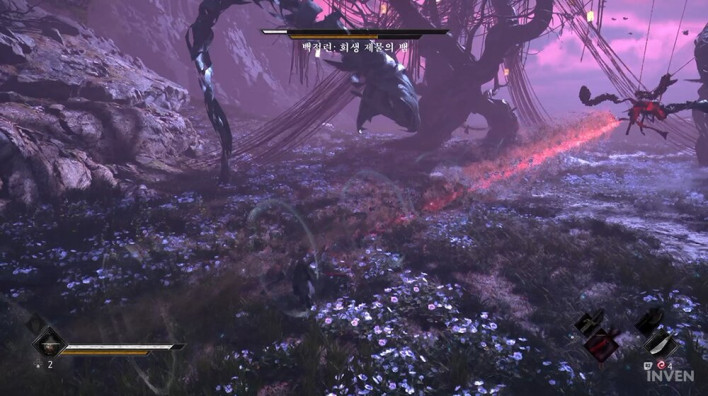
Tying Sha-Chi to weapon swapping plays a huge role in maintaining combat flow. Every action in battle—attacks, blocks, dodges—requires Sha-Chi. In particular, Sha-Chi combos that rapidly deplete enemy meters naturally consume a massive amount of your own Sha-Chi.
Furthermore, blocking heavy enemy strikes accompanied by dark aura effects instead of dodging them instantly drains all remaining Sha-Chi.
Yet Phantom Blade Zero never forces you to circle around passively or sip potions to recover meters in such moments. You simply switch to your second weapon, which immediately fully replenishes your Sha-Chi meter upon swap.
In short, while Sha-Chi fuels attacks, defense, dodges, and combos, resource depletion carries little penalty. Weapon swap cooldowns are remarkably short; even if a combo drains your meter or an error breaks your guard, swapping weapons lets you instantly resume fighting.
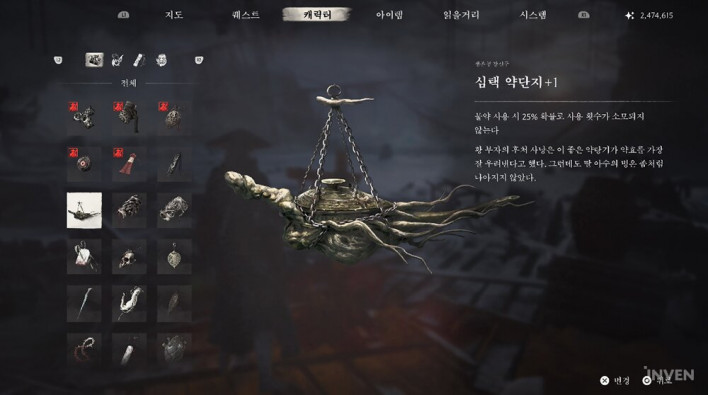
Accessories further support this system by enhancing swap convenience and Sha-Chi management—for instance, nullifying guard-break stagger when switching weapons, expanding total Sha-Chi capacity, or reducing the Sha-Chi cost of combos.
Distinct combat experiences per weapon Options to shape your own combat style
This Sha-Chi consumption and refill system forces players to utilize both equipped weapons, naturally diversifying moment-to-moment combat. This feeds directly into another standout strength of Phantom Blade Zero: tailoring distinct combat builds and playstyles through weapons and accessories.
The key reason combat in Phantom Blade Zero never feels repetitive from start to finish is its arsenal.
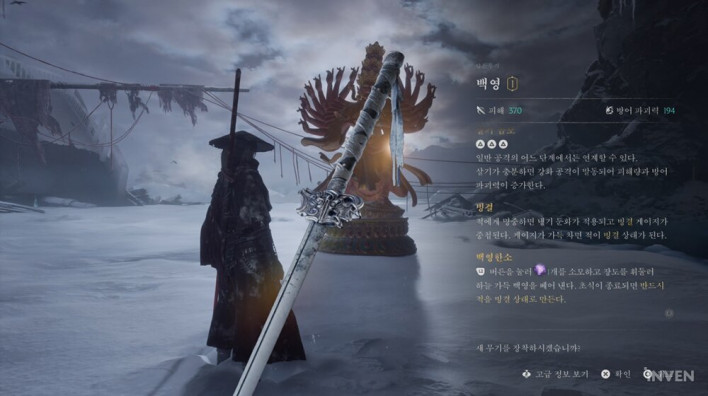
Every weapon acquired in the game features a distinct combat style. Even within the same category—such as dual blades, single-handed swords, or two-handed weapons—inputs and mechanics differ completely. The only inputs shared across all weapons are basic attacks, Sha-Chi attacks, and ultimate abilities.
Due to spoiler guidelines, detailing exact weapon mechanics is restricted. However, as an example, hitting enemies with a certain weapon's Sha-Chi attack builds an elemental gauge; detonating this gauge embeds elemental power into Sha-Chi combos. Pressing inputs while this buff is active triggers explosive, high-damage strikes that consume the remaining duration.
Another weapon applies marks via basic attacks, which can be upgraded into enhanced marks with varied effects using specific inputs. Upgraded marks are charged through basic and Sha-Chi attacks until detonated, and continuing enhancements unlocks additional follow-up effects.
Another weapon grants an attack buff via specific inputs; executing a Sha-Chi combo then fires sword beams that mark enemies, rapidly eroding their Sha-Chi meters while boosting damage taken. Other weapons grant unique buffs through specialized inputs, allowing players to sustain or detonate active buffs.
Weapons are not built with identical combat loops and varied skills; instead, each is designed to encourage a completely distinct approach to combat. Roughly 30 weapons each deliver a unique playstyle. Furthermore, weapon upgrades and awakenings unlock additional secondary traits, deepening gameplay with the same weapon as you progress.
This is not a matter of mindlessly swapping weapons and mashing attack buttons. To maximize a weapon's performance, execute proper combos, and overcome foes, players must understand and adapt to each weapon's traits. Over 30 weapons offer over 30 distinct gameplay experiences.
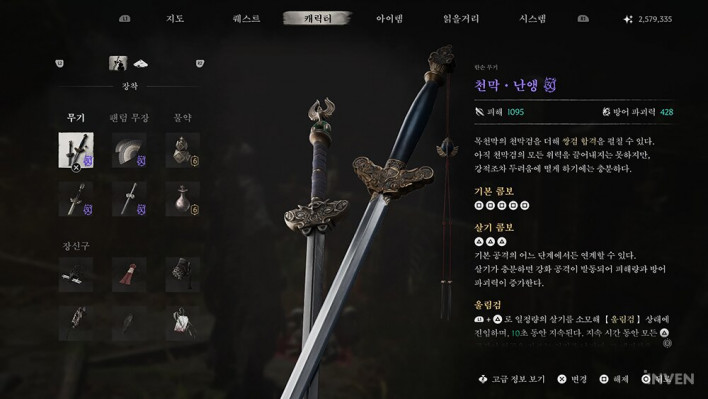
What stands out is the control scheme. Despite weapons having vastly different mechanics and skill applications, base inputs remain virtually identical. Basic attacks, Sha-Chi attacks, ultimates, and special buffs all utilize standardized button inputs. The only real variance lies in how advanced Sha-Chi combos prompt button sequences—and with few buttons involved, learning them is straightforward.
Inputs are kept simple while generating varied outputs and combinations. Pressing Square and Triangle, or L1 and Triangle, yields completely different effects depending on the weapon. How you weave these effects into combos varies by weapon, but executing the inputs themselves remains effortless.
Ultimately, tactical focus shifts to decision-making: deciding which weapon suits a given situation, which weapon counters a specific boss, and which skills and combos best complement your personal playstyle.
Understanding combo mechanics to achieve optimal results can be complex depending on the weapon, but execution remains accessible. While mastering combos requires reading tooltips and considering attack chains, physical controller execution remains clean and simple.
One drawback is the inability to rebind certain inputs. Due to the combat's nature, the defense button is used frequently, but its overlap with Sha-Chi attack triggers caused frequent accidental inputs. Attempting to rebind this specific action proved impossible, as the keybind was locked for unknown reasons.
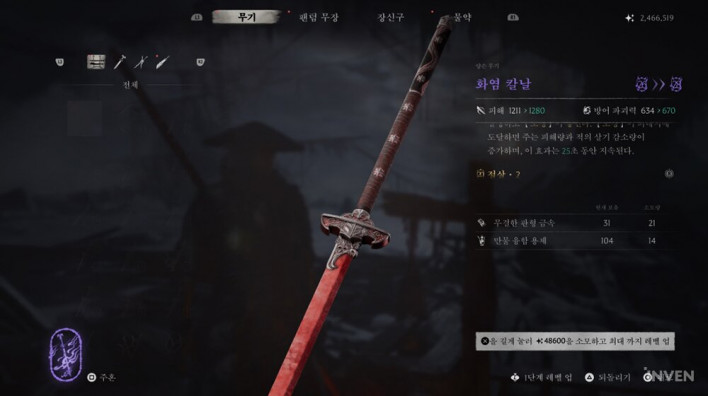
Experimenting with weapons carries zero friction. Resetting weapon investments is simple, allowing players to try new gear freely and refund points if a weapon proves unsatisfactory. If a specific tactic comes to mind during a boss fight, you can simply upgrade a suitable weapon and test it immediately.
As universal currency becomes abundant in the late game, upgrade and reset costs feel negligible. This freedom encourages extensive weapon experimentation, continuously refreshing combat with distinct experiences.
Upon clearing the game, the desire to start a New Game run immediately to test newly acquired weapons was compelling, as each weapon alters gameplay dramatically. Were it not for writing this review, jumping straight back in would have been an easy choice.
Engaging exploration despite non-open-world design Maps that expand and evolve with story progression
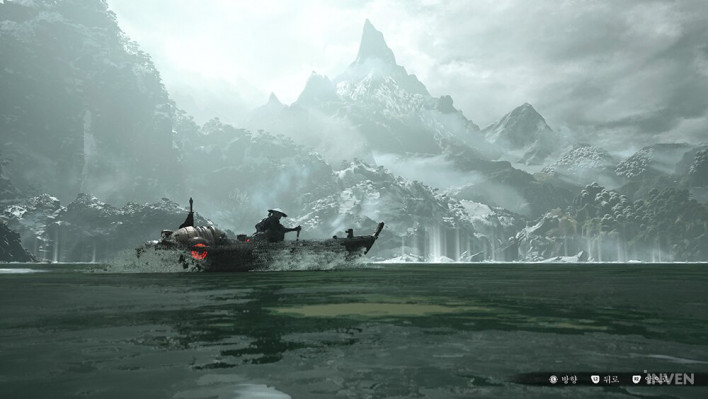
Exploration and map design in Phantom Blade Zero are linear, yet offer players surprising agency. Following main quests naturally reveals opportunities to backtrack to previously blocked areas, unlocking new secrets within familiar zones.
This structure remains fundamentally linear. Restricted zones open only after acquiring specific Phantom Edges through main story progression. Lacking open-world freedom, unrestricted travel regardless of story progress is impossible.
What stands out is how maps dynamically evolve alongside story events. Beyond unlocking barriers with Phantom Edges, regional elements transform over time. Narrative events closely tie into environmental changes—friendly NPCs can turn hostile, and hidden sections of early zones open during the late game as the plot unfolds.
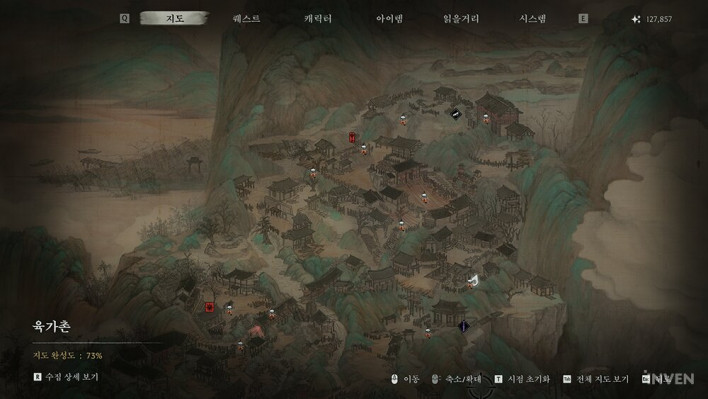
Individual region maps unlocked per chapter are not vast, remaining manageable in size so fast travel back and forth never feels tedious. Yet regions feel expansive due to efficient map utilization.
As mentioned, narrative beats alter existing zones and reveal hidden areas, compelling players to revisit and re-explore familiar environments.
This keeps revisited locations feeling fresh. Backtracking feels like a natural extension of the story rather than forced repetition, mitigating tedium.
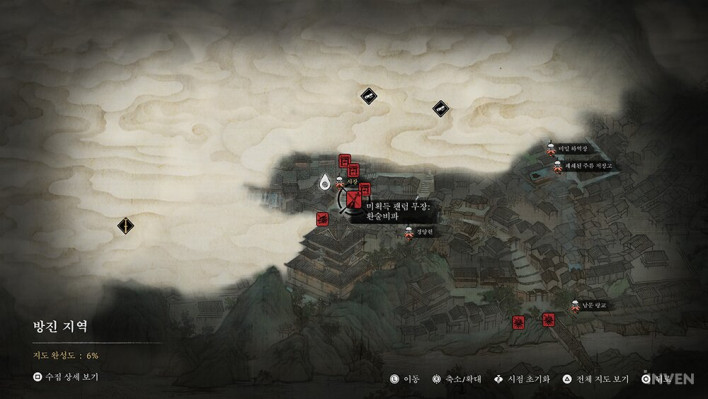
Navigating these maps, however, can prove tricky. Linear design dictates clear intended paths, but abundant collectibles scatter off main routes, requiring significant time spent searching side paths.
Finding routes is not always straightforward. Without a minimap or compass, and with world maps lacking detailed navigation markers, getting lost is common—especially in multi-tiered cave and underground networks. Seeing a visible collectible directly ahead without finding a viable path to reach it occurred frequently.
Before reaching the ending, retracing steps through certain regions multiple times to pick up missing items still left a few collectibles unreachable, with no obvious path across gaps or ledges.
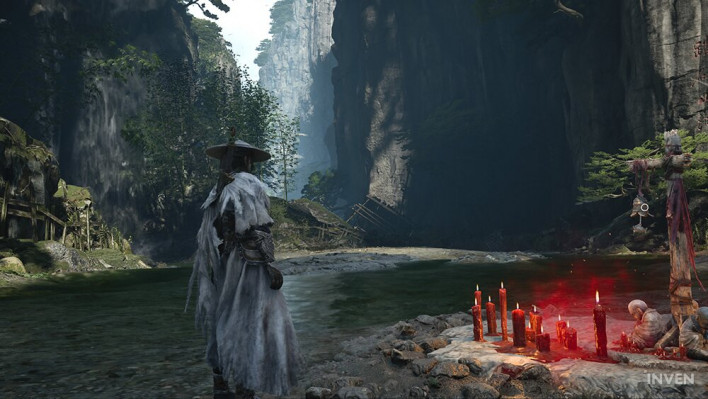
While likely necessary for map boundary design, this introduces narrative dissonance. Protagonist Soul is established as a master martial artist in Wulin, yet jumping off low ledges results in instant death. Dropping into water shallower than his height also causes instant death.
Any movement outside prescribed pathways results in ruthless fall deaths. If a red attack parry triggers a cinematic counter movement that carries Soul off a cliff, or if enemy knockback pushes him off a ledge into instant death, it's hard not to exclaim, "How does a master martial artist die like this?"
Soul is a supreme warrior, making absurd fall deaths feel jarring—especially when designated parkour spots show him effortlessly sliding down cliff faces with his sword embedded in stone.
This isn't a fatal system flaw, but experiencing mundane deaths after being immersed in Soul's martial mastery creates cognitive dissonance that momentarily breaks immersion.
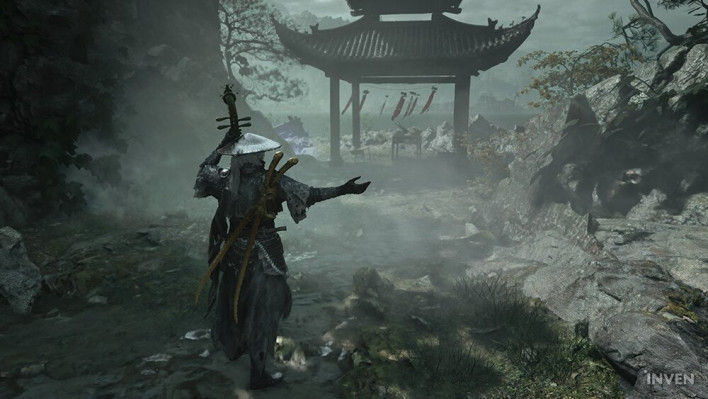
A divisive narrative structure A wuxia tale lacking distinct narrative pull
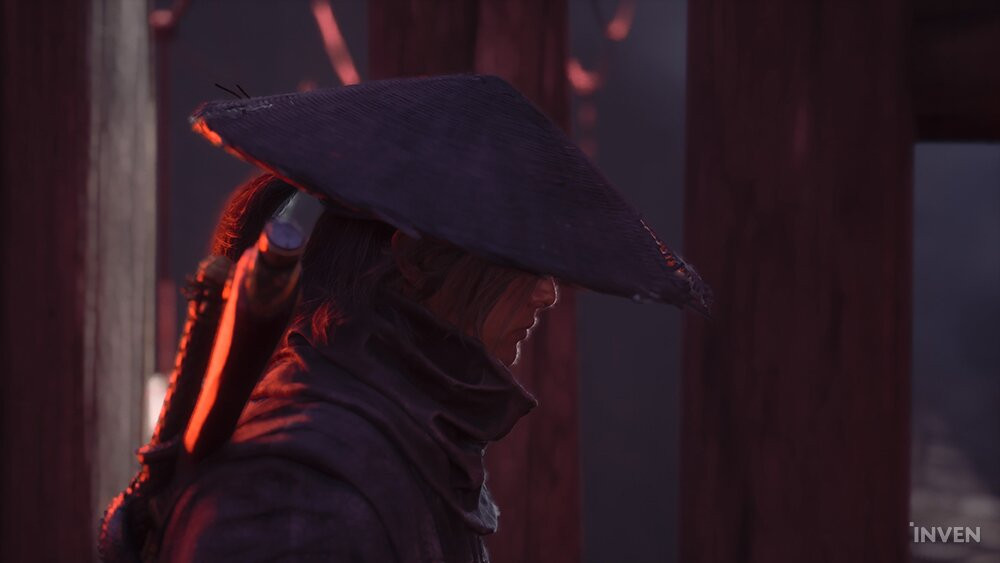
The narrative of Phantom Blade Zero feels like a traditional wuxia novel brought directly to life. Rather than a figure of speech, it literally reads like a martial arts novel transposed into a video game—and this storytelling approach may prove to be the game's most polarizing element.
The plot lacks novelty, smooth pacing, and compelling hooks. While it twists classic tropes—a betrayed martial master seeking revenge—with cybernetic Sha-Chi modifications, puppets, and cultish religious sects, these elements struggle to synthesize into a cohesive narrative.
While the overarching plot revolves around revenge and complications from Sha-Chi modifications leading to a grand conspiracy, individual story arcs unfold in isolation. Consequently, the main villain's motivations feel unconvincing, making emotional investment difficult.
Furthermore, narrative delivery is heavily fragmented. Story details are split across cutscenes, dialogue, lore collectibles, and loading screens, forcing players to piece together numerous fragments to grasp the plot. While piecemeal storytelling can encourage speculation, the weak core narrative causes these fragments to feel disjointed rather than intriguing.
Despite featuring varied art styles in visual cutscenes, reliance on lengthy cinematics leaves less room to deliver narrative depth.
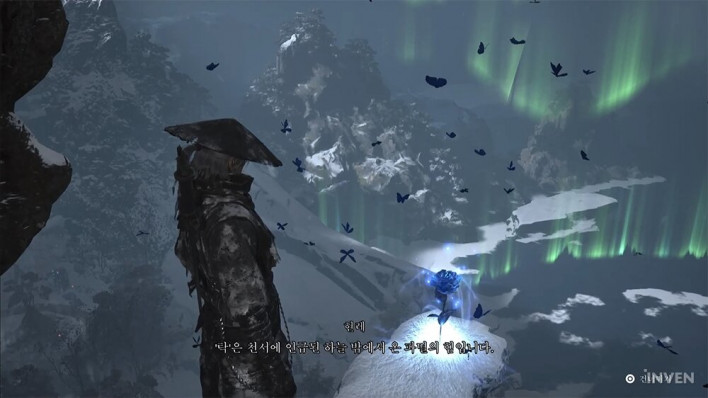
Compounding these issues is heavy terminology and jargon that hinders clear narrative comprehension.
Having read extensive wuxia novels and watched plenty of 2000s kung fu cinema, I felt well-versed in genre terminology—other wuxia titles never posed world-building comprehension hurdles.
However, Phantom Blade Zero introduces a dense layer of universe-specific proper nouns beyond standard genre tropes, where comprehension issues arise.
In the preview review build, subtitle line wrapping and font readability were poor. The stylized brush font aside, text blended poorly against backgrounds while displaying large blocks of text at once.
Readability issues were exacerbated by dense original terms and obscure Hanzi vocabulary that warranted footnotes. Unfortunately, in-game glossaries offer little clarification, focusing primarily on collectible lists and enemy codices rather than world-building context.
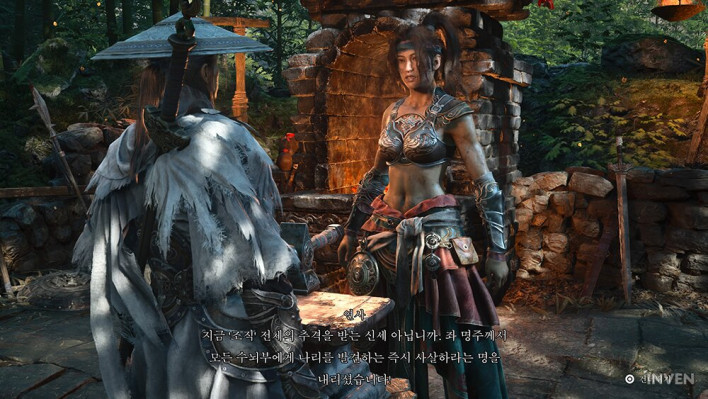
Grasping background context required paying close attention to temporary loading screen text, where key lore definitions and situational explanations appeared. Consolidating these snippets into an accessible codex would have significantly aided immersion.
The overarching narrative isn't overly convoluted, so the general plot remains readable. Readers familiar with wuxia tropes will eventually adapt to the terminology, though narrative engagement remains modest.
Localization posed the biggest grievance in the review build. As localization was unfinished, mistranslations, inconsistent terminology, missing characters, and typos were rampant—with some sentences rendered utterly incomprehensible.
S-Game noted that localization polish would be patched before launch, and updates during the review period indeed addressed numerous text errors.
Early comprehension difficulties stemmed partly from translation flaws; post-patch updates standardized proper nouns and resolved erratic terminology.
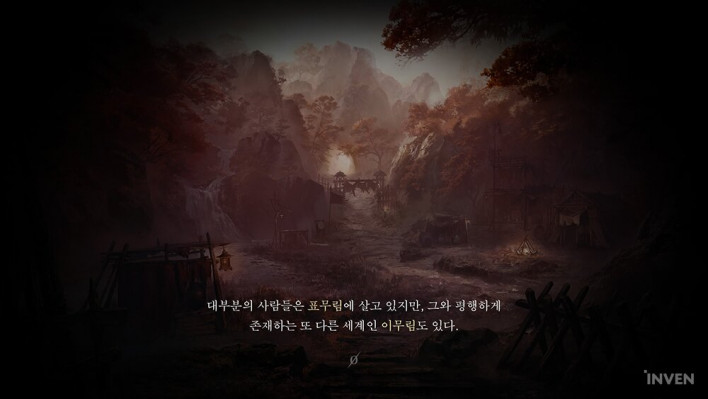
Side stories more compelling than the main campaign Memorable bosses and tragic side quests
Unlike the straightforward main story, side quest progression follows an unusual format. Quests are not simply accepted and turned in; instead, NPCs, interactive objects, and readable lore documents serve as clues driving side narratives.
Finding quest givers requires legwork. NPCs lack quest markers, necessitating dialogue with every character encountered—some of whom only offer quests after multiple conversations.
These side quests unfold across interconnected regions rather than resolving in isolated instances, fostering stronger emotional engagement than the main questline. They effectively illustrate how sudden tragedy reshapes the lives of inhabitants across Wulin.
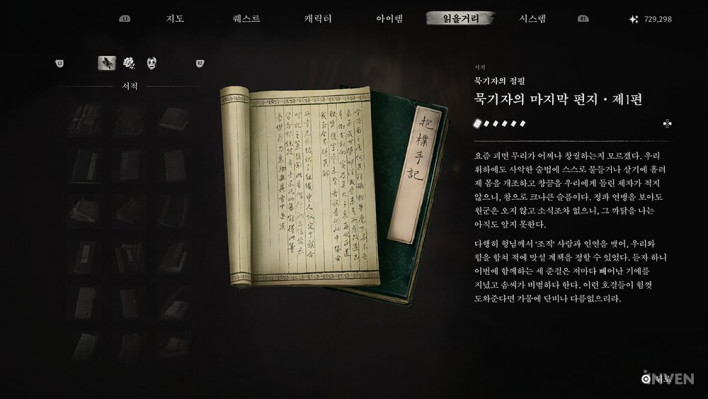
While side quests flesh out long-term world-building, collectibles like Blue Flowers and readable lore documents offer concise narrative context. Blue Flowers convey past conversations, while readable items feature short written logs elaborating on background events.
Relying heavily on collectibles for core context remains a double-edged sword. While cutscenes outline main plot beats, understanding character backstories and hidden motives requires reading collectibles, making lore gathering feel essential rather than optional.
While the broader narrative arc and tropes feel familiar, Phantom Blade Zero maintains solid wuxia pacing while bringing individual characters to life—particularly its boss lineup.
As the protagonist walking a righteous path, Soul naturally commands investment. Supporting figures and antagonists like Zuo Shang, Mu Xiaokui, the Kunlun Trio, and the Ghost Slasher feature distinct motivations that flesh out the cast.
Yet the bosses leave the strongest impression. Major boss encounters blend tragic background lore with dramatic combat staging, creating memorable encounters.
Collecting Blue Flowers near key boss encounters unlocks hidden backstories, quietly detailing why these adversaries oppose Soul, how tragedy befell them, and why their downfall became inevitable.
When a boss falls, the synthesis of combat and lore delivers a poignant emotional impact, leaving a deeper impression than main story dialogues.
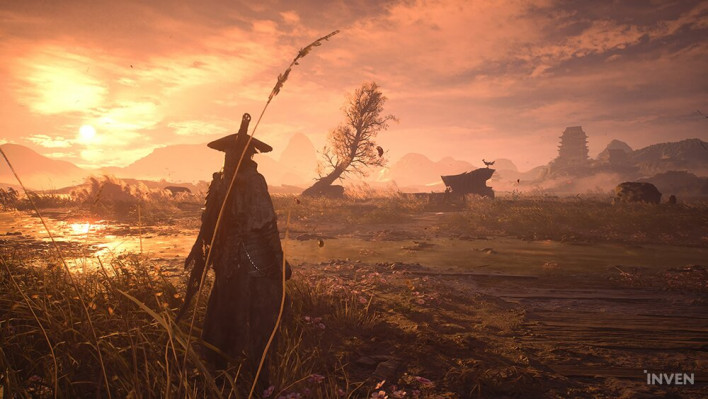
Environmental variety matches boss diversity. Settings range from traditional mountain ranges and crimson forests to eerie villages where inhabitants turned into puppets, rain-drenched cities, expansive lakes navigated by boat, and snow-capped peaks.
Traveling across regions shifts the tone dynamically—transitioning from tense horror-inspired segments in puppet towns to serene, ethereal atmosphere amidst snowy trails.
On PS5, enabling Quality Mode in rain-heavy regions caused severe frame drops that rendered play impossible. Performance Mode maintained smooth framerates across all regions without stutter.
The moment the final blow landed and the credits rolled, my first thought was simply: "That was genuinely amazing." It is a shame spoiler restrictions prevent detailing the final boss encounter, as it was extraordinary.
Having enjoyed every boss encounter leading up to the climax, anticipation mixed with concern over whether the final fight could live up to expectations.
Those worries proved unfounded. The final boss delivered on every front—scale, soundtrack, visuals, and choreography.
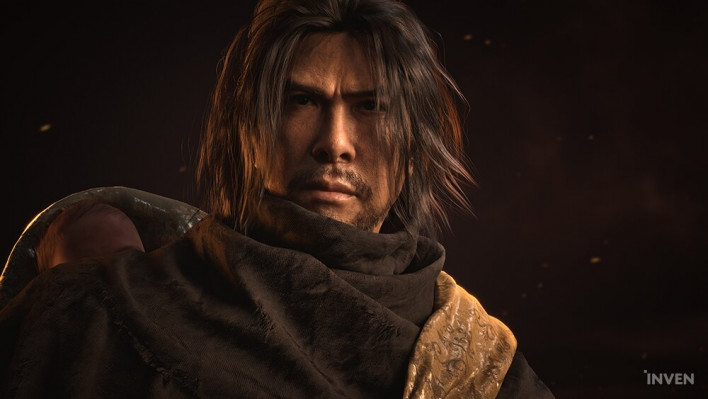
The action in Phantom Blade Zero is unmistakably stylish. While secondary systems trail behind the combat in polish, engaging in combat renders those shortcomings secondary. Delivering clean visual clarity alongside flashy action within a continuous combat rhythm is a remarkable achievement.
The distinct design of every weapon in the arsenal is equally impressive. Weapons do not merely swap animations or tweak stats; each offers a fundamentally unique combat loop that feels distinct at your fingertips.
Combat is where Phantom Blade Zero truly shines. With flashy kung fu action and a stellar soundtrack, it delivers non-stop thrills through to the end credits. Executing seamless cinematic moves with simple inputs lets players step fully into the shoes of a wuxia legend.
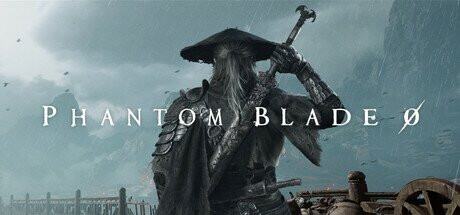
- Combat that flows seamlessly into complete immersion
- Powerful hit feedback elevated by audio and haptic response
- Excellent visual clarity maintained amidst flashy action
- Distinctive boss designs without repetitive re-use
- Completely unique combat experiences per weapon
- Fragmented narrative pacing with weak plot cohesion
- Lack of explanation for game-specific proper nouns
- Certain controls cannot be rebound
Reviewed platform: PS5 (Review Build)