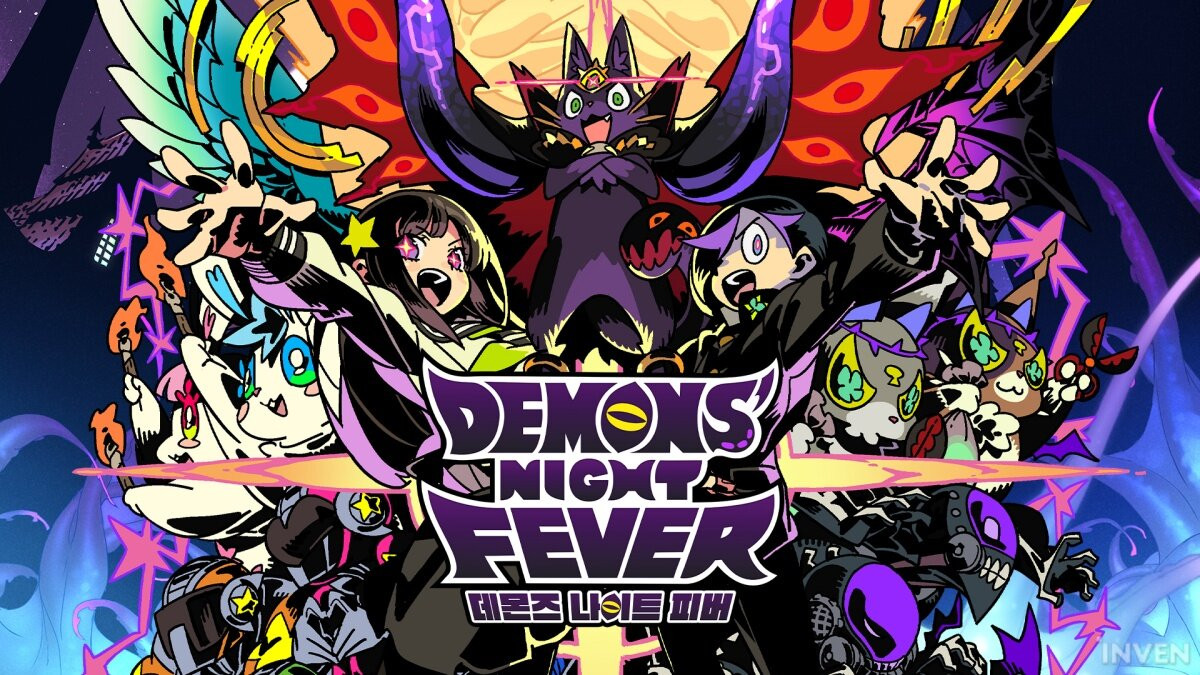
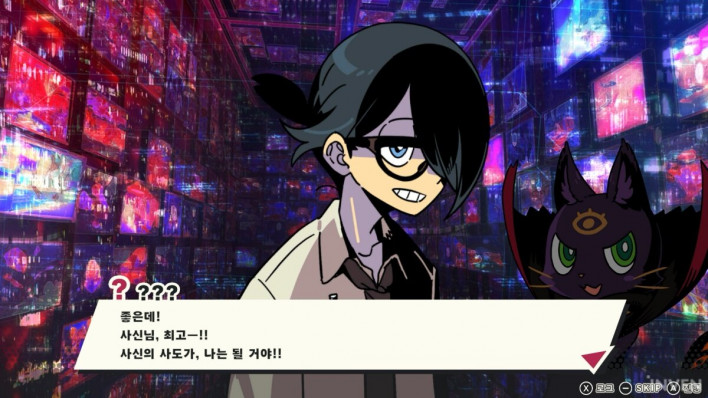
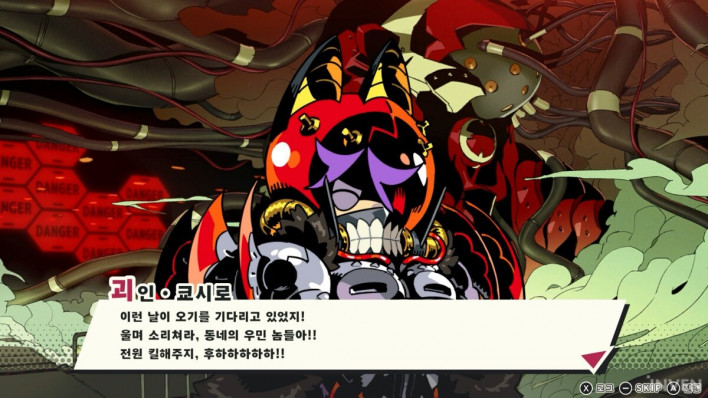
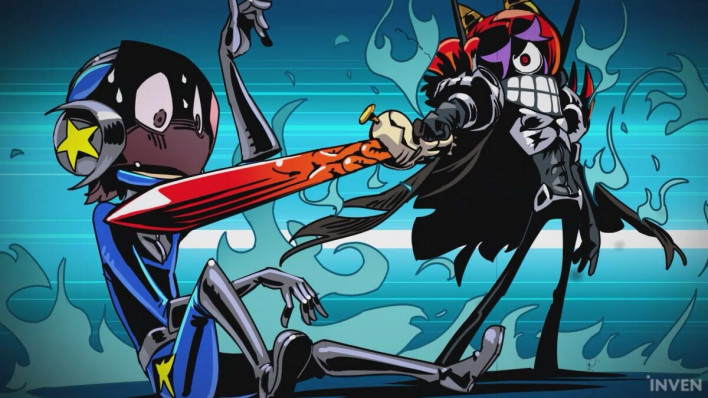
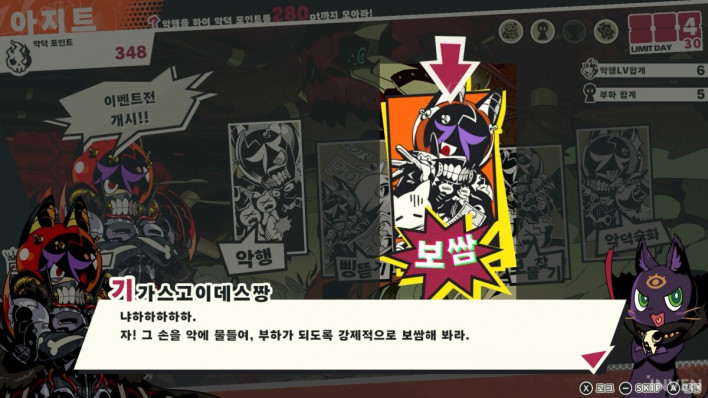
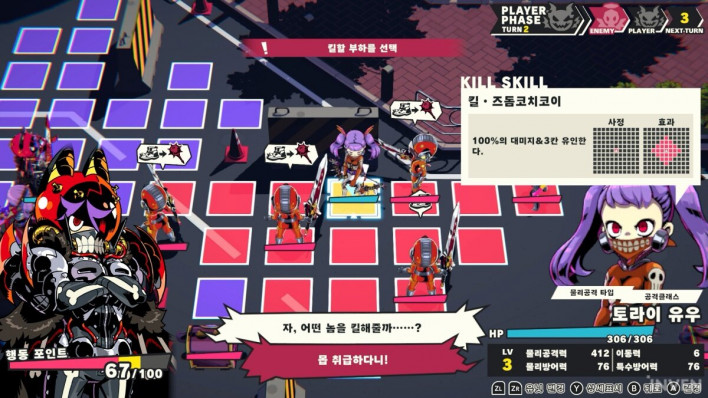
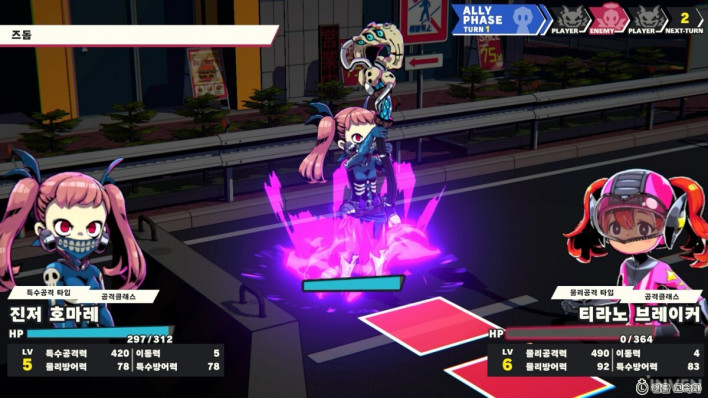
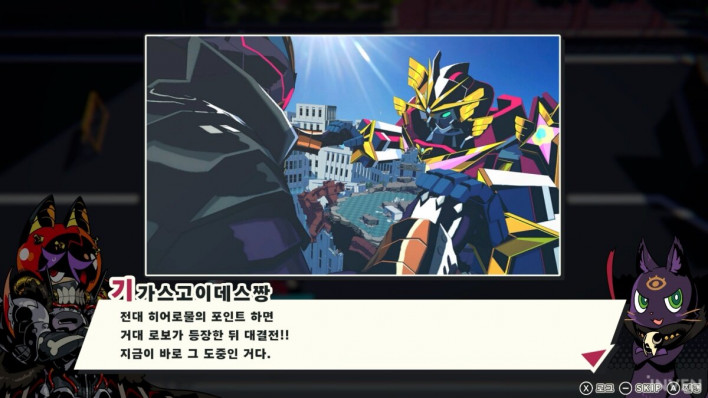
In SRPGs, losing as few allies as possible is generally considered standard play. DEMONS' NIGHT FEVER directly defies this convention. It is a dark comedy SRPG where you side with evil, detonate your minions, and cut down allies and enemies alike to stand alone as the strongest survivor. By adding a system where players must clear stages within a limited timeframe, it also redraws the direction of endless character progression in a fresh way.
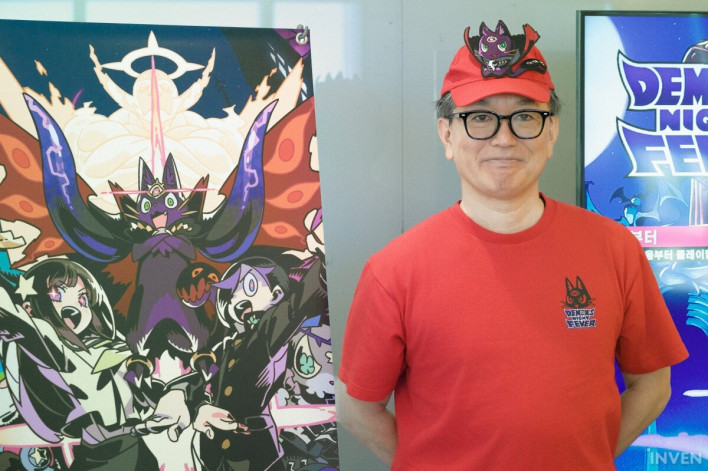
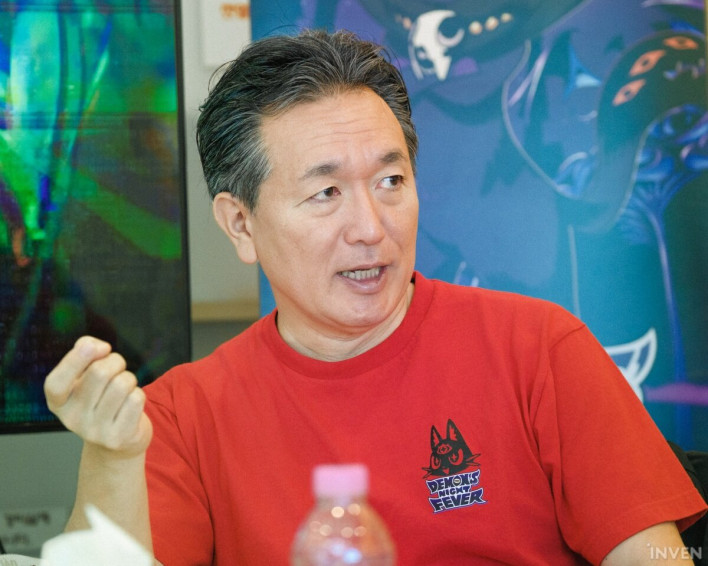
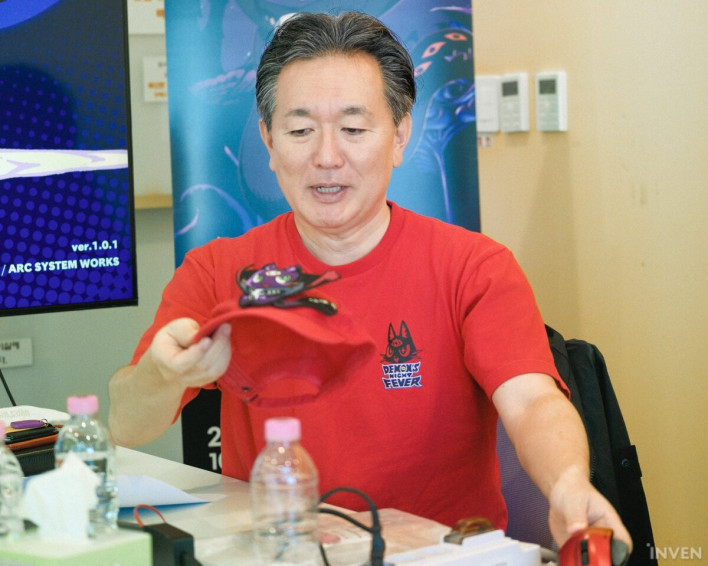
Producer Sohei Niikawa confidently claims that players won't be able to help saying, "I've never played anything like this." DEMONS' NIGHT FEVER is the second title from SuperNiche, the studio he established after leaving Nippon Ichi Software, where he brought series such as Disgaea to life. Ahead of its upcoming launch on PC, PS5, and Nintendo Switch on the 22nd, we met with him in person.
From the background behind his decision to go independent to the differences with Disgaea, the mechanics designed to alleviate player guilt, and late-stage development adjustments—we spoke with Producer Niikawa to examine the thought process behind this game's unconventional design.
Independence and Creator First
Leaving Nippon Ichi after 26 years to found SuperNiche
The interview opened with an introduction of this title being SuperNiche's second game. We asked him why he chose independence after spending 26 years at Nippon Ichi Software, and what "Creator First," the policy he set for his new company, truly means. An anecdote about people around him worrying whether he had been fired or gotten into a fight when he left also came up during this topic.
To start off, could you briefly introduce yourself?
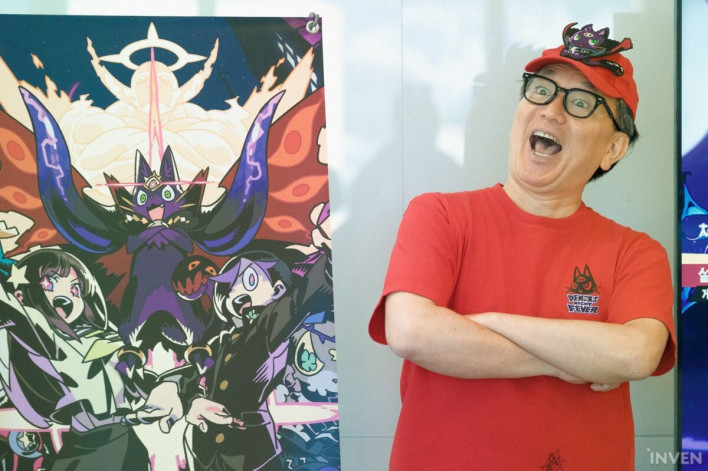
"Today, I would like to introduce DEMONS' NIGHT FEVER to everyone. After leaving Nippon Ichi Software four years ago, I actually spent my first year working as a novelist. One of the titles prepared during that period was Etrange Overlord, which released in March. That was game number one from SuperNiche, the company I founded, and DEMONS' NIGHT FEVER is our second.
I feel it's about time we produce a hit. I hope this game gets widely known in Korea as well, and I ask for your support in making it a true hit.
What was the decisive moment that led you to leave Nippon Ichi after 26 years and establish SuperNiche?
"I worked at Nippon Ichi Software for 26 years. I joined right after graduating university as one of the very first batch of new recruits. Over that time, I made various titles including Disgaea, and I served as president for 13 of those years. Since it was a publicly traded company, it was a position with heavy responsibility, but I made up my mind to leave when I turned 49. When I quit, quite a few people worried whether I had been fired or gotten into a fight with someone (laughs).
In reality, when I turned 49, I thought about the rest of my life. Should I continue as president of Nippon Ichi Software? I originally loved creating things and working on the front lines. In my last five years or so as president, I tried to stay as far away from hands-on work as possible, but I had doubts about continuing as president. So I decided to go independent, thinking that before I turned 50, I wanted to start over from scratch and spend the rest of my life making not just games, but other forms of entertainment as well.
Does SuperNiche's "Creator First" management philosophy reflect the practical realities you experienced during your time as president of Nippon Ichi?
"The "Creator First" mindset comes from the fact that I am a creator myself, and I strongly believe that a game company or entertainment company only exists because of the works created by creators.
This isn't unique to Nippon Ichi Software, but I believe there are quite a few companies where executives or higher-ups have never actually made a game or don't really care about games. I had serious doubts about whether such executives or bosses could truly understand creators and build products together with them.
As a producer, I believe my job is to bring out the absolute best in creators. That's why I made "Creator First" the guiding principle of my new company—something I wanted to realize back when I was president of Nippon Ichi Software, but couldn't fully accomplish.
From Differences with Disgaea to Mechanics Designed to Alleviate Guilt
DEMONS' NIGHT FEVER is an SRPG like his previous landmark series Disgaea, featuring a similar dark comedy and fantasy tone. While they might appear similar at first glance, CEO Niikawa explained that it is distinctly a different game. The starting point was asking what situation one would be in if they were truly on the side of evil.
The development team shared the concern that designing a system around sacrificing allies could induce guilt in players. We followed up by asking about the mechanics built to ease this guilt and how they calibrated the severity of crime when making minions criminals.
How does the concept of "relishing evil" differ from Disgaea's direction of "good-natured villains playing bad"?
"First, as a premise, I consider DEMONS' NIGHT FEVER and Disgaea to be distinctly different games.
One of my principles is that whenever I create something, I must make something that doesn't exist anywhere else. Disgaea is a game that already exists in the world, so making something similar wouldn't be meaningful.
If I had to list the genres of my lifework, they would be fantasy, dark comedy, and horror. While both Disgaea and DEMONS' NIGHT FEVER share the dark comedy element, their concepts were designed to be clearly distinct. The main concept of DEMONS' NIGHT FEVER is 'relishing evil.'
Disgaea has many eccentric systems, but it firmly holds onto the fundamentals of an SRPG. The core fun of an SRPG comes from gathering allies, raising them, and wiping out the enemy without losing a single member.
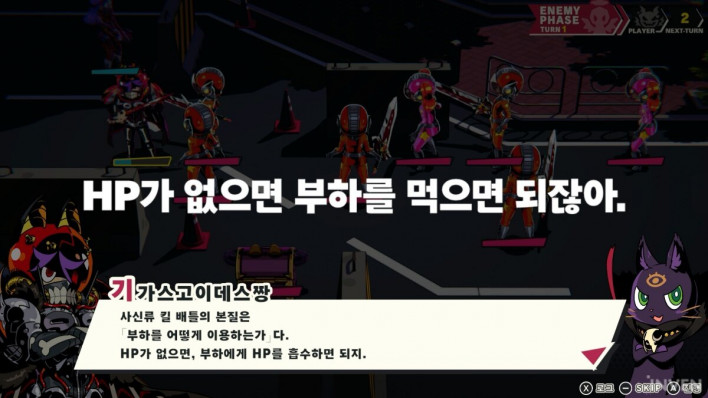
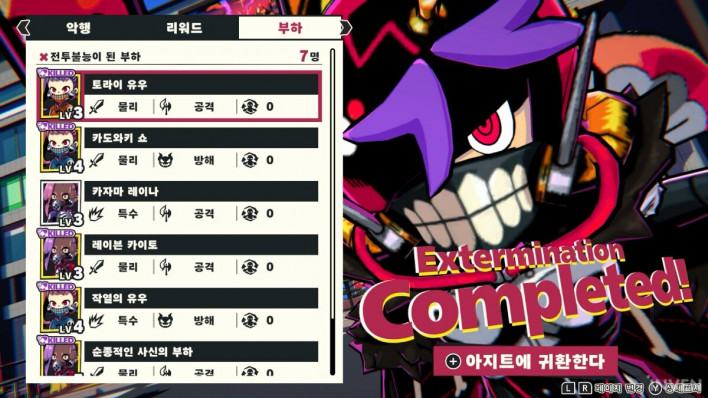
This time, since the concept is 'relishing evil,' I started by imagining what situation I would be in if I were truly on the side of evil. Because you are evil, you have no comrades. You only have disposable minions. Instead of raising comrades, you fight by sacrificing them. In a standard SRPG, clearing the map without any ally deaths is the ideal way to battle. But this time, sacrificing as many allies as possible to annihilate the enemy, leaving only the player character on the map at the end, is the absolute best way to fight.
I believe we've created a new SRPG that flips the conventions of all existing SRPGs on their head, not just Disgaea.
What was the reason behind designing the game to actively encourage sacrificing allies?
"The answer is basically the same. However, we developed the game with a conscious effort to emphasize the act of sacrificing allies. Since having only one way to sacrifice them would be boring, we prepared a variety of sacrifice methods.
Directly sacrificing your own minions is a defining feature. What mechanics did you focus on most to ensure players feel enjoyment rather than guilt?
"Since the theme revolves around fighting as an evil force, we were concerned during development that players might feel guilty. So we put several measures in place.
The first is the game mechanics. Even if you sacrifice an ally, we built a structure where they reincarnate and return even stronger. In short, sacrificing them directly leads to character growth. However, we felt that alone wasn't enough to alleviate guilt.
So we made God, the opposing force, an extremely unpleasant character. God in this game is a total scumbag. We crafted the story so players would feel, 'I absolutely have to beat this guy.' God is voiced by Nobuyuki Hiyama, a voice actor you've likely heard in various anime or games if you're familiar with Japanese media. This time, he played a truly annoying role (laughs).
Even so, thinking guilt might linger, we prepared one more countermeasure. The third measure is that every single minion in the game is a criminal or bad person. The setting has you taking people who litter cigarette butts, run red lights, or shoplift from convenience stores as minions and sacrificing them.
They appear as minions who make you think, 'Well, a guy like that...' By layering these measures, we tried to lessen the burden of guilt.
You mentioned setting all minions as criminals, but if the nature of their crimes is too severe, it could cause aversion instead. How did you calibrate the severity?
"We gave that a lot of thought as well. Even when dealing with 'evil,' opinions and perceptions among the developers differed on how far was acceptable, so aligning everyone's perspectives took time until near the end of development.
Earlier, I mentioned that dark comedy is one of my lifeworks, and the origin of that sense of balance is Dr. Slump. I really love the lovable villains created by Akira Toriyama. I adjusted the balance by keeping Dr. Slump in mind. Thanks to that, we were able to avoid veering into excessive violence, malice, or heinous crimes.
Progression Speedrunning and Time Limits
Growing Stronger Through Repeated Game Overs and Late-Development Tuning
Moving on to systems, we revisited the differences with Disgaea. In this game, the premise of resurrecting the Devil, who acts as the main character, as quickly as possible serves directly as the core game rule. This rule connects directly to game overs, aligning the narrative with the overarching gameplay system.
In the latter half of the interview, we asked about the aspects he poured the most effort into during the final stages of development and what he wanted to highlight most. CEO Niikawa reflected that because they attempted things no other SRPG had done, fine-tuning required immense care.
You have developed the Disgaea series for a long time. Disgaea is well known for its signature elements, including endless character progression systems. I'm curious if DEMONS' NIGHT FEVER features similar long-term growth or deep endgame elements, and how its design differs from Disgaea.
"From a systems perspective, it's also very different from Disgaea. I see Disgaea's defining systemic traits as what the Japanese call 'yarikomi' (deep endgame depth) and stat inflation. It's a game designed for long, deep single playthroughs where you see how long you can play and how high you can inflate character stats and damage.
On the other hand, DEMONS' NIGHT FEVER has the objective of resurrecting the Devil, so you need to revive him quickly. How fast you can clear stages within the set deadline to move on to the next phase is crucial. If you train characters at a relaxed pace, time will run out and lead to a game over.
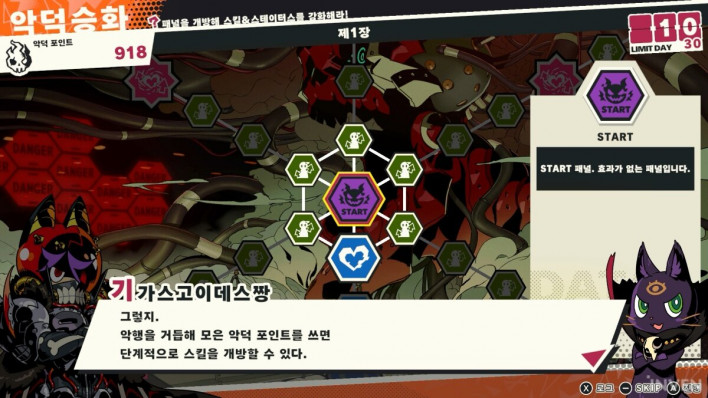
That's why we prepared various strategic approaches. Beyond simply leveling up characters, you can steal items, enter randomized dungeons, or kidnap minions. There's also a skill board similar to the Sphere Grid. How you combine these strategy options to grow rapidly and clear stages quickly is key.
With development nearing its final stages, what area did you fine-tune the most leading up to release? Also, what aspect did you most want to show through this game?
"Because we aimed for a simultaneous worldwide release, the Japanese version itself was completed fairly early.
The area we worked on the most was ensuring that a game setting out to shatter SRPG conventions could actually succeed as a fun experience, as I explained earlier. We paid special attention to whether it functions properly as a strategy game, including the mechanic where minions move independently. Since we were doing things other games don't do, fine-tuning required a huge amount of effort.
What I want to highlight most ties directly to that. I believe we've produced a game unlike anything else out there. We succeeded in creating a new SRPG that completely breaks traditional SRPG norms. Personally, I love Fire Emblem, but for fans who love classic, traditional SRPGs like Fire Emblem, this will be quite a shocking game. Some might even get angry (laughs).
I believe we've introduced a brand-new system to SRPG history, and perhaps left a genuine mark on the genre's legacy. On top of that, Arc System Works set a very affordable price point, so I hope gamers play it feeling like they are living witnesses to history.
Managing Unruly Minions and the Intent Behind the Reincarnation System
In this game, minions do not move according to the player's direct command. When asked whether this concept can function as a proper strategy game, CEO Niikawa revealed that it was heavily debated during development. Questions followed regarding whether the reincarnation system might be surprisingly forgiving for a game advocating evil, and what happens to the minions once the Devil is resurrected. The latter prompted a detailed explanation of the game's world-building setup.
I understand that minions act automatically, but players will naturally want them to move as intended. How did you implement this? Are there mechanics to handle situations when minions act up and disobey your intentions?
"That topic was heavily discussed as well. Minions aren't allies, so they won't listen to you. That's why they act independently, but if left entirely alone, it fails as a strategy RPG. So we brainstormed how to keep minions under player control and make the tactical gameplay work.
One method that results in the harshest playstyle is Teleport, which forcibly swaps your position with a minion's. For example, suppose enemies are clustered over here, and an unruly minion is over there. First, the player moves right into the enemy cluster. Since the game uses an action point system, you can act repeatedly as long as points remain. Swapping positions with the minion via Teleport puts the minion right in the middle of the enemy group. Using the 'Kill' command detonates the minion. If the minion's Kill skill is powerful, surrounding enemies die, and the minion dies as well—that is how control over minions is asserted.
Another option is Summon. If a minion is defeated by an enemy, they can no longer reincarnate and disappear forever. For instance, if you have a minion that has reincarnated 10 times, that proves you've carefully raised them. But if that minion wanders off recklessly and unluckily dies to an attack, you lose them permanently. In that situation, you treat the minion—whose explosive power has grown massive—as a human bomb. You summon them right into a cluster of enemies and trigger Kill. That minion exists solely to be detonated as a human bomb.
You can think of combat as managing and exerting control over these unruly minions through these methods.
When I first heard about the reincarnation system, it struck me as surprisingly forgiving for a game centered on playing as evil. I'd love to hear more about the design intent behind it.
"Without a reincarnation system, the character progression elements would be severely diminished, so we designed it under the premise that reincarnation was mandatory. However, pointing out that it feels generous to the player is completely valid.
The player is the Devil's disciple, and I don't think it's wrong for the Devil to be lenient toward his own disciple. But it isn't gentle to the minions at all. They die, reincarnate, and die again repeatedly. They don't reincarnate because they want to; they are forced to reincarnate just to be killed again, which is brutally harsh from the minions' perspective. In that sense, I'd say this aspect is quite villainous as well.
It was known early on that you were co-developing with Drecom, and since Drecom specializes in mobile games, many expected limited platform releases. Yet you are expanding multiplatform right from the start. Was that planned from the beginning? Also, what happens to the minions once the Devil is resurrected?
"Regarding multiplatform, we planned for multiplatform support and a worldwide simultaneous release from the very start.
As for what happens to the minions when the Devil revives: DEMONS' NIGHT FEVER is actually a program created by the Devil to resurrect himself. You can think of it as a game-style resurrection program that the Devil coded himself in case of emergency.
This ties back to the guilt topic mentioned earlier: the villains summoned into this game—the minions—are summoned as souls in a nightmare-like state. While they are sacrificed repeatedly as explained, each time they reincarnate and die, it feels like experiencing a nightmare to them. You aren't physically killing or tormenting their real-world selves; you are giving them a nightmare. So once the Devil is resurrected, the minions are released from the program and return to their ordinary lives.
That said, after having terrible dreams of being killed over and over again, I like to think those villainous minions might self-reflect just a little bit.
Recruiting Yuji Himukai and Main Characters Changing Each Chapter
Turning to behind-the-scenes topics, Yuji Himukai, the illustrator renowned for Etrian Odyssey, handled character design. When asked about the background behind this collaboration, CEO Niikawa explained that after establishing the core concept, choosing the designer was his top priority. He also shared with a laugh an anecdote about being told he "tricked" Himukai during the recruitment process, demonstrating the effort put into bringing the concept to life.
Yuji Himukai is in charge of character design. How did you come to select him?
"When creating a game, I always start with the concept, so who designs the characters is extremely important to me. The very first person I thought of was the character designer for the Disgaea series. However, he belongs to Nippon Ichi Software, so I'd probably be killed if I reached out to him (laughs).
So when looking elsewhere, the first person who came to mind was Yuji Himukai. He is famous as the character designer for the Etrian Odyssey series, and I always found his character designs truly charming. In particular, I felt his designs for nameless class characters were exceptional. Most of the characters to be drawn for this game are disposable minions used like pawns. Even so, I wanted players to feel fun emotions while sacrificing those characters. I wanted visuals that were cool and enjoyable to look at even though they were disposable, which is why Himukai came to mind.
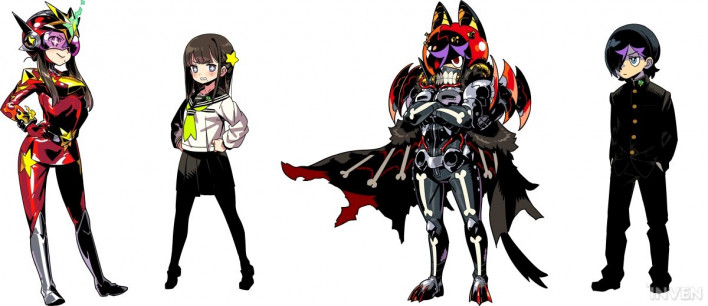
However, as a popular designer, he was involved in major projects like Metaphor: ReFantazio at the time and was immensely busy. Still, I desperately wanted him on board, so I asked him to take it on even if it meant working slowly over a long period. I also told him the roster of main characters was very small—just Giga Super Death, Killshiro, Mary, and God.
However, once development actually got underway, the design specs shifted so that those main characters changed appearance with every chapter. Later on, Himukai told me I had tricked him. Even so, he ultimately delivered fantastic designs, and I am deeply grateful.
This is your first time working with Arc System Works. How was the experience?
"I felt they were a company that checks everything extremely thoroughly. Some of the writing I produce can be a bit crude or sensitive, but they pointed out those aspects with precision.
I also attended overseas events with them and felt they are a company with incredibly passionate fans. It was an event in the US, and the presenter right before me was Guilty Gear producer Ken Miyauchi. When the Guilty Gear producer presented in front of hundreds of people, the crowd naturally got fired up. I was up next, and I was worried everyone might just walk out. But nobody left. When I shared stories like the ones I told today, the fans showed immense interest.
In that regard, I felt Arc System Works is a developer with wonderful fans who love not just fighting games, but the medium of video games as a whole.
Finally, do you have a message for Korean fans and players waiting for this game?
"As mentioned earlier, this game is the second title from SuperNiche, which I founded. SuperNiche and Drecom handled development, and Arc System Works joined as publisher.
Initially, we planned to proceed with just Drecom and ourselves. Drecom has strong development capabilities and is a publicly traded company in Japan, but until now they had only released mobile app games. So discussions arose that we needed a partner to distribute globally. Arc System Works President Minoru Kidooka has been a drinking buddy of mine for a long time. Whenever the two of us drank together, I almost always heard him complain about not having enough titles. Then one day, I showed him what we were making, and Arc System Works agreed to publish it. To me, Arc System Works is like a benefactor.
When people think of Arc System Works, they naturally think of the fighting game Arc System Works. That's fantastic in its own right, but I felt my mission was to show gamers worldwide that they aren't a company limited to fighting games. Conveniently, Qliphah in Providence's Shadow is also releasing around the same period, so we worked hard on this game hoping it helps establish Arc System Works globally not just for fighting games, but for RPGs and strategy RPGs as well.
I am confident this game will have people saying, 'I've never played anything like this before.' If you take pride in being a gamer, I strongly encourage you to pick it up and give it a try. As mentioned earlier, Arc System Works set a very affordable price, so I would be grateful if you join us in this historic moment of shattering SRPG conventions.
This article was originally written in Korean and translated with the help of AI. It was then edited by a native English-speaking editor. All AI-assisted translations are reviewed and refined by our newsroom.
[Read Original]