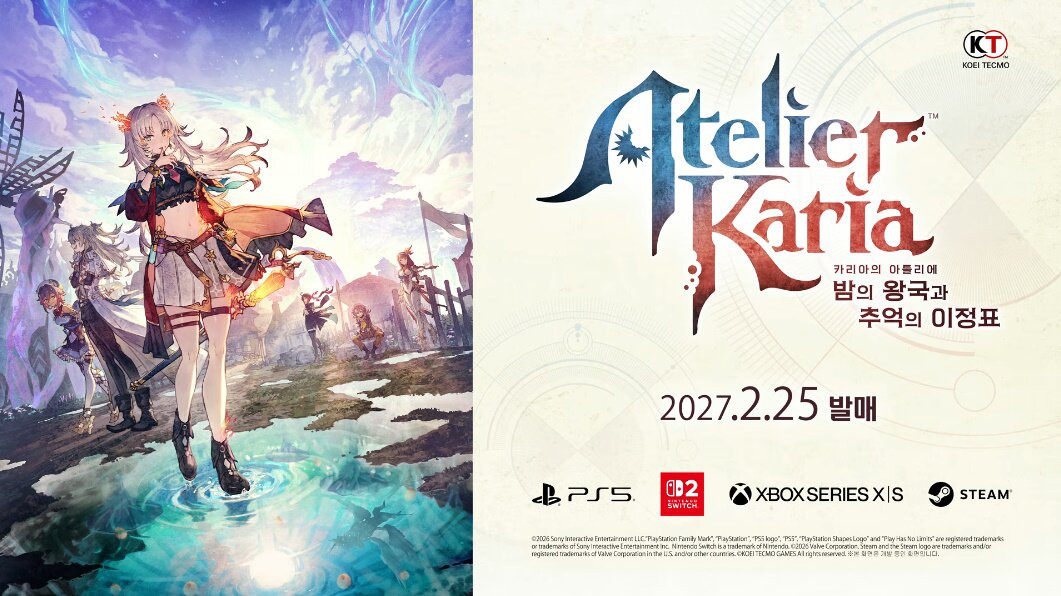
Ahead of its February 2027 release, the Atelier series—which took on a new open-world challenge with Atelier Yumia—presented its latest entry, Atelier Karia, at TGS 2026. Set once again in Aladiss, this title follows the memory-wiped protagonist Karia as a member of the pioneering team, telling a story centered on alchemy and an unknown subterranean world.
The game has garnered significant buzz among fans, particularly for featuring a protagonist whose appearance and stats transform as she eats various items. Beyond cosmetic changes, her abilities shift as well, creating high expectations for how this mechanic will synergize with alchemy synthesis. At TGS 2026, GUST producer Junzo Hosoi and director Daiki Fukui met with Korean media to answer questions.
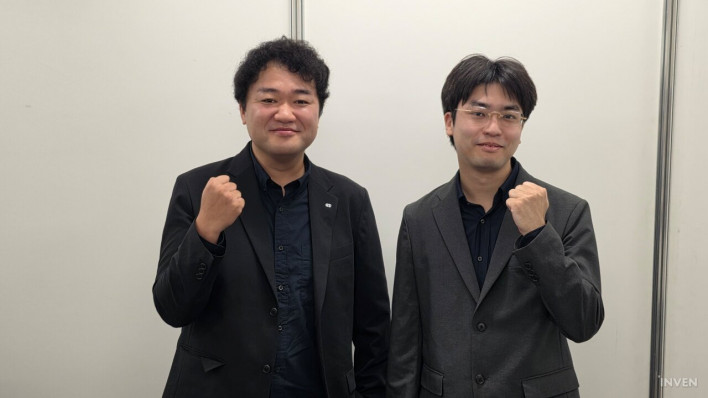
In the Atelier Ryza series, Ryza starred across three consecutive titles, but after Yumia, the protagonist changed to Karia. Will the protagonist change again in the next game, and what is Yumia doing now?
Producer Hosoi: Ryza was, as you said, the protagonist of a trilogy. However, the Atelier series originally featured a new protagonist in every entry. In a sense, we intentionally wanted to return to that style.
Yumia serves as another main character and acts as a mentor figure to Karia. While Yumia was a dancing alchemist, Karia practices alchemy using an alchemy cauldron, and her synthesis method is somewhat different. How we picture the future of alchemy through this is another key point of the game.
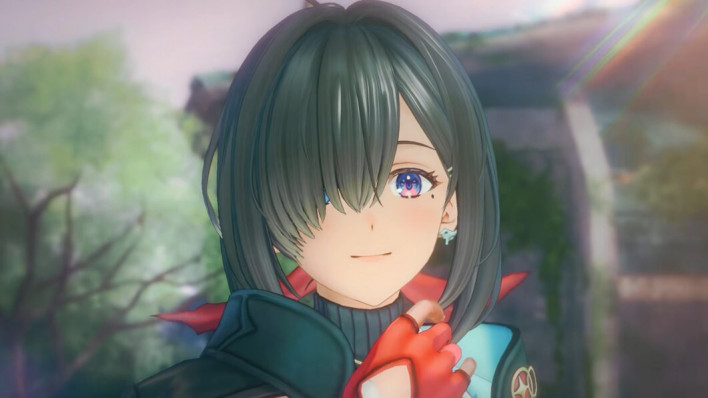
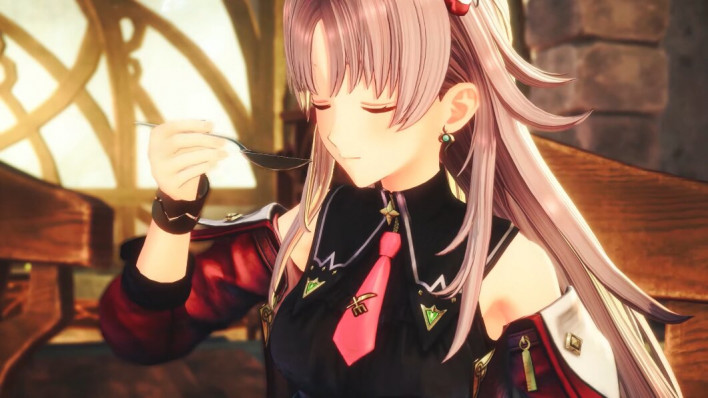
Unlike previous protagonists, Karia has a mechanic where she learns by eating. What was the background behind designing this mechanic?
Producer Hosoi: We received a lot of feedback regarding the synthesis system in Atelier Yumia. We wanted to broaden the mechanics of the synthesis system, so we explored a more unique approach. That's when we thought having her learn by eating and absorbing things would be fun, so we adopted that idea.
Since Atelier Rorona, the visual appeal of the protagonists has often been highlighted. What did you focus on as the key point of charm for this title?
Producer Hosoi: Up until now, we appealed to players by emphasizing visuals upon first impression, but this time we wanted to take it a step further. For Karia, we wanted to give her a charm that gradually transforms from that first impression. In that spirit, we included mechanics where she changes as she eats, even altering her body shape. There are similar games in Korea as well, so we refer to them and are working hard to refine the concept further.
Still, Ryza is known for her thighs, and Yumia for her legs. How about Karia?
Producer Hosoi: Her belly. As for how big it will get... personally, I'd like to push it as far as possible, but it hasn't been finalized yet.
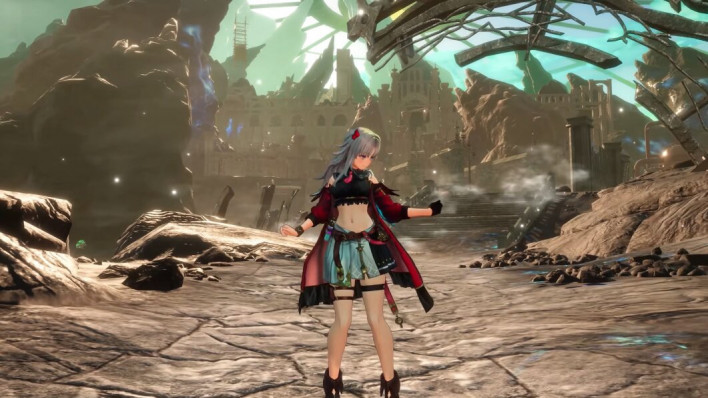
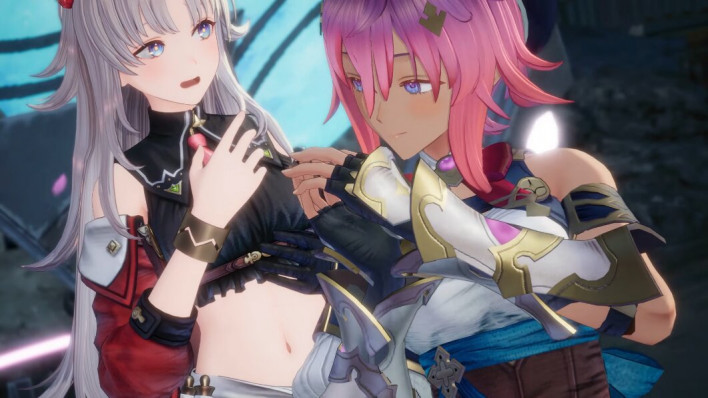
The body shape transformation system sounds interesting; I'm looking forward to seeing how she changes.
Producer Hosoi: We paid a lot of attention to body shape changes from early in development. Since changing through eating is core to the experience, body shape changes naturally became a central element. Even in a world focused on appearance, everyone's idea of charm is actually different. We are listening to honest feedback from various sources as we continue to refine the body shape transformation system.
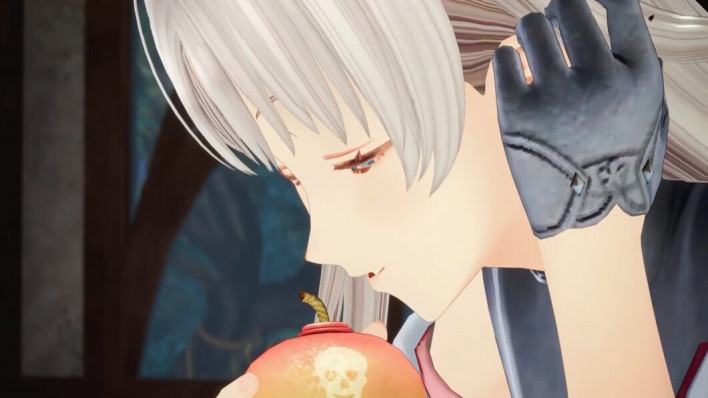
You mentioned adding meals as a core mechanic. Besides picking up and eating items in the field, is there a system where players can cook food and eat together?
Director Fukui: Of course, there is a cooking and eating system. In Karia's case, she can eat things created through synthesis that are normally completely inedible. Her companions can only eat ordinary food, and you will be able to see scenes where Karia cooks and eats normal dishes together with the rest of the party.
The Atelier series' 30th anniversary is approaching. Is Atelier Karia the commemorative title, or are you preparing another special project?
Producer Hosoi: Atelier Karia is not the 30th anniversary commemorative title. We will have another opportunity to talk about the 30th anniversary in the future.
You showcased a system where satisfying certain conditions unlocks new styles through the eating transformation mechanic. Is there a style that allows players to fly around the field?
Director Fukui: We haven't prepared a flight mechanic. Instead, we added other types of styles that assist with field exploration, such as slowing falls or walking on water.
Optimization felt a bit disappointing in the previous game. How has it been improved this time?
Director Fukui: There were issues with the PC version of the previous game. As for optimization, since we are supporting Switch 2 this time as well, we are polishing various aspects in-game. Also, having heard that controls were difficult in the PC version, we are improving mouse and keyboard support.
You emphasized looking back at the past, such as changing protagonists with each entry. Are there mechanics that were removed previously but return in this game?
Director Fukui: In Yumia, we reworked the trait system once, but found it difficult to connect deeply with the synthesis system. So we shifted back to referencing the classic system heavily.
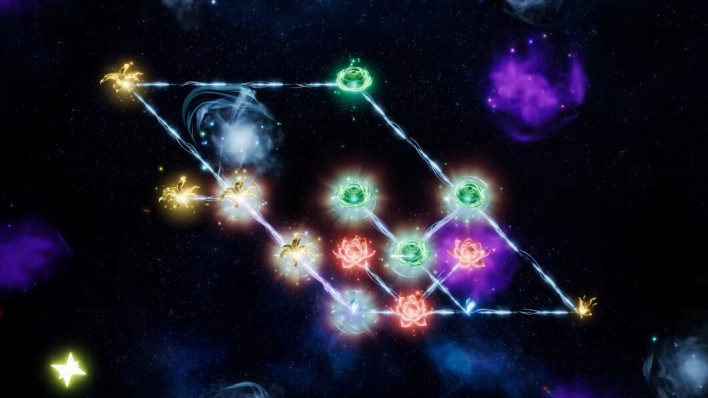
Atelier Karia is targeting only current-gen platforms without supporting previous-gen consoles. Are there any notable graphical enhancements?
Producer Hosoi: Actually, when we first revealed it, there was a lot of internal discussion about whether these graphics would be sufficient. So afterwards, we bumped up the graphical quality to target PS5 and Nintendo Switch 2, polishing the overall presentation.
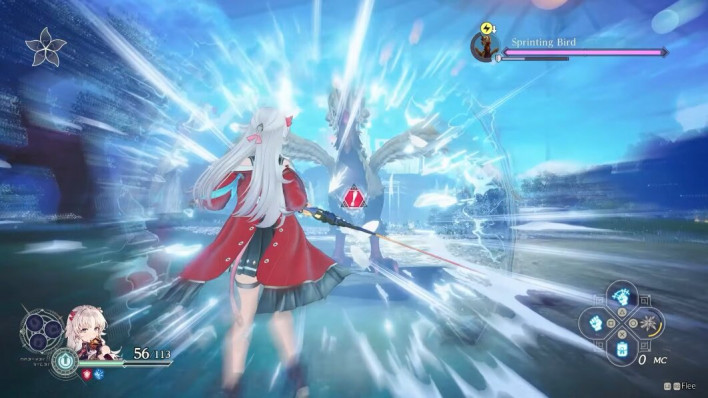
You also showcased a parry system. What types of attacks can be parried?
Director Fukui: While there are some unparryable attacks, most attacks—including physical strikes, magic, and various other attacks from enemies—can be parried. If an attack can't be handled with a parry, we designed the combat system so players can respond with evasions or guards.
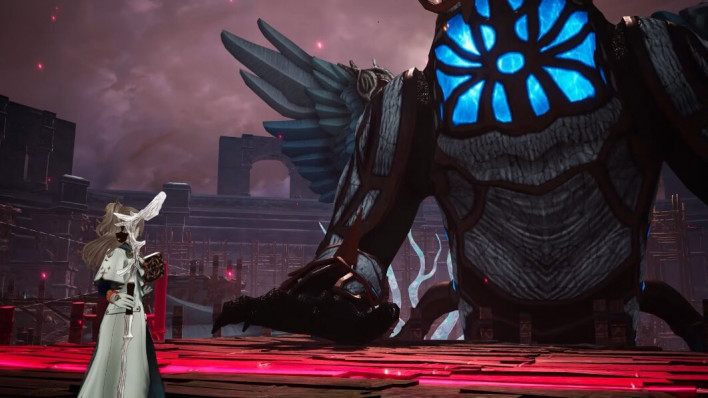
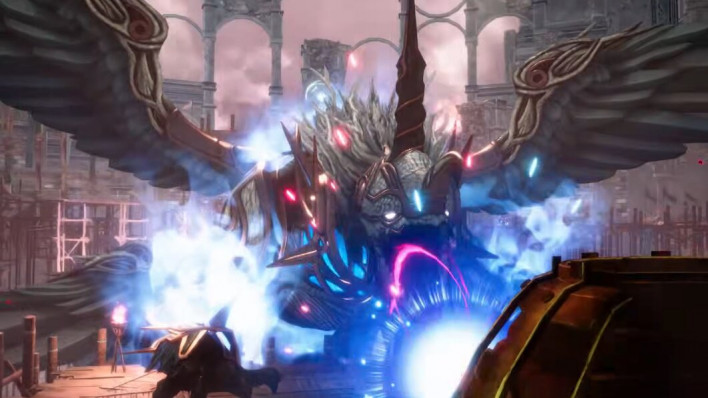
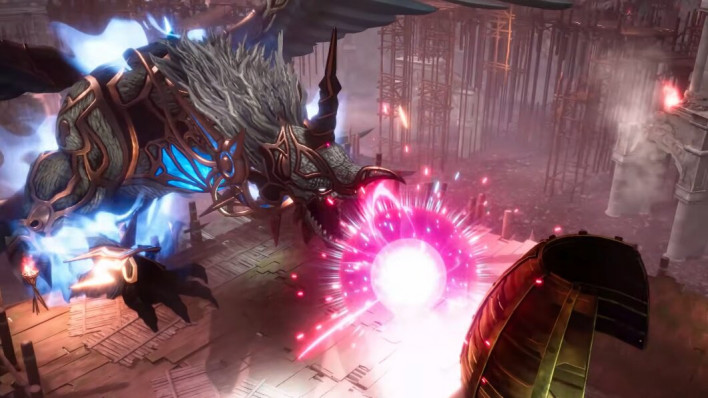
Giant boss battles, unprecedented in the series, were teased, and in the footage, there was a scene firing a cannon. Could you explain more about responding to mechanics during specific patterns?
Director Fukui: In giant boss battles, gameplay unfolds sequentially between two parties: the active combat party directly fighting the boss and the field party providing support. The active combat party engages in battle first, and during a specific pattern or phase, focus switches to the field party—for example, infusing elemental magic into a cannon before firing it. After handling the pattern, perspective returns to the combat party.
Additionally, in Atelier Karia, you can build walls and various objects through the base-building system. If the field party sets up a wall in advance, players can take cover behind it when the enemy launches a flame attack, adding a wider variety of tactical options.
Atelier Yumia was set in a world where alchemy was taboo, but in Atelier Karia, the alchemy cauldron returns and Yumia's reputation has been restored. Does this title tell the story of alchemy's comeback?
Director Fukui: Part of the reason we introduced a giant cauldron in this title was presentation. Having Karia stand on top of the cauldron or jump inside it allowed us to insert comical direction, which felt distinct from the previous title and worked out quite well.
Do you have a final word for Korean fans eagerly awaiting the release of Atelier Karia?
Director Fukui: We reviewed both the well-received elements and the criticisms from Yumia, developing this game with a focus on refining them. We designed the synthesis system to be an improvement over Yumia's, ensuring synthesis outcomes exert a wide variety of influences. We hope players enjoy diving into the synthesis system.
Producer Hosoi: We received an enormous amount of feedback on our previous title globally, especially from Korea. Based on that input, we are developing a game that surpasses the previous entry, so we believe fans will be satisfied. We enjoy Korean culture and Korean gaming culture, drawing inspiration from them in various ways, and we hope Korean fans will enjoy experiencing it.