What is the biggest dream for a live-service game? Before generating massive revenue or gathering tens of millions of players, there is a goal that must be achieved first: simply surviving.
Behaviour Interactive's 'Dead by Daylight' celebrated its 10th anniversary last June. Starting as a small asymmetrical multiplayer horror game in 2016, it grew through numerous updates, platform expansions, and collaborations with famous horror IPs into Behaviour's flagship long-term live-service game.
However, it was not a game built with a 10-year vision from the start.
"We had no 10-year plan whatsoever. To be honest, we didn't even have a plan for next Tuesday."
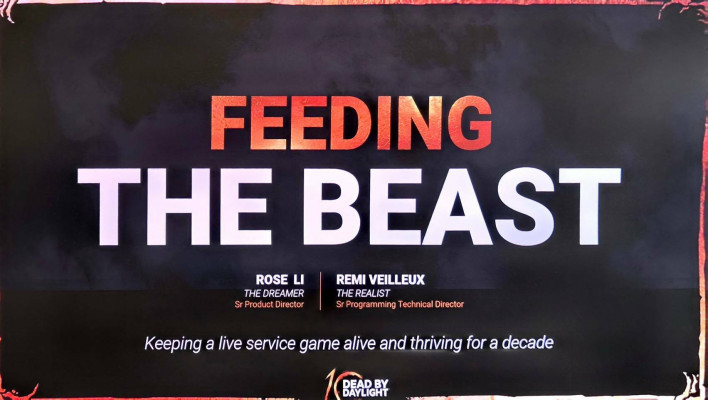
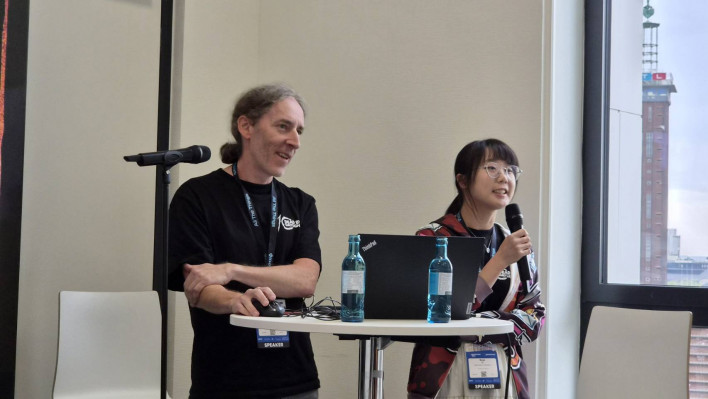
At gamescom dev held in Cologne, Germany on the 26th, Behaviour Interactive Senior Product Director Rose Li and Senior Programming Technical Director Remi Veilleux reflected on the past decade under the topic "Feeding the Beast: Keeping a Live Service Game Alive and Thriving for a Decade". What the two emphasized was not building a perfect game from the start to last 10 years. Rather, it was making the choices needed right now and being able to reverse past decisions as the game grows.
Build for the Game You Have Today, Not the Game 10 Years from Now
When it launched in 2016, Dead by Daylight was a much smaller game than it is today. The development team's resources were limited, and they expected their main player base to stay within North America. Building servers around the world was not a realistic option.
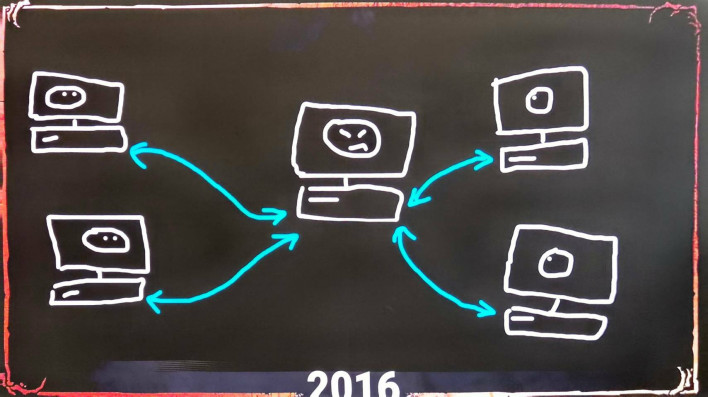
Therefore, in the early days, they opted for a Listen Server architecture where the Killer player's PC directly hosted the match. Because Survivors connected to the Killer's PC, it suffered from issues like host advantage and varying experiences based on network conditions, but it carried the clear advantage of incurring no operational costs for global servers. Above all, it was the choice that enabled a small dev team to actually release the game.
"We couldn't build infrastructure for the game we dreamed of being 10 years later. We built what the game needed at the time with the resources we had back then."
As the game became a success, circumstances changed rapidly. Four months after launch, Michael Myers from 'Halloween' joined the game, and collaborations with numerous horror IPs subsequently became a core part of Dead by Daylight's identity. In 2017, the game expanded to PlayStation and Xbox.
A key change occurred during the expansion to consoles. They built an in-house backend to migrate player progression and save data from local storage to the cloud. At the time, it was simply work done to make the game function properly on consoles, but the foundation laid back then served as the bedrock for implementing cross-play and cross-progression later on.
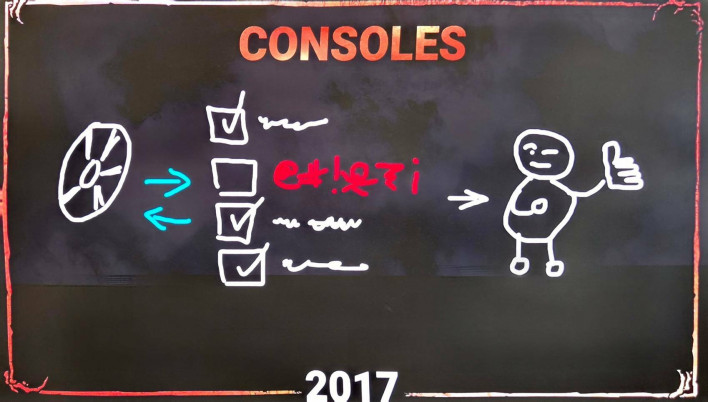
The first principle emphasized by the two developers here was simple: 'Ship the game you have right now, not the game you dream of in the future.'
There is no need to find a solution that will last forever right from the beginning. If a choice can get the current game to the next stage, that is enough. Instead, when you actually reach that next stage, you must be ready to switch to a better choice.
Technology That Was Once the Right Answer Eventually Becomes a Problem
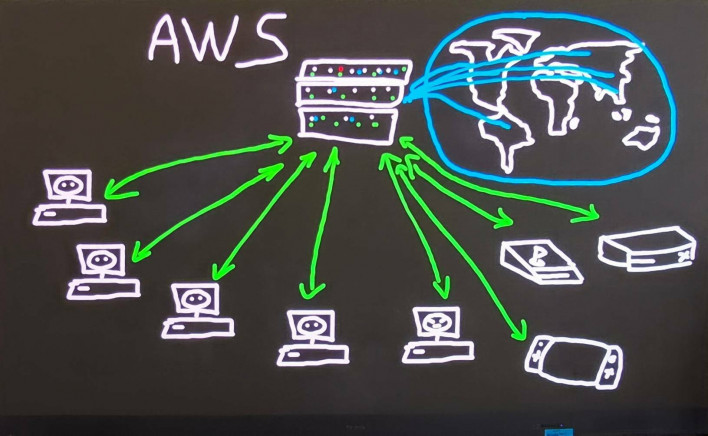
The Listen Server architecture that made launching Dead by Daylight possible in 2016 began to hold the game back as it grew. Issues like host advantage for Killers, security vulnerabilities, and cheating escalated, ultimately leading Behaviour to decide to introduce dedicated servers.
However, changing the network architecture of a game already in live service was no simple task. The transition took nearly two years. They had to fundamentally redesign how match interactions were processed, and because latency could not be eliminated entirely, numerous compromises between responsiveness and fairness were required.
Dedicated servers did not solve every problem, but they greatly expanded the development team's degree of control over the game. They reduced host advantage, strengthened security and anti-cheat measures, and relieved burden on player devices as the server took over certain calculations. Most importantly, it laid the groundwork for implementing cross-play, connecting players across different platforms into a single match.
"Sometimes to keep a live game alive, you have to accept that what got you here won't get you where you need to go next."
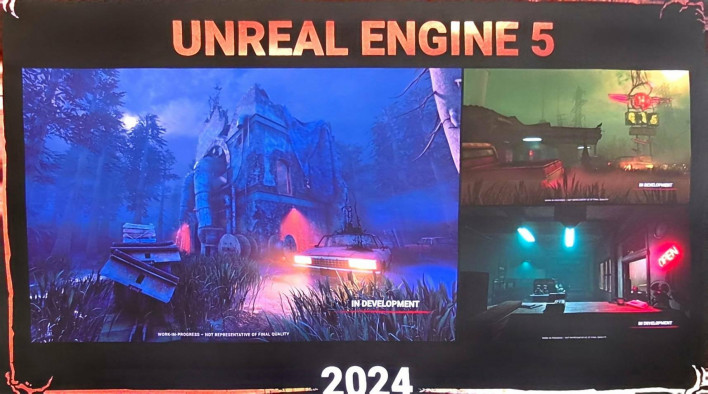
The switch to Unreal Engine 5 in 2024 was a similar decision. They had to swap out the underlying engine while maintaining hundreds of perks, abilities, and systems accumulated over eight years, all while delivering new chapters every quarter. The development team used this as an opportunity to purge legacy tech along the way.
Veilleux described this process as "modernizing an airplane inside and out without landing it." While taking on massive technical debt in the short term, it was a necessary investment to support new hardware and features and keep evolving the game moving forward.
Breaking Even the '1v4' Rule Upheld for 8 Years
Technology was not the only old premise that had to be abandoned. In 2024, Behaviour touched one of the oldest rules in Dead by Daylight.
One Killer and four Survivors.
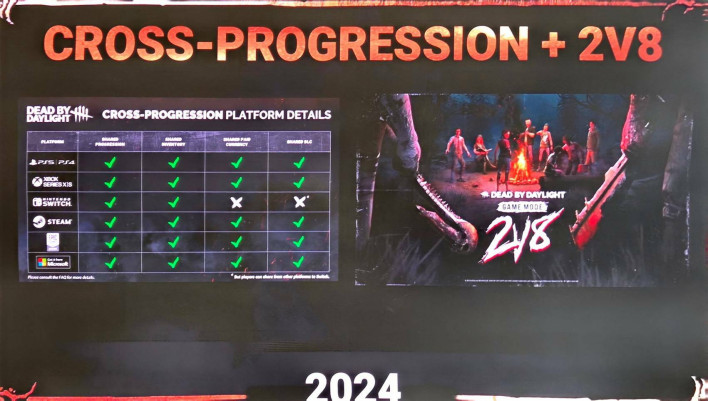
They broke the '1v4' structure that had been the foundation of the game for eight years and created a '2v8' mode where two Killers and eight Survivors face off. It started as a simple idea to allow Killer players to play with friends, but technically it meant redesigning the architecture that the entire game had assumed for eight years.
The result was a success. 2v8 immediately drew a record-breaking response, reassuring the developers that old assumptions needed to be reexamined. On the flip side, unexpected new issues arose. As Killers rushed to play 2v8, matchmaking queues surged significantly.
To solve this, they created 'Play While You Wait.' It is a feature that allows players to play a match as a Survivor while maintaining their position in queue as a Killer. According to the devs, this reduced perceived wait times by about 80% in 2v8 and about 70% in classic 1v4. Of course, since it didn't eliminate actual wait time for players who only wanted to play Killer, it was not a fundamental solution.
What began as an experiment, 2v8 has now become recurring content. While adding new modes creates another issue of fragmenting players across multiple matchmaking pools, the development team continues the iterative cycle of launching content, observing player response, and making adjustments.
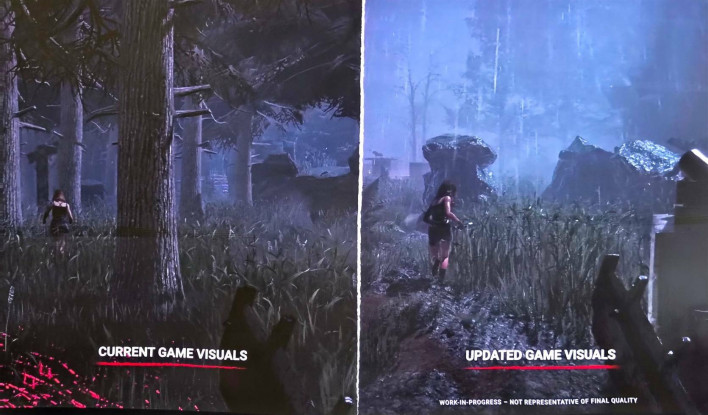
The way the two summarized it was "Dream, Reality, Result, Repeat." Dreaming, facing practical reality, building the result, and then repeating from the start.
And this was how 'Dead by Daylight' survived for 10 years. Technology that was the right answer in 2016 became a problem to solve a few years later, and even the 1v4 rule that seemed like the game's core identity was revisited when necessary.
"Surviving for a long time doesn't mean keeping what always worked. Sometimes it comes from knowing when to rethink it."
There was no 10-year plan from the start. Instead, they made the necessary choices at each moment and changed them when those choices no longer fit. A live-service game that lasts 10 years is not one that foresaw 10 years ahead, but one that was able to keep changing over 10 years.

Sort by:
Comments :0