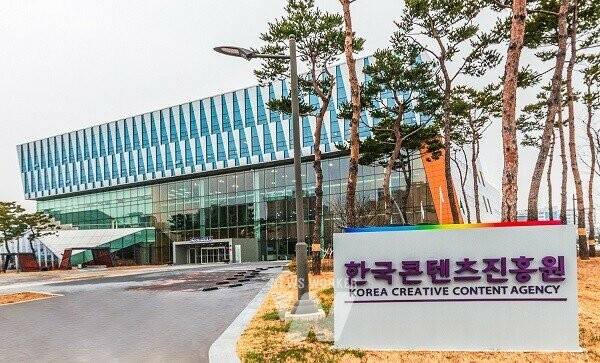
Allegations of unfairness have been raised regarding the '2026 Korea Indie Game Dev Camp,' an initiative promoted by the Ministry of Culture, Sports and Tourism and the Korea Creative Content Agency (KOCCA) to strengthen the competitiveness of the domestic indie game industry.
The '2026 Korea Indie Game Dev Camp' was launched to support early-stage startups and prospective entrepreneurs with innovative ideas, aiming to bolster the competitiveness and growth potential of the indie game industry. In line with this, eligibility was limited to corporate or individual businesses less than seven years old, or prospective entrepreneurs with creative ideas.
The guidelines also explicitly stated that projects already released or scheduled for release—including early access—within three months of the application deadline (June 23, 2026) were ineligible. Furthermore, projects that had previously received direct or indirect planning or development support from KOCCA or other institutions and companies as of the application deadline were also restricted from applying.
However, following the recent notification of selection results to applicants, suspicions of administrative procedural violations and unfair judging have emerged, particularly within the indie game development community.
First, violations of the official announcement were cited. While the original notice stated that projects already released or scheduled for release within three months of the deadline were ineligible, some of the selected works were reportedly on the verge of launching on Steam. Additionally, reports surfaced that some applicants were told verbally that "having a build would lead to disqualification," yet this information was omitted from the official notice, causing confusion.
Critics also pointed to a flawed judging system. A total of 1,461 projects were submitted for this year's camp, and 43 judges, divided into groups, reviewed them over two days. Critics argued that the process was inherently unfair and inadequate, as each project was given only about 15 minutes of review time, and no single judge reviewed the entire pool of entries.
In response to inquiries from applicants, KOCCA stated, "We proceeded with the announcement first due to a lack of time for verification." Applicants criticized this passive stance, noting the lack of an official re-verification plan or apology, and condemned the decision to keep administrative information, such as the waitlist, private. They are protesting the decision to push forward with the program despite the controversy and are demanding active, transparent verification and corrective measures.