In 2025, Clouded Leopard Entertainment (CLE) released the Korean-language version of The Legend of Heroes: Trails in the Sky 1st Chapter, drawing meaningful responses from both longtime fans and newcomers alike. Beyond Nihon Falcom titles, CLE also continued introducing a steady stream of Japanese indie and mid-sized games across diverse genres to the Korean market, further broadening its lineup.
This year, CLE has confirmed the Korean release of The Legend of Heroes: Trails in the Sky 2nd Chapter, and has teased console releases for new IPs as well—such as Back to the Dawn: Break the Animal Prison—as it continues to expand its catalog. CLE says it will maintain its longstanding localization policy in 2026 as well, with the goal of meeting the needs of Korean gamers.
InvenGlobal met CEO Shiro Kawauchi on-site at Taipei Game Show, held at Taipei Nangang Exhibition Center in Taipei, Taiwan. We spoke with him about CLE’s reflections as it marks its fifth anniversary, the “simultaneous release” philosophy Kawauchi has long upheld, and the company’s business direction for 2026.
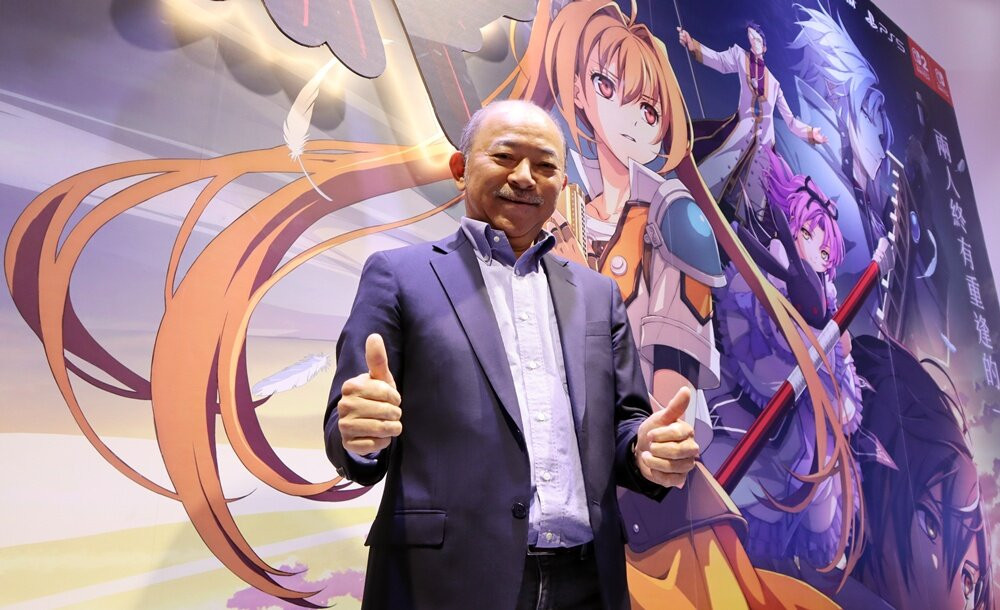
▲ Shiro Kawauchi, CEO of CLEK
We’ve now welcomed the new year, 2026. Every year, you never forget to send New Year’s greetings to Korean players. If you had to define 2025 in one word, what kind of year was it?
Kawauchi: Thank you, as always, for your tremendous support. Before I knew it, it’s already been five years since I joined CLE. Socially, it may have been a time of turmoil—but I think 2025 was a year in which the world’s digital transformation (DX) accelerated even further, and the spread of AI became something we could truly feel on our skin.
It was a year that made it unmistakably clear that a key question going forward will be how well we can coexist with AI—and how we can turn the AI that will continue to evolve into an ally for ourselves.
CLEK has now been established in the Korean market for five years. It must feel different from your time at SCEK. How do you see the atmosphere and trends in Korea’s market today?
Kawauchi: Back in the SCEK days, I often went out to survey the market, and I would directly check players’ opinions and trends on the ground in order to make the titles being sold more appealing. These days, I go out into the market far less often, and there are certainly fewer opportunities to hear players’ voices firsthand.
That said, the fundamental work hasn’t changed—things like negotiating with licensors and putting in the effort required for localization. We’re still making the minimum preparations needed to help more people understand a work better and enjoy it, and we’re also working to introduce titles from a wider range of genres.
However, even if we pour a great deal of care into a title, that doesn’t necessarily mean it will earn broad support. The reality is that it’s becoming harder than before to forecast sales, and that’s a very practical concern.
More than anything, 2025 was a particularly hot year thanks to the Korean release of The Legend of Heroes: Trails in the Sky 1st Chapter. It seemed to spark nostalgia among longtime fans while also bringing in a substantial number of new players. Internally, how do you evaluate those results?
Kawauchi: We’ve maintained a deep relationship with Falcom since the SCE era, and we’ve been responsible for publishing their titles since CLE’s early days. The Legend of Heroes: Trails in the Sky 1st Chapter has been receiving a very positive response.
When I spoke with President Kondo, he told me that sales—especially in Asia—have significantly exceeded expectations. Like us, he expressed deep gratitude to players across Asia.
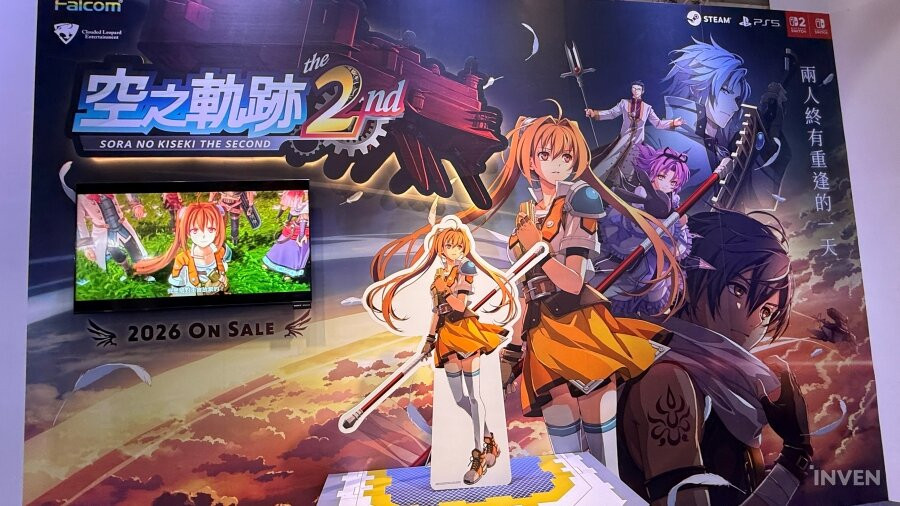
I believe it was highly praised because, while it’s a classic masterpiece from the past, it was further refined with new players in mind. And since Falcom is also putting a great deal of effort into completing the next entry, The Legend of Heroes: Trails in the Sky 2nd Chapter, I sincerely hope even more players will enjoy it.
Over the past year, you introduced a variety of Japanese indie and mid-sized games in Korea beyond Nihon Falcom’s works. Thanks to that, some players even say, “If it’s a game CLEK picked, I can trust it.” What is the most important criterion you focus on when selecting titles?
Kawauchi: To expand the market, we’re working to bring in titles from a broad range of genres. In that sense, CLE is a small, elite organization—so we have agility, and an environment where it’s easier to put our intended direction into action.
Through various events and game shows, we’ve been able to encounter works that hadn’t yet been introduced properly—not only in Japan but even across the broader Asian market. By adding localization as well as market-tailored culturalization to those titles, we’ve been able to present them in a more compelling form.
Our goal is to work together with developers to carefully polish a single title and bring it to market. However, at a company of our size, if we don’t steadily produce results as outcomes, it becomes difficult to sustain. So that’s a challenge we’re always carrying with us.
In fact, 2025 was also a period when the global game market as a whole experienced a bit of stagnation. In that environment, what was the biggest challenge CLEK faced, or a task that stands out in your memory?
Kawauchi: Looking at recent trends, many remakes and ports of past classics are being released—and they’re becoming new hits. By refining long-selling titles and adding new elements, they’re successfully drawing in not only existing fans but also new audiences.
We, too, handle some remakes and retro game ports—but at the same time, I also get the sense that the environment is becoming one in which it’s increasingly difficult for new IP to grow.
Even among developers, there’s an increase in numbered sequels and remakes of existing series where sales are more assured, and we’re hearing about cases where new IP projects are shelved or delayed.
That’s why I hope game players will have more opportunities to encounter and try new games. After all, that can lead to meeting yet another new game.
You returned to Taipei Game Show again this year as well. From the lineup you brought, is there a single “One Pick” title you’re personally most excited about?
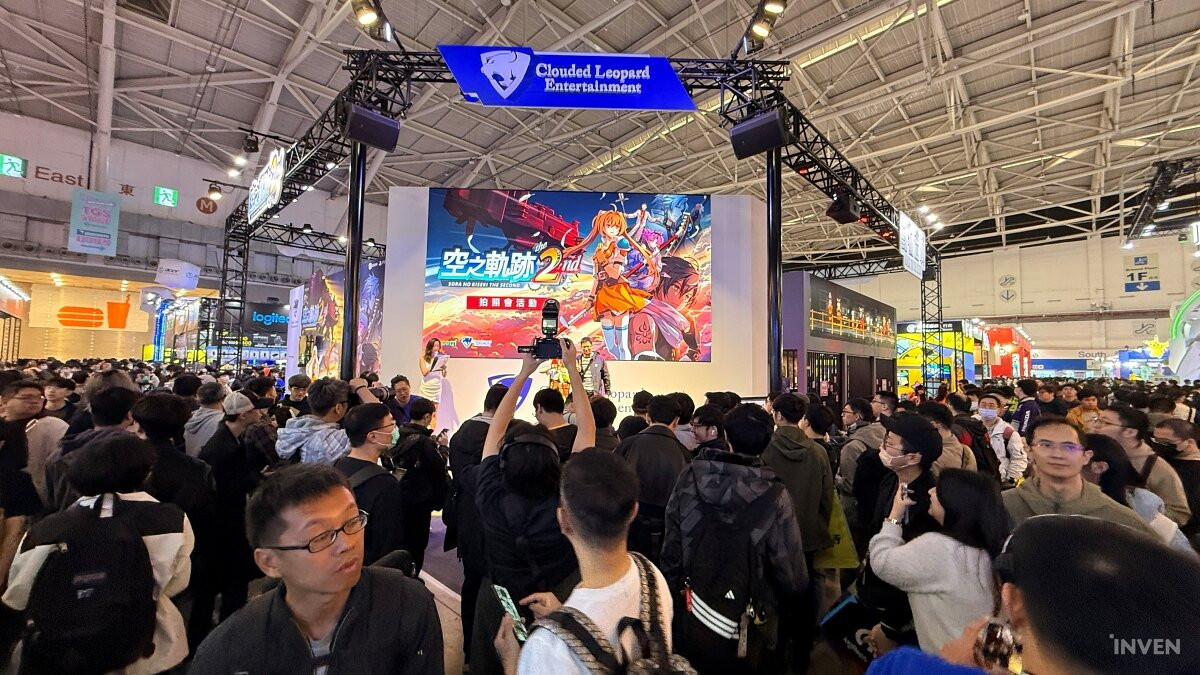
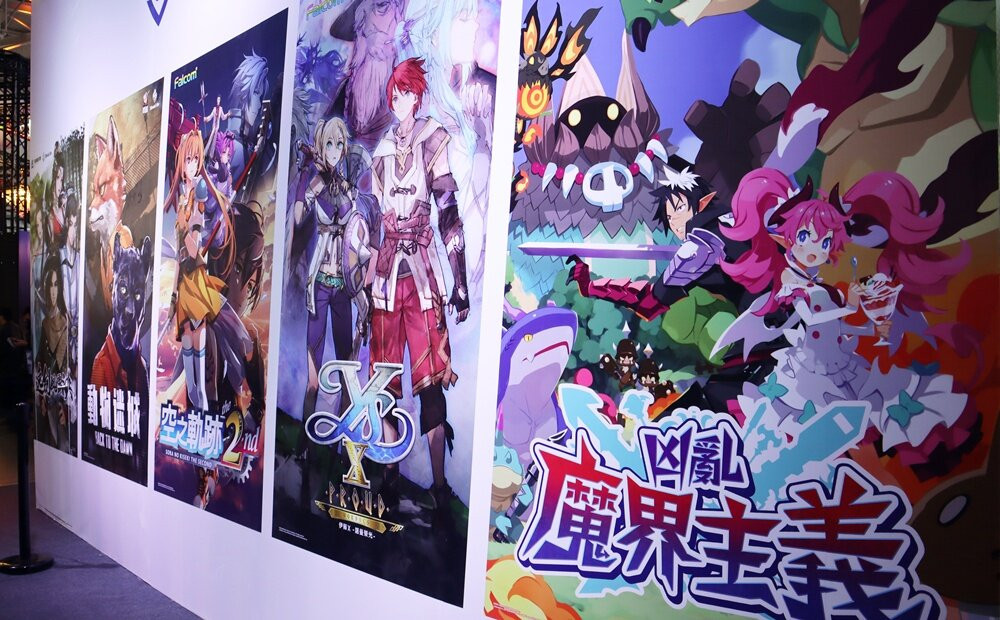
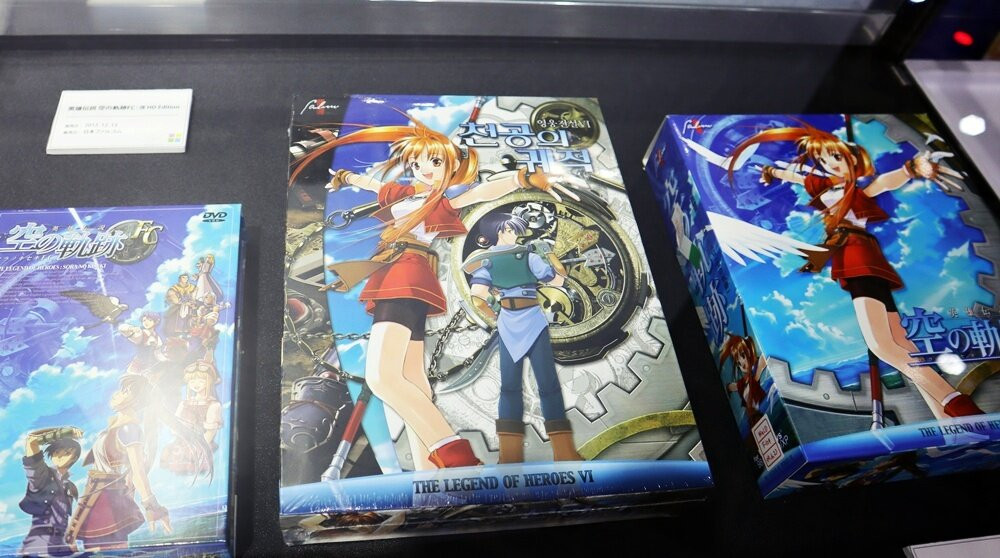
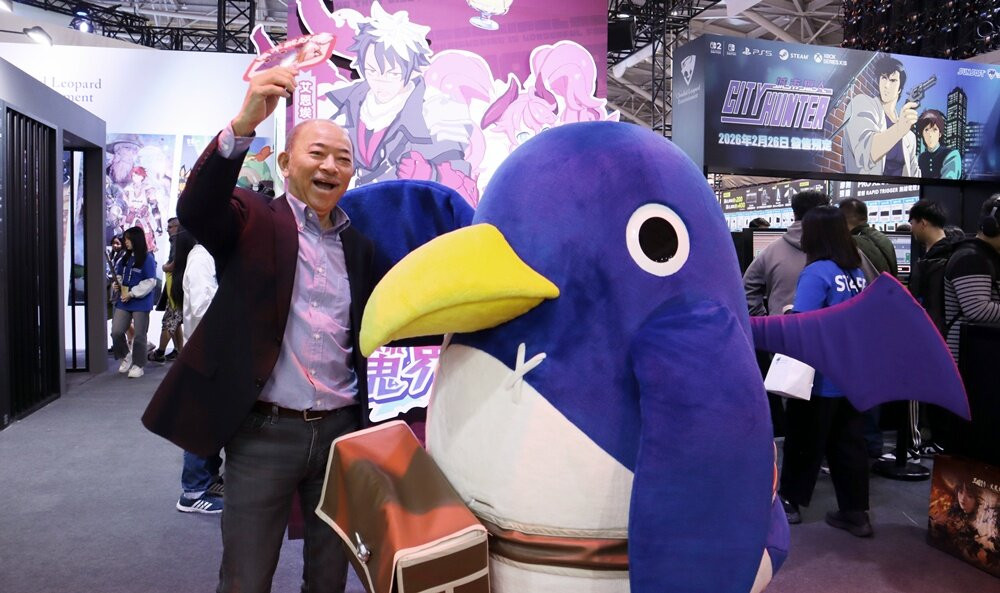
Kawauchi: At this year’s Taipei Game Show, CLE also participated with a booth. We held an exhibit looking back on the history of the Trails in the Sky series, and introduced upcoming titles.
Alongside The Legend of Heroes: Trails in the Sky 2nd Chapter, which many people are looking forward to, we also showcased three localized titles that demonstrate Nippon Ichi Software’s genuine commitment to the Asian market.
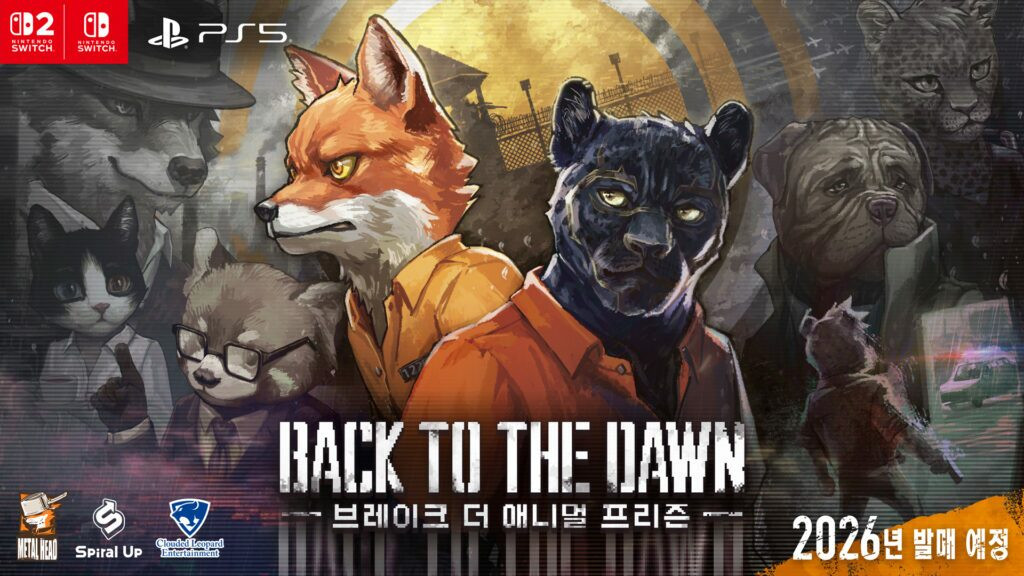
Among them, Back to the Dawn: Break the Animal Prison, which CLE is introducing as a new IP, is a title we—both as a company and personally—truly want everyone to play. It earned extremely high ratings on Steam, and we plan to release it as a console version after newly adding voice support through CLE, further enhancing the game’s appeal.
This year is also when next-generation console support—like Switch 2—begins in earnest. In line with that, will there be any new changes or policies in CLEK’s localization or optimization strategy?
Kawauchi: As next-generation hardware becomes more widespread, we expect the game audience to broaden, and players’ requirements to become even more detailed and diverse.
But even so, localization and optimization are the basics of the basics, so that policy will not change. I believe our mission is to positively review the increasingly high expectations and continue completing our works in a way that lives up to what players are hoping for.
“Simultaneous release” is a philosophy you’ve upheld for a long time. To make that happen, you have to finish localization work flawlessly, so I imagine there are unique difficulties. Even so, is there a special reason you continue insisting on simultaneous releases?
Kawauchi: Our veteran staff at CLE’s Korea subsidiary are putting tremendous effort into localization and QA work. On the Japan side as well, we have staff dedicated to localization, so we’re approaching it in a fully prepared posture.
At times, achieving a simultaneous release becomes a battle against time. But from the player’s perspective, regardless of those circumstances, it’s only natural that they want to enjoy the game quickly—at the same time as the original version.
So I believe it’s only right that we make the effort to meet that demand. Recently, we’ve also been reviewing ways to shorten timelines using AI, and we plan to make full use of it to the extent it can help with simultaneous releases.
Recently, Korean players have been increasingly asking for offline pop-up stores and fan meetings. Are there any offline event plans Korean fans might realistically look forward to this year?
Kawauchi: When it comes to hosting events, up until now they’ve largely been tied to title launches—so their nature has strongly been that of promotional activities.
At present, we don’t have any events scheduled to align with upcoming releases. However, I’ve been receiving requests from our Korean marketing lead to plan something in the near future. So looking ahead, we’d like to plan things such as pop-up stores where we can introduce existing works, or perhaps new items tied to what’s coming next.
Many Korean fans still cheer you on, calling you the “father of Korean localization.” To close, could you share a warm message for fans as we enter 2026?
Kawauchi: It’s already been more than 10 years since I was stationed in Korea during my time at SIE, so it’s not really my place now to speak as if I can say this or that (laughs). But the fact that there are still players who listen to what I have to say like this—it’s something I’m truly grateful for.
The importance of localization is something I believed in from the early days when I began overseeing Asia as a whole. It started from the China side (and my localization staff from back then is now CLE’s CEO…), but we naturally ended up focusing heavily on Korean localization as well, since Korea is such an important market.
After I was stationed in Korea, I remember strongly requesting Korean localization from our partner companies at the time, bringing them vivid, on-the-ground feedback from the field.
It was proven that when you reflect voices from the player’s point of view, you get results in the market. And today, Korea has become one of the most important countries not only for mobile and PC games, but also for the console game market.
In that flow, if I was able to be even a small help to Korea’s game market, nothing would make me happier. Personally, it’s also a point of pride that I had a place in Korea—a country I truly love.
New things will be waiting for us in 2026 as well. I want to keep building plans we can enjoy together with you, so please continue to support us as always. Everyone—Happy New Year!
This article was translated from the original that appeared on INVEN.