I have a lot of opinions about esports and video games. This article is one of them. Feel free to agree or disagree to your heart's content in the comments section.
Back in my day, I had to hike 30 miles uphill in the snow to get to the bustling local library. There, I would use the dial-up internet to print out directions to the Radio Shack I worked at where I earned a $4.00 minimum wage. Every penny of that money I spent on books because, back then, everyone was either reading or violently playing outside with no adult supervision because our bodies were nourished by real home-cooked meals, not fast food and lattes.
Arcades were thriving and you had to look people in the eye after you beat them in a game of Joust: a real esport.
Patch notes? Hah! We played the same broken video games for decades and we liked it.
Now that I've gotten that out of the way, I'll drop the hyperbole to address something I actually think is a pretty backward: complaining excessively about a video game you play regularly.
It seems like every gamer I know is guilty of this, myself included. Whether it's lamenting about X being broken or Y being underpowered, it feels like the majority of online discussion about a game (especially if it is multiplayer) is dominated by complaints and gripes.
Gamers in large have developed a fruitless obsession with perfection and balance. When a developer adds something fun or new, the change is ridiculed if it dares come before the all-mighty balance fix.
"Devs can't even balance a game."
"X has remained broken for months and they haven't been bothered to fix it."
"The game is literally unplayable in its current balance state"
"I won't play until this gets fixed."
These and similar sentences are the bread-and-butter of every online gaming community. As if personally offended, nothing irritates the modern gamer more than a game that isn't perfect. Win percentages that even modestly hover above 50% are touted as irrefutable proof that nerfs are in order.
And if your favorite character or strategy has a less than 50% win ratio, no one will ever hear the end of it.
Is Broken "Really" Game-Breaking?
Hear me out for a second. I, too, want video games to be balanced and "good." I love reading through patch notes and I think developers having the ability to continuously improve on their games is an awesome thing.
But it isn't the most important, end-all, defacto indicator of whether or not a game is good, enjoyable, or even loveable.
Take this small example that hints at a greater truth: Final Fantasy 6 (1994) was released for the SNES with a bug that made the "Evade" stat do absolutely nothing, and the result was some characters, items, and abilities being completely ineffective. In 2006, a port was released for the Game Boy Advance (not the first port, mind you) that finally fixed the bug.
That is 12 years of gamers playing a broken version of a beloved classic RPG. As a matter of fact, in Final Fantasy 7 the Magic Defense stat on armor, also, does absolutely nothing -- another bug that today would never, ever go unnoticed. Yet Final Fantasy 7 marches on, requests and rumors of a remastering rekindling every year.
Do games have to be perfect to be enjoyed? I think the answer is an obvious no but simple enjoyment isn't the most important factor anymore. A games competitive integrity has become synonymous with its absolute balance, which is strange considering, you know, the history of esports.
Player Innovation Through Acceptance.
Some competitive all-stars like, like Super Smash Bros. Melee, Marvel vs. Capcom 2, and the original Quake are defined by their imperfections and imbalances. On their own, these games are good, but it was their obsessed player bases that made them spectacular.
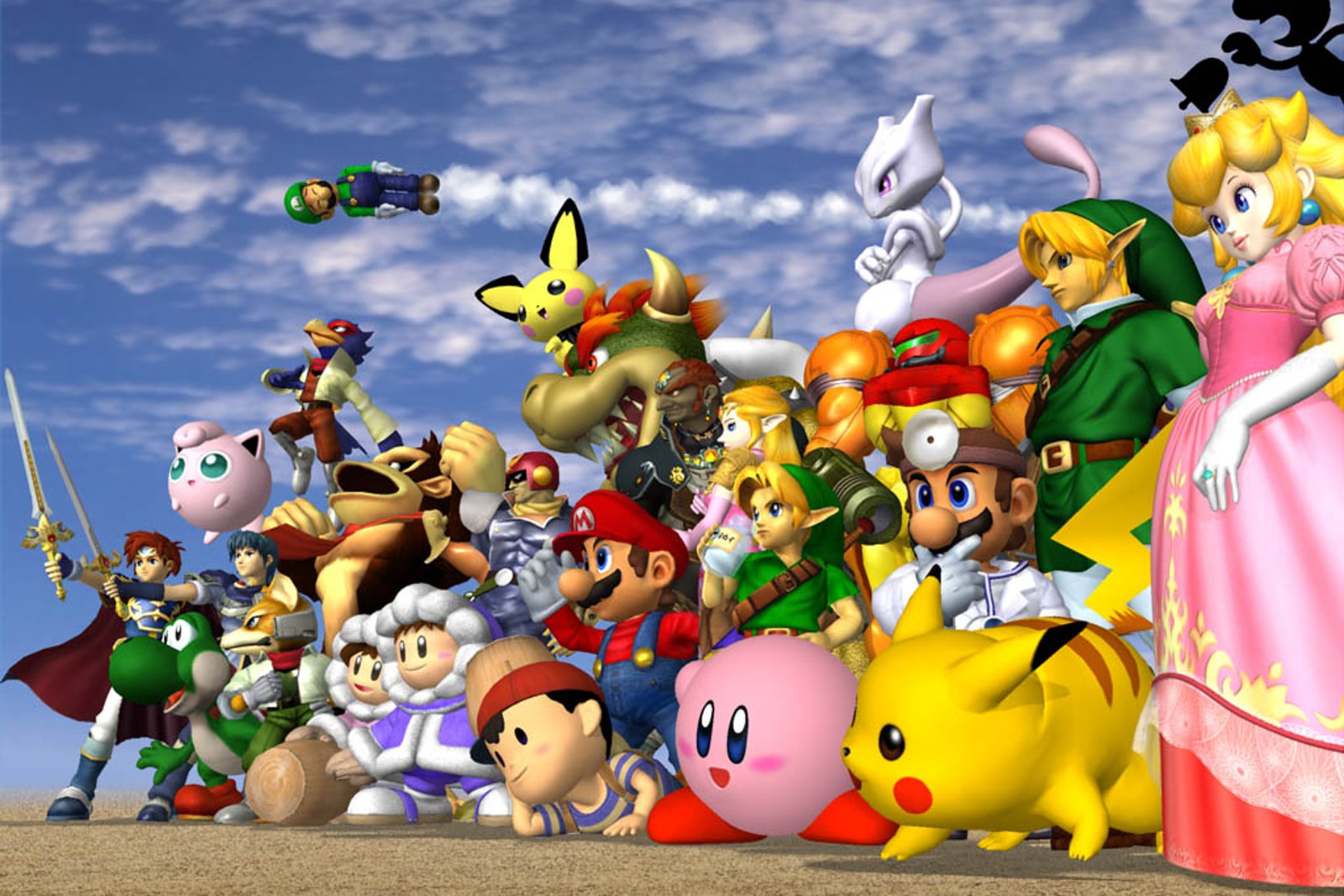
I have a feeling that competitors respective understanding that Fox, Magneto, and Bunny Hopping, were never going to be "fixed" played a big role in how beloved these games are. There was no use complaining (no one was going to patch their physical copy of the game) and, as a result, I think these communities learned how to accept and love their game of choice. Bugs become quirks; imbalances became tiers; and, unintended exploits became things to master.
This type of acceptance has practically disappeared in 2018 and I think it is a real shame. Gamers have developed a knee-jerk reaction that anything remotely resembling imbalance immediately needs developer attention. There is little incentive to master any one style of play because odds are, it is eventually going to get patched or changed. Patching a game destroying bug or exploit is very different from patching a strategy the community deems too powerful. The first type of patch helps the game function, the second type of patch can slowly rob a game of its competitive depth.
Also, don't try and tell me the original Starcraft was balanced. It wasn't until the competitive community made scores of custom maps that offset the imbalances between races. They took it a step farther by developing precise build orders, wall offs, and unit control methods that, miraculously, turned the game into a competitive masterpiece. Blizzard patched Starcraft, sure, but their players deserve credit for laying the competitive foundation that subsequently gave Blizzard something to balance.
I'm not sure if these type of competitive foundations are possible nowadays.
Someone to Blame
There is a popular belief that game imbalance is the primary source of player frustration, but I don't think that is the case at all. It seems, more likely that frequent patches, easy access to developer insights, and massive public forums that developers visit have removed the need for gamers to trust and accept a game's design as final.
When players know a game will change if they complain enough, why bother trying to adapt and overcome? When a player stares at the defeat screen and wonders what went wrong, isn't it easier to blame the game than yourself?
This is the reality that, I think, breeds so much frustration. A lot of gamers falsely believe that there is this perfect game right around the corner but these damnable developers just don't know what they are doing!
Gamers arrive upon a playstyle that they love and want to bring it into ranked play for a satisfying experience. Sounds like a great time, if only the developers didn't make my favorite character completely worthless!
Gamers want to feel a fun, steady sense of accomplishment playing a game. Naturally, this personal experience is impossible because this game has gone to absolute sh*t!
It's exhausting.
Personally, the next time I feel frustrated about a game in this way, I'm going to try and shift my perspective. Instead of jumping all over all the ways the game isn't perfect, I'm going focus on all of the things I love about it. The music, the art, the pace, the gameplay -- whatever it takes to remind my self why I enjoy the game in the first place.
Because, in fact, I have been playing imperfect, imbalanced, buggy games for decades and I still very much love those games. I'm starting to think I fell in love with them because, back then, I wasn't lingering on their faults and cursing every little imbalance.
I was just enjoying the game, for better or worse.

Warcraft 3 is my one true love and I will challenge anyone to a game of Super Smash Brothers Melee.
nick@invenglobal.com