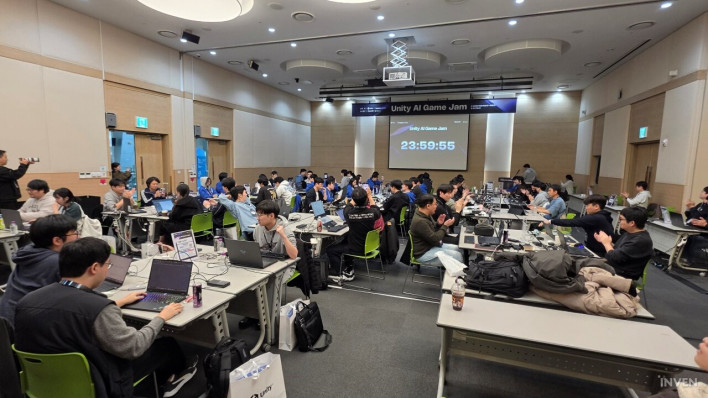
A 'game jam,' where developers plan and create a game from scratch within a limited window of time, is a highly meaningful event for both aspiring and seasoned game developers. It offers a chance to demonstrate one's capabilities to the fullest under tight deadlines, forcing creators to squeeze out clever ideas to deliver fun under severe constraints. Indeed, ideas born during game jams sometimes grow into massive hits—prime examples include games like 'Celeste,' 'Baba Is You,' and 'Keep Talking and Nobody Explodes.' Of course, turning such initial ideas into completed games is rarely easy. With variables like time pressure, unfamiliar settings, and working alongside strangers, developers often struggle just to get their core mechanics running.
However, the Unity AI Game Jam, held prior to G-Star, was somewhat different. Utilizing Unity, OpenAI, and various other AI tools, this event saw rough 3D models drafted in mere minutes—a stark contrast to traditional game jams. While many traditional jam teams fail after spending their 24 hours trying to hone an idea's creative edge, a remarkably high number of teams at the Unity AI Game Jam succeeded in finishing and submitting complete games.
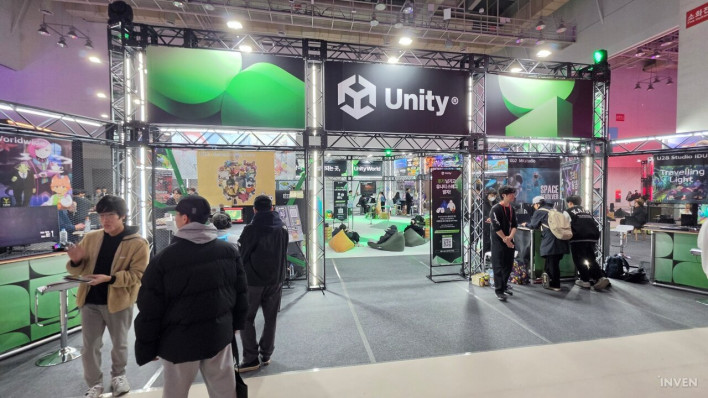
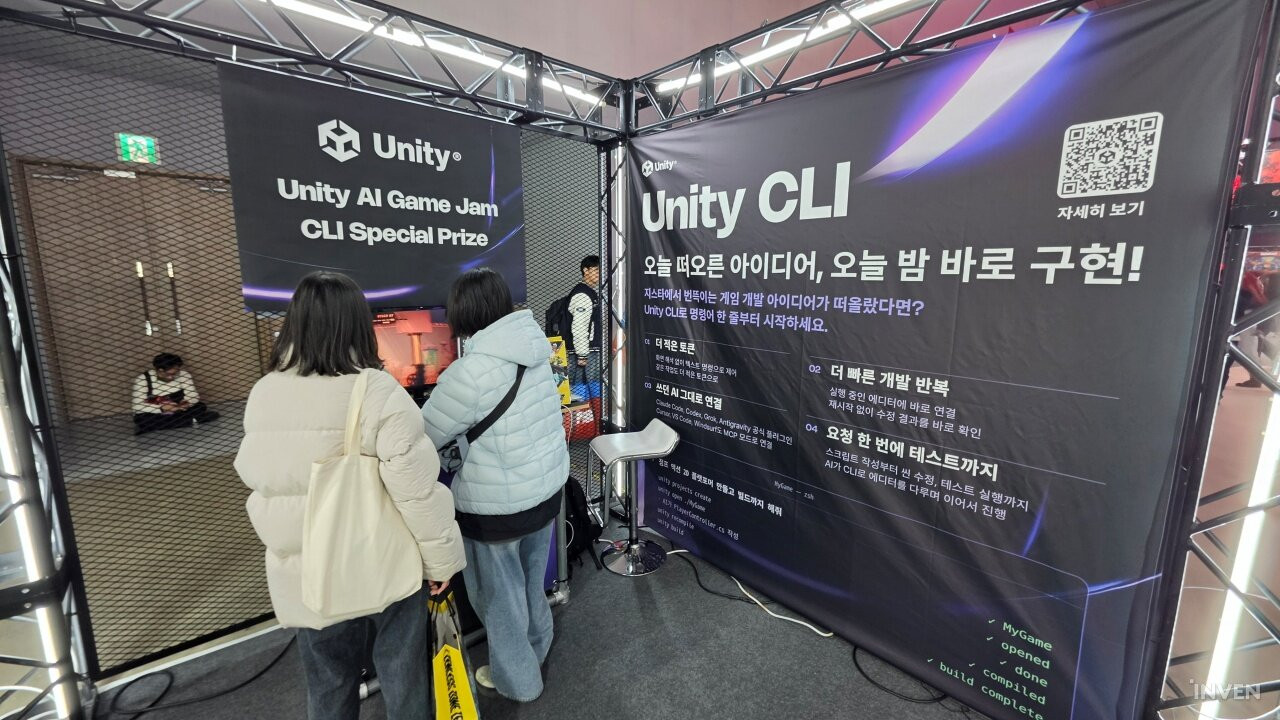
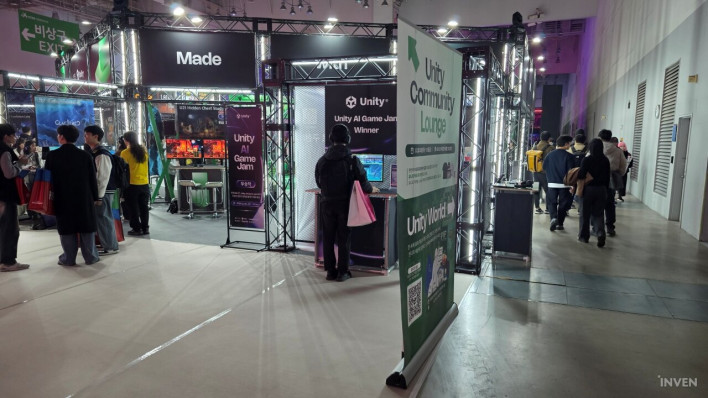
Centered around the theme of 'cooperation'—reflecting collaboration both between team members and with AI—the Unity AI Game Jam selected three titles as award winners. Demonstrating substantial stage volume, sophisticated logic and mechanics, or a harmonious blend of narrative presentation and gameplay created in just 24 hours, these three winning games are showcased at the Unity AI Game Jam Winner Corner within the Unity World booth, available to play directly on-site at G-Star 2026.
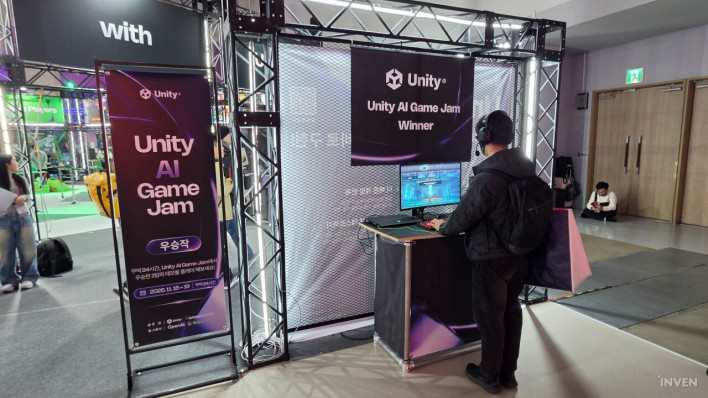
■ Unity AI Game Jam Winner - Swing & Swing
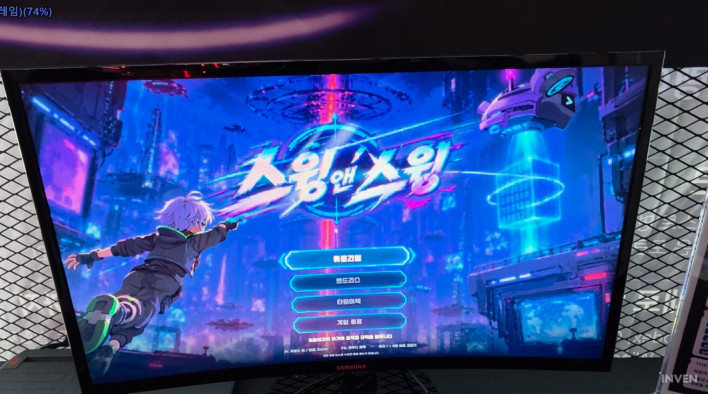
Taking 1st place in the on-site popularity vote to claim the top honor of 'Unity AI Game Jam Winner,' 'Swing & Swing' is a rope-action game about a righteous thief infiltrating an evil organization's laboratory to steal dangerous chemicals. Above tanks filled with hazardous chemicals, the player drops blocks via a 2D drone that serve as grapple points while simultaneously controlling the 3D main character to reach the goal using rope actions. Intuitive single-player split co-op design—controlling the 2D drone with the left hand on the keyboard and the 3D character with the right hand on the mouse—earned praise from both participants and mentors.
■ Unity CLI Special Prize - Colla-Zoo
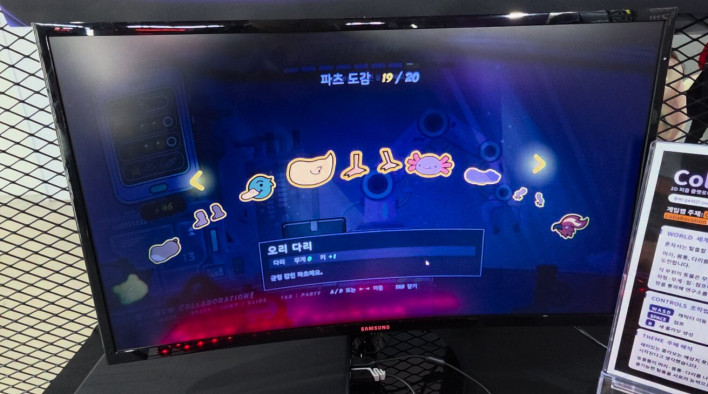
Awarded the Unity CLI Special Prize for its active adoption of Unity CLI, Colla-Zoo is a platformer where players escape a research facility by randomly combining body parts from 6 different animals. Unable to escape on their own, the animals share head, torso, and leg parts to overcome obstacles based on each situation. For instance, players can push past blocking obstacles using a bear's torso, or leap over high walls by combining a rabbit's legs with a lightweight animal's torso. However, because the combination reshuffles randomly every time the R key is pressed, obtaining desired stats requires a bit of luck.
■ OpenAI Special Prize - Dungeon Tycoon
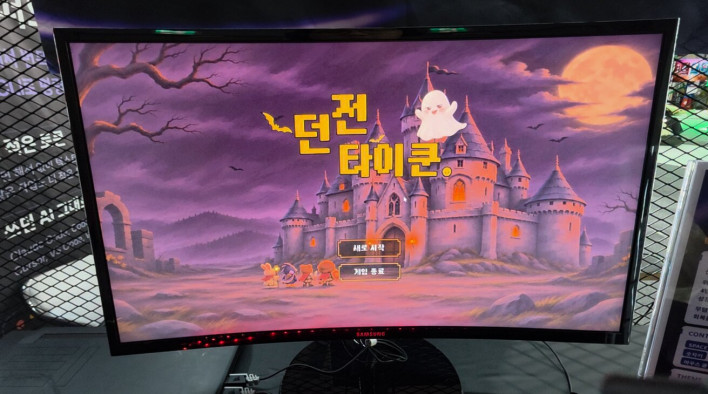
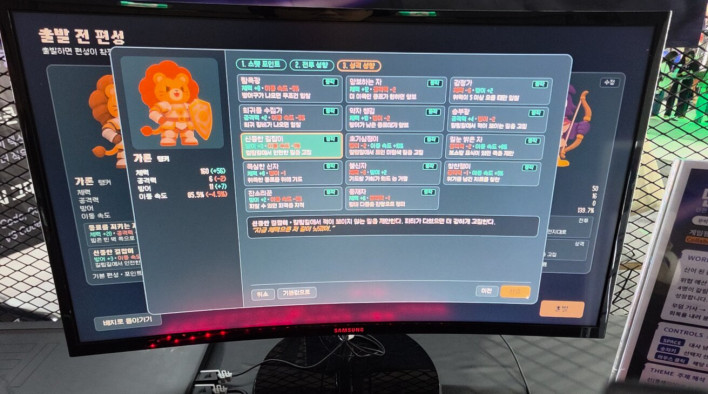
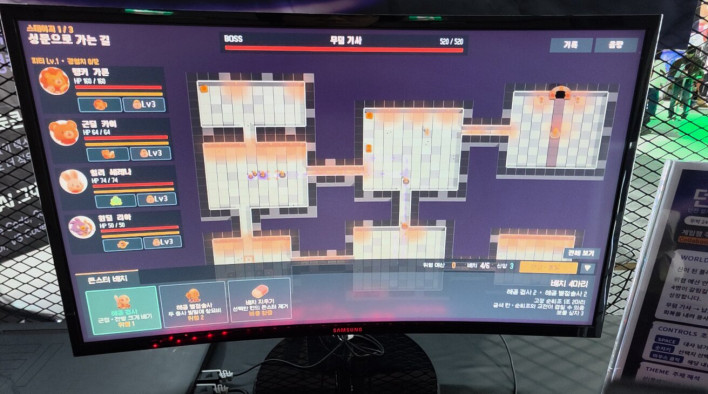
The final winner is the dungeon simulation RPG, 'Dungeon Tycoon.' In this simulation game, a party of AI heroes independently makes decisions inside a player-designed dungeon to face the Demon King. Before each stage begins, the dungeon layout and monster patrol patterns are set; reviewing this, players position monsters and assign stats to the heroes. Simply avoiding danger leaves heroes underleveled, leading to defeat in boss fights, making it crucial to place monsters so hero party members can level up without dying.
Composed of a Tanker, Melee DPS, Ranged DPS, and Healer, the heroes decide their actions autonomously based on each situation. When opinions differ, players can step in to decide, or heroes roll dice TRPG-style to determine how to proceed. Battles also unfold automatically according to preset skill sets. Capturing the fun of predicting and designing around AI behavior, the tension of watching it unfold, and the thrill when plans succeed—all implemented with just $0.26 in API costs—earned the game the OpenAI Special Prize.