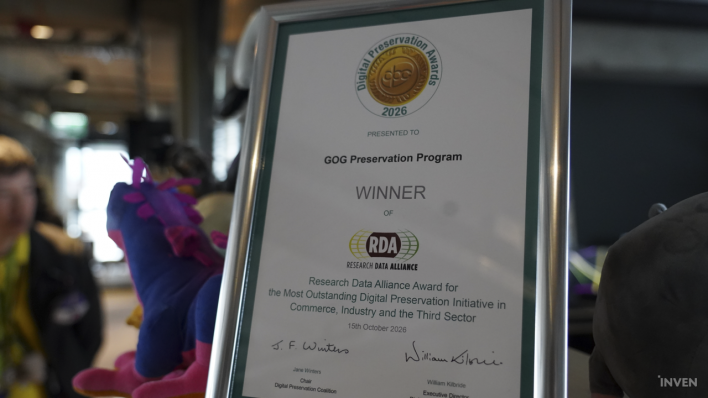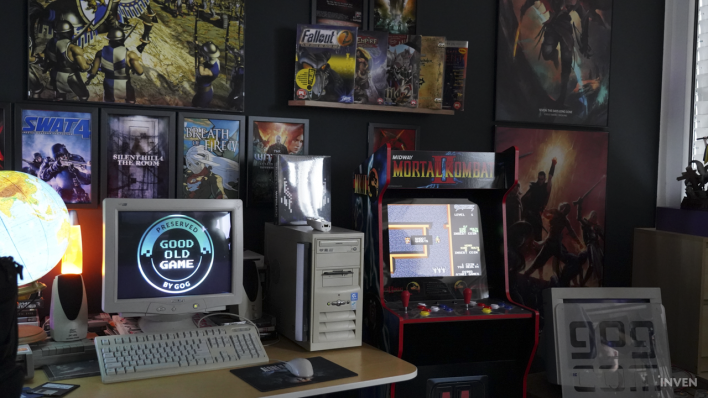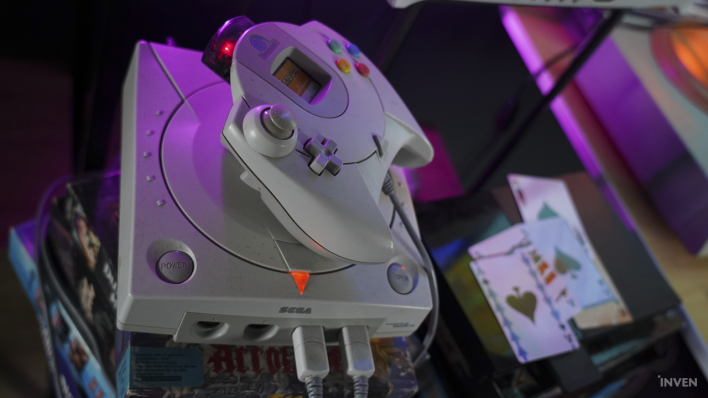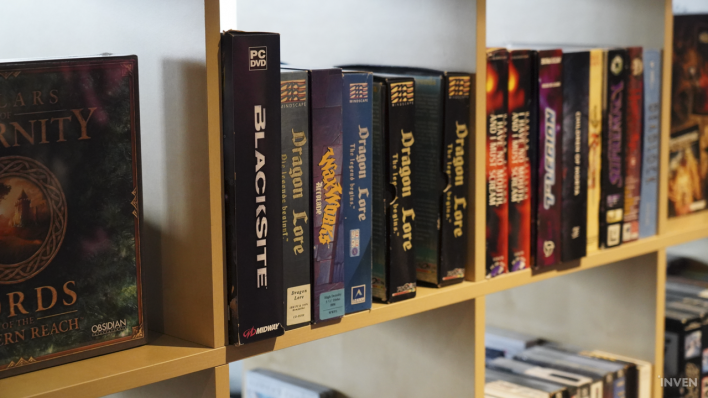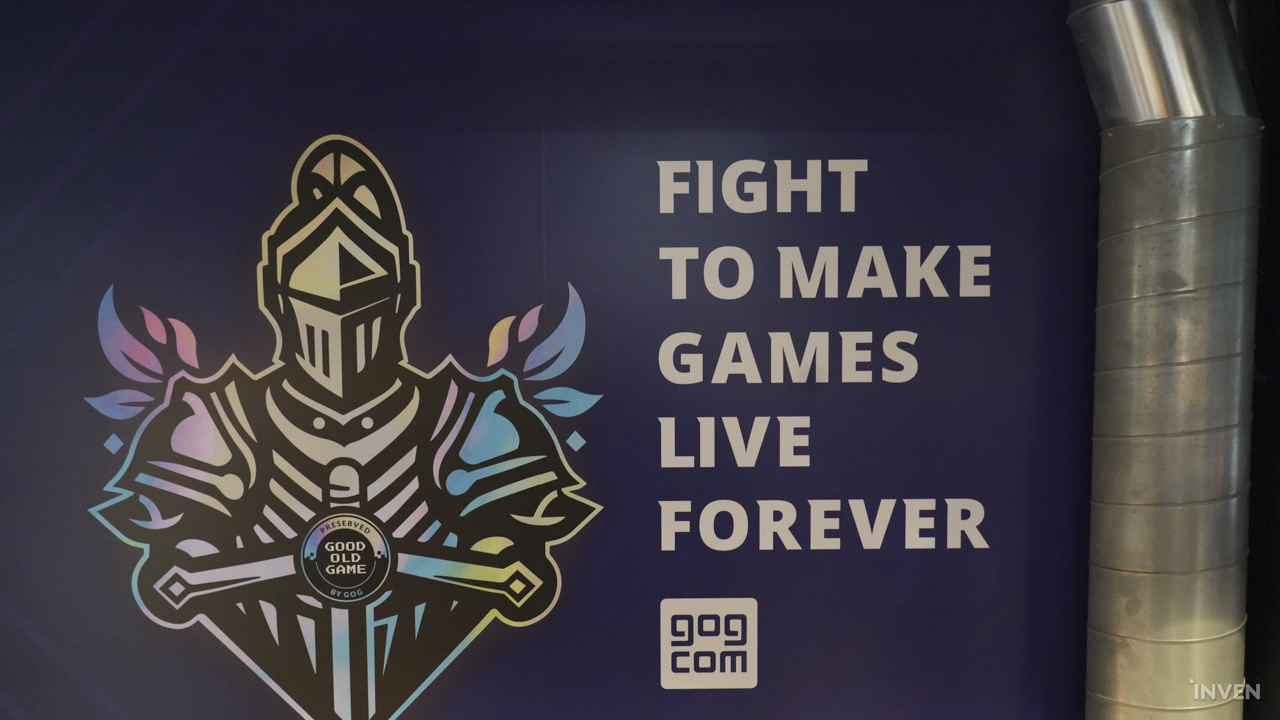
On October 20, gaming media representatives from Korea and Japan visiting Poland at the invitation of the Polish Ministry of Foreign Affairs visited GOG's office in Warsaw, where they attended a presentation on its game preservation program and toured the facilities.
Bartek Fitniewski, Head of Business Development at GOG, who led the presentation, emphasized the importance of preserving classic games, stating, "Our mission is to make games live forever."
Founded in 2008 as part of the CD Projekt Group, GOG is a PC digital game distribution platform. Initially named "Good Old Games," it focused on re-releasing classic titles before expanding its catalog to modern games, including The Witcher series and Cyberpunk 2077.
On December 31, 2025, CD Projekt co-founder Michał Kiciński acquired a 100% stake in GOG, separating it from the CD Projekt Group. Since then, GOG has operated as an independent company while maintaining a game distribution partnership with CD Projekt.
GOG's primary initiative is the "GOG Preservation Program," which ensures classic games run smoothly on modern PC hardware and operating systems.
Rather than simply selling retro titles, the program aims to maintain their playable environment through resolution enhancements, gamepad support, and fixes for various compatibility issues.
At the time of the presentation, over 300 titles were registered under the program. GOG plans to provide ongoing support to ensure these games remain playable on future PC setups.

Games selected for restoration are also influenced by user feedback. The "GOG Dreamlist" is a feature where players vote on titles they want to buy or play again. GOG uses these requests to reach out to rights holders of delisted games and evaluate the possibility of re-releasing them.
Black & White was highlighted as a prime example. Although it is highly requested by players, re-releasing it remains difficult due to complex rights issues. GOG stated that it continues to make efforts toward re-releasing the title.
Its partnership with Capcom was also presented as a major achievement. GOG is re-distributing classic Japanese titles, including the original Resident Evil trilogy, Dino Crisis, and Breath of Fire.
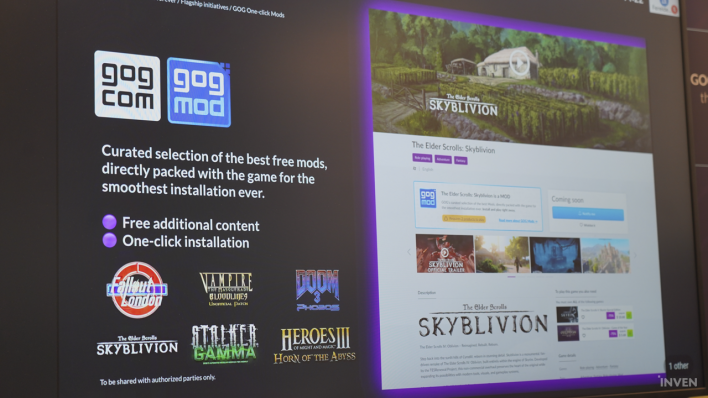
The platform also operates "GOG Mods," which leverages user-generated content. While installing mods previously involved complex setups or compatibility conflicts, GOG collaborates with creators to offer simple, seamless installation. The massive Fallout 4 mod, Fallout: London, was cited as a prime success story.
According to GOG, sales of Fallout 4 during the first week of Fallout: London's release surpassed its total sales from the preceding two years, demonstrating how a free mod can drive additional sales of the base game.
During the Q&A session following the presentation, questions were raised regarding online game preservation, Korean localization, and the use of AI technology. Addressing the possibility of restoring defunct online games, GOG stated that it is currently focused on single-player preservation. While online games present more complex technical challenges, such as server maintenance, GOG views them as a worthwhile area for long-term consideration.
Plans for localizing classic games lacking language options like Korean were also discussed. Fitniewski noted, "We are aware that many classic games in the Asian market lack support for local languages, including Korean. We are considering options to distribute community-made translations through GOG Mods."
He added that internal reviews and development work for this feature took place this year, though a specific launch schedule has not been set.
The potential use of AI in game restoration was also highlighted. While GOG opposes using generative AI to alter the original nature of games, it believes AI can assist in analyzing legacy code and troubleshooting technical issues.
GOG also clarified that it does not select games for preservation based solely on age. While it internally considers games roughly 10 years past release as classics, even relatively recent titles can qualify for preservation if official post-launch support from developers has ended.
Moving forward, GOG plans to expand its scope beyond improving compatibility for existing titles into full restorations using new engines and remasters.