1. Same Skill, Completely Different Feel: Skill Specialization
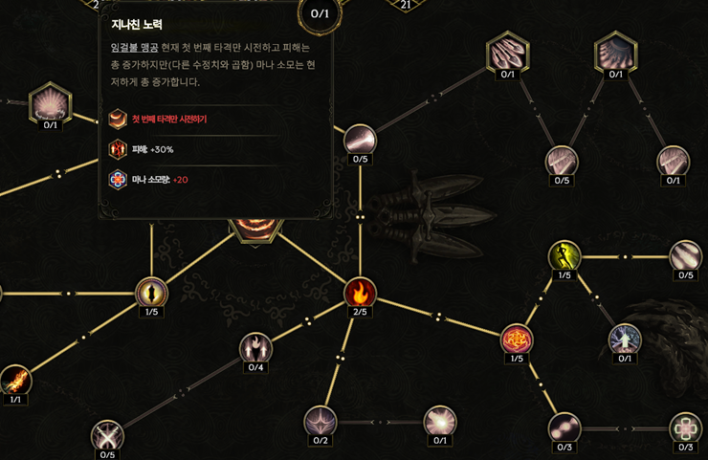
In Last Epoch, players can equip active skills into specialization slots to further level them up. Each skill features its own independent specialization tree, and depending on which nodes you select, the performance and effects of even the exact same skill can vary dramatically.
While some nodes simply boost basic stats like damage, others fundamentally alter the attack style itself—such as changing the attack element or converting a three-hit combo into a single strike. Additional nodes can fire extra projectiles, apply buffs or debuffs, or modify duration and other parameters.
Even when using the same skill on the same class, the Skill Specialization system allows you to experience a completely different playstyle, which stands out as one of Last Epoch's major strengths.
2. Turning Base Items into Powerhouses! Farming and Crafting
In most ARPGs, the goal is simply farming a "good item," but in Last Epoch, finding an item that "has the potential to become great" is just as crucial. While immediate power gains matter, much of the joy in Last Epoch comes from evaluating an item's potential ceiling.
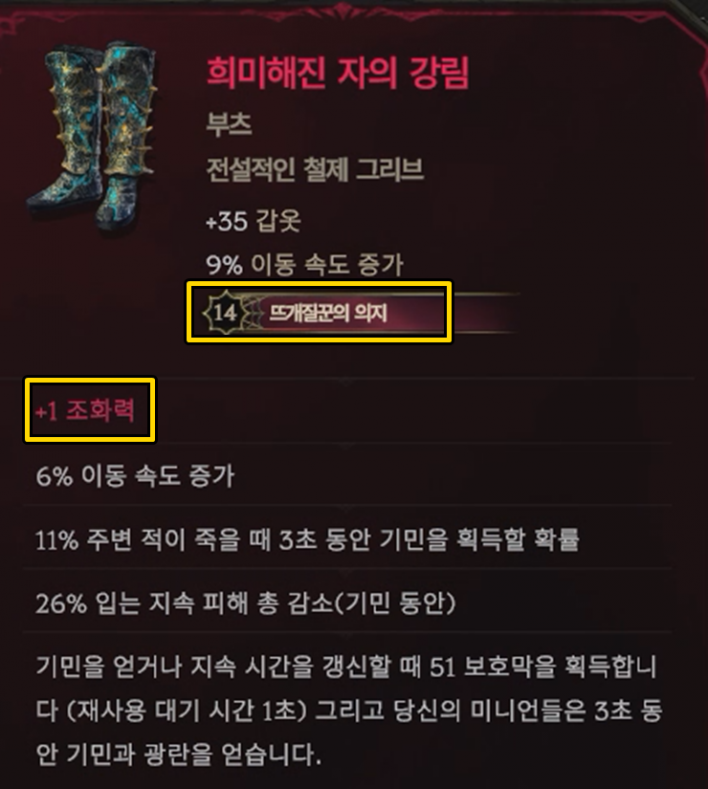
Because you can add or upgrade prefixes and suffixes at any time using the Forge, you don't have to wait for gear with perfect stats—simply finding a solid "base item" can be a great drop. Tier 6 and Tier 7 affixes in particular cannot be crafted and only drop as loot, making them even more valuable.
On top of that, searching for gear with high "Forging Potential"—which determines crafting capacity—or chasing high "Legendary Potential" to craft powerful Legendary gear adds another layer of fun to farming.
Some items carry a stat called "Weaver's Will" instead of potential. Rather than combining them with high-tier gear, these items gain affixes and grow on their own through combat, offering a unique progression experience.
3. Inventory Tetris to the Extreme! The Idol System
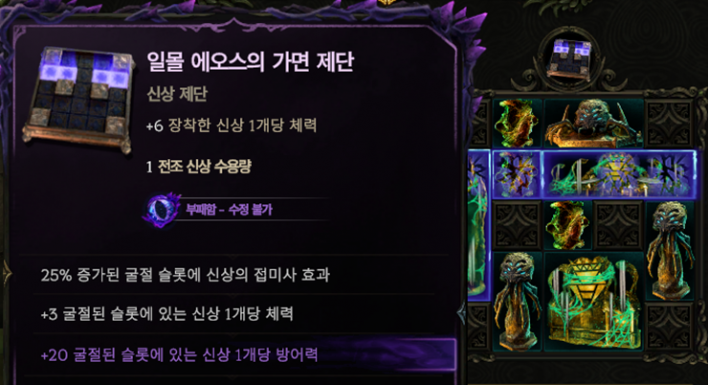
Idols are a type of auxiliary equipment fitted into an "Idol Grid" separate from standard gear slots. They offer a wide range of effects, from simple stat boosts to modifiers that directly affect specific skills. The grid layout and passive bonuses vary across different Idol grid setups, and Idols themselves come in various sizes.
The crucial detail here is that larger Idols taking up more space are not inherently superior. Because Idol affixes roll randomly just like regular gear, maximizing efficiency within your available space is paramount. For certain builds, specific affixes on Idols play a vital role.
Slots are unlocked by progressing through the campaign and completing side quests, meaning you must complete your quests diligently to bring out 100% of your character's potential.
4. Target Your Rewards! The 'Monolith of Fate' Endgame
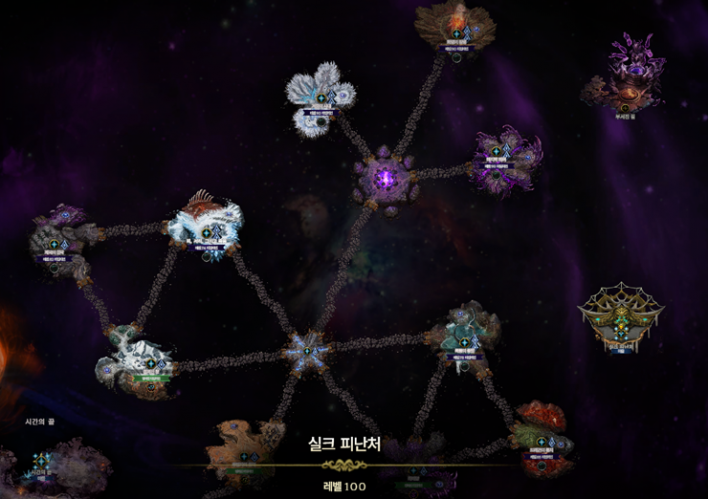
As you reach the later stages of the campaign, you enter the true endgame: the Monolith of Fate. Rather than grinding a single dungeon repeatedly, the Monolith has you travel through various "Timelines," each made up of different level ranges, zones, enemies, and bosses. Clearing "Echoes"—individual zones within a Timeline—clearly displays the guaranteed reward upfront, allowing you to route your farming path efficiently.
By clearing Echoes within a Timeline, you build up the Stability meter at the top. Once it's filled, defeating the Timeline boss grants you a Blessing specific to that Timeline. These are permanent buffs rather than temporary boosts restricted to the Monolith, and since their stat ranges are randomized, hunting for ideal Blessings adds to the endgame appeal.
Beyond standard Monoliths, reaching "Empowered Timelines" introduces the Corruption system. Higher Corruption makes enemies stronger while yielding better rewards, making it the ultimate test of how much Corruption your build can withstand.
5. Trade or Farm? Shops and the Trade System
In Last Epoch, you can buy and sell equipment through town vendors, but standard shops are not primary sources for gear farming. The true item economy expands in the mid-to-late campaign when you encounter Item Factions and specialized shops. Certain endgame content uses unique content-specific currencies instead of gold to access specialized vendors.
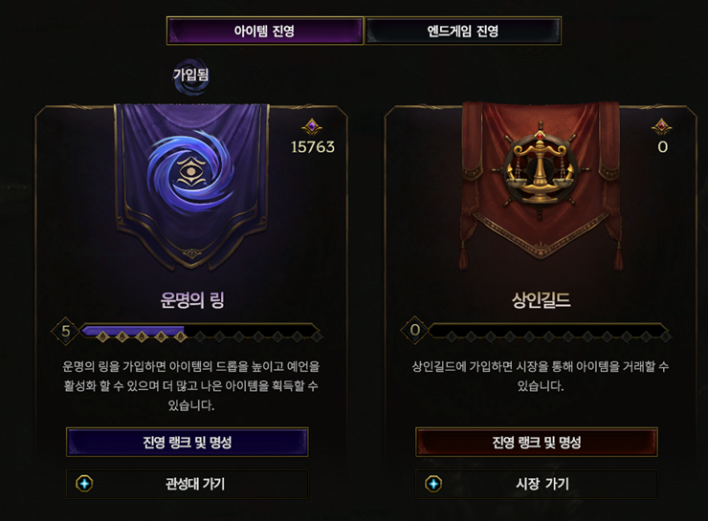
As you progress through the mid-to-late campaign, you must choose between two factions: Circle of Fortune and the Merchant's Guild. Your choice fundamentally alters how you obtain and trade items, so you should choose carefully.
Joining Circle of Fortune disables trading with other players, but grants item drop bonuses and allows you to acquire high-tier gear by fulfilling Prophecies. Conversely, joining the Merchant's Guild lets you trade with other players, search for specific affixes, and actively participate in the market. While Circle of Fortune focuses entirely on items needed for your own character progression, the Merchant's Guild raises the value of items that can be sold to others.
However, if you play with friends, there is no need to worry too much. Items dropped in the same zone while playing together can be gifted directly to party members who were present. Even if they weren't present at the time, playing alongside a specific player long enough earns you Resonance, allowing you to gift items to them.