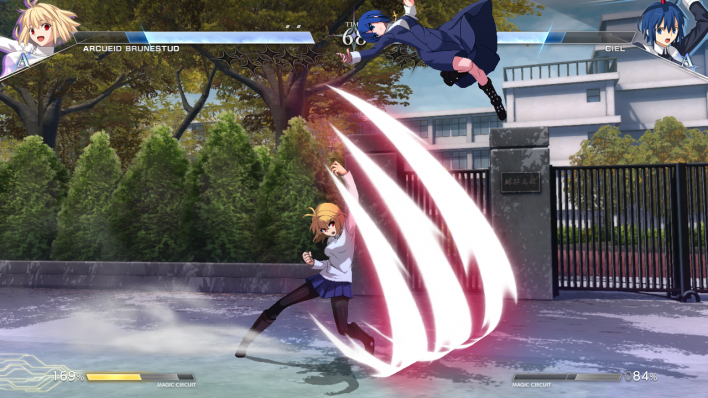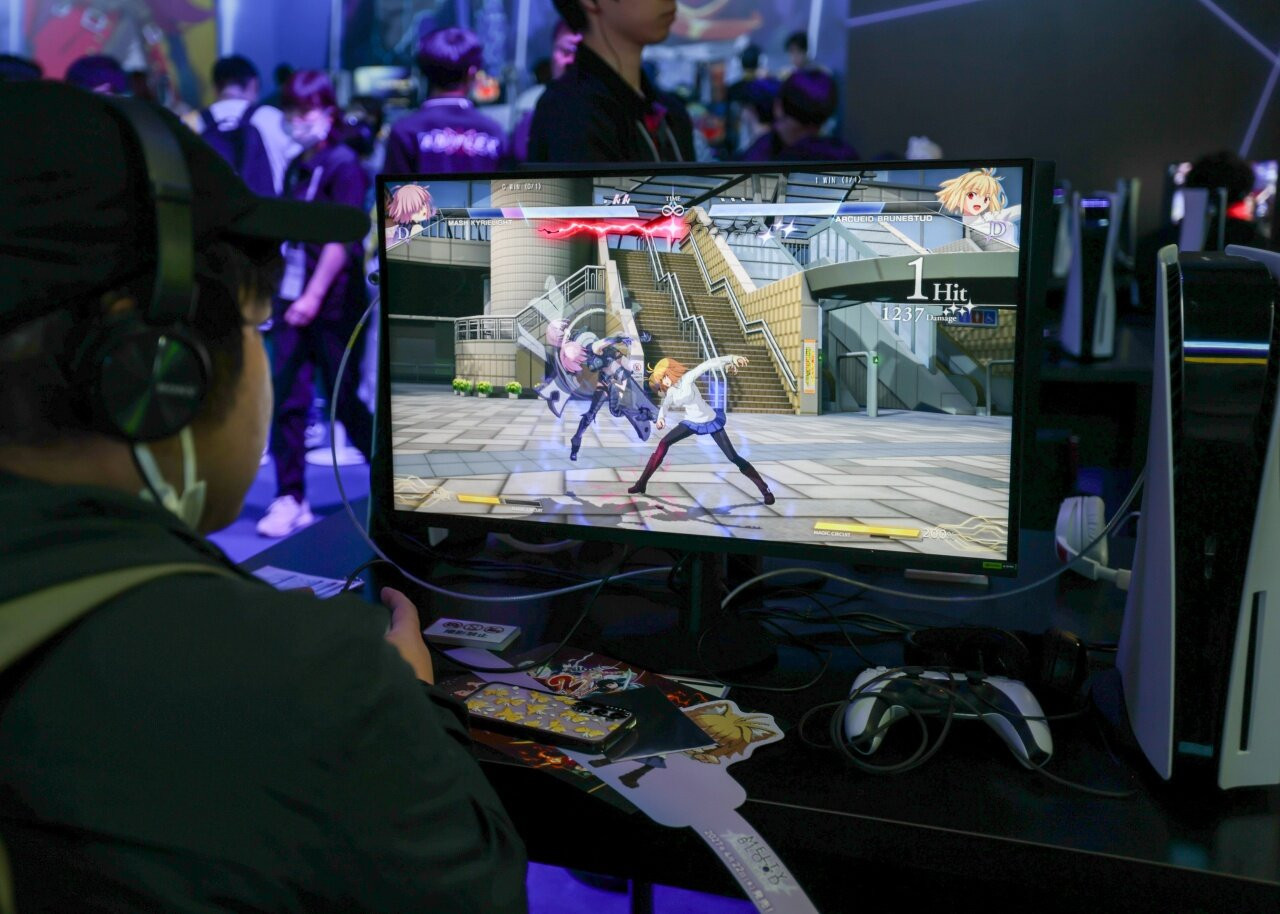
At TGS 2026, Aniplex held a hands-on demo and media briefing for Korean outlets covering its new fighting game based on the TYPE-MOON universe, "MELTY BLOOD: TWI-LUMINA." MELTY BLOOD: TWI-LUMINA is the latest entry in the MELTY BLOOD series, which originated as a doujin fighting game based on TYPE-MOON's flagship visual novel "Tsukihime." By deftly translating TYPE-MOON's unique and complex magecraft lore into fighting game mechanics, the series has earned solid acclaim among both original fans and fighting game enthusiasts.
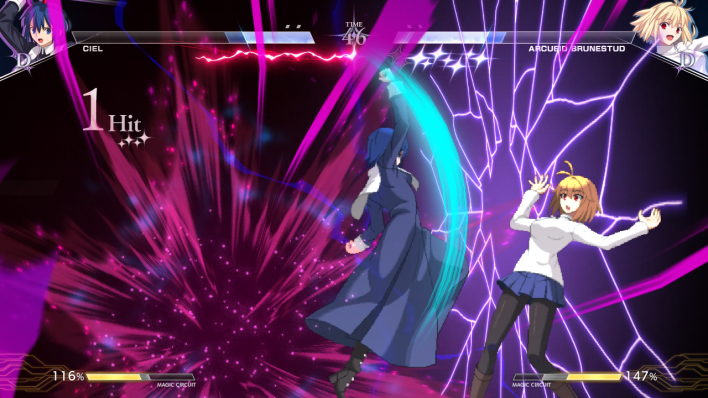
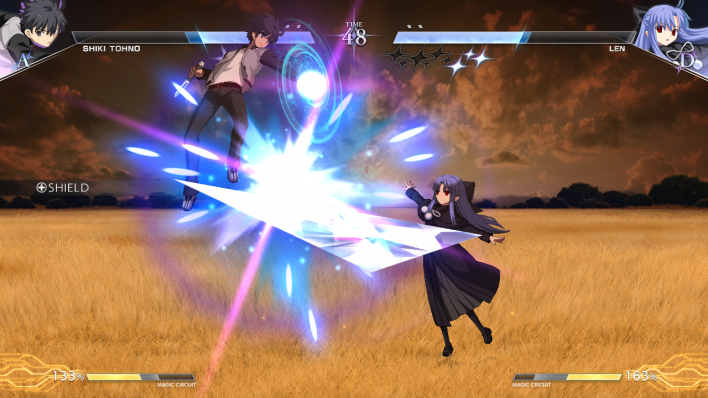
Prior to the briefing, the booth demo allowed players to test seven characters: Ren—a character many fans had eagerly anticipated—along with Shiki Tohno, Arcueid, Ciel, Roa, Neco-Arc, and Mash Kyrielight, who joins as a guest from Fate/Grand Order.
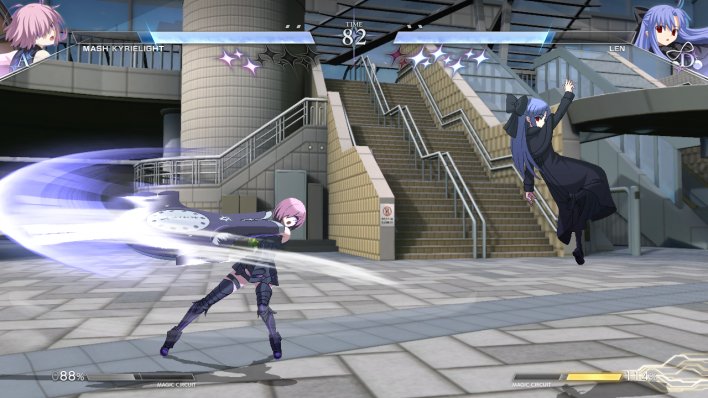
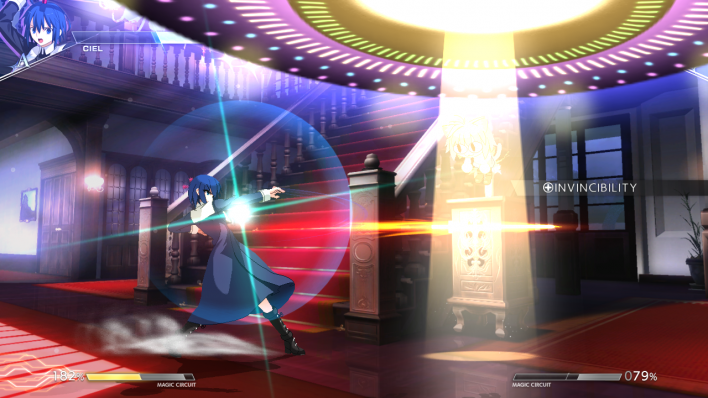
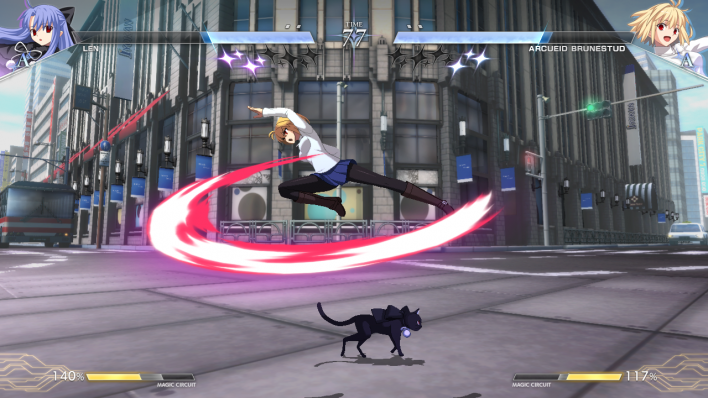
The demo allowed players to engage in battles against another player or the CPU without story content. In addition to "Rapid Beat," which executes combos simply by mashing basic attack buttons, the game adds "Act Mode," which further simplifies command inputs that were already accessible. On top of the existing Shield Counter, the game also adds the "Gauntlet" system—which allows players to attack while absorbing enemy hits with super armor—giving players more options to counterattack when pushed into a corner.
After experiencing its evolution as a fighting game, Director Kamone Serizawa of developer French-Bread took over to introduce Grand Scenario Mode.
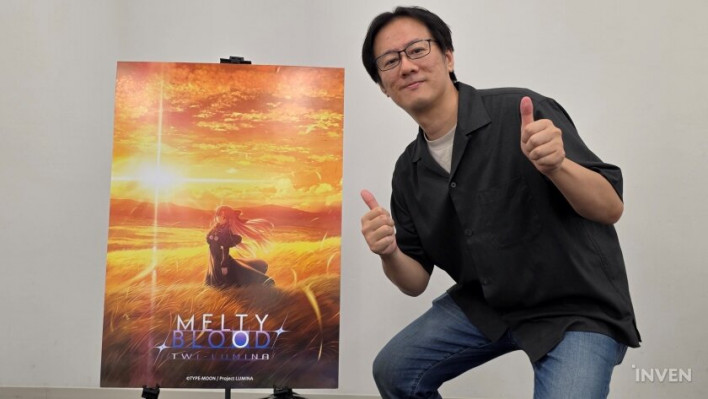
A 20-Hour Story Penned Directly by Kinoko Nasu, Paired with Refined Battle Systems
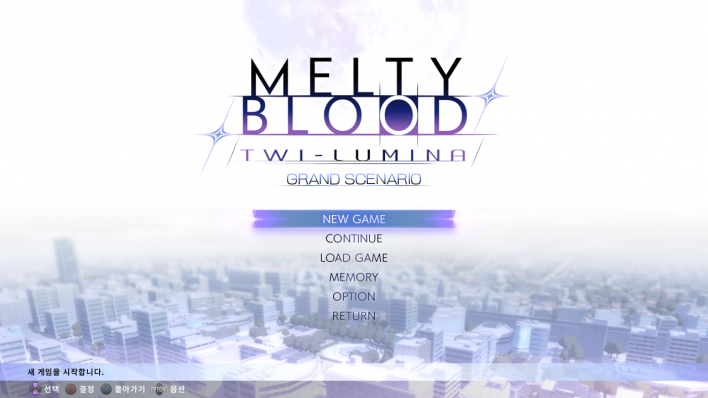
"MELTY BLOOD: TWI-LUMINA" consists of Lumina Mode, Grand Scenario Mode, and Battle Mode. This briefing focused primarily on Grand Scenario Mode, which features approximately 20 hours of story newly written by Kinoko Nasu based on Tsukihime.
Although it is a fighting game, a key highlight of this title is its heavy emphasis on story and presentation, allowing players to enjoy it through narrative alone. The demo opened with a monologue from Shiki Tohno and visual novel-style scenes. Delivering an atmosphere that felt familiar to anyone who played the original Tsukihime, it revisited the roots of the story centered around Shiki.
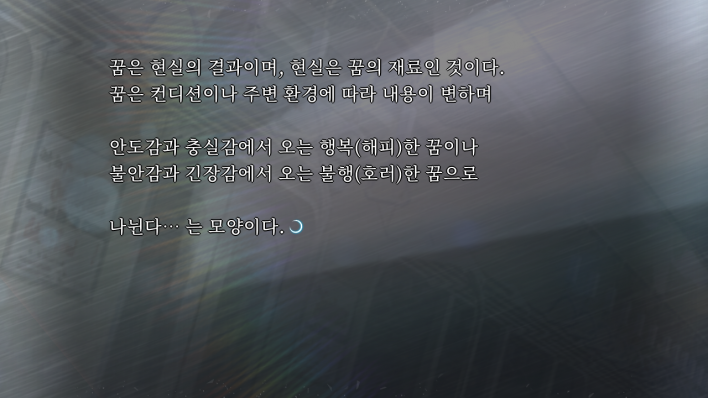
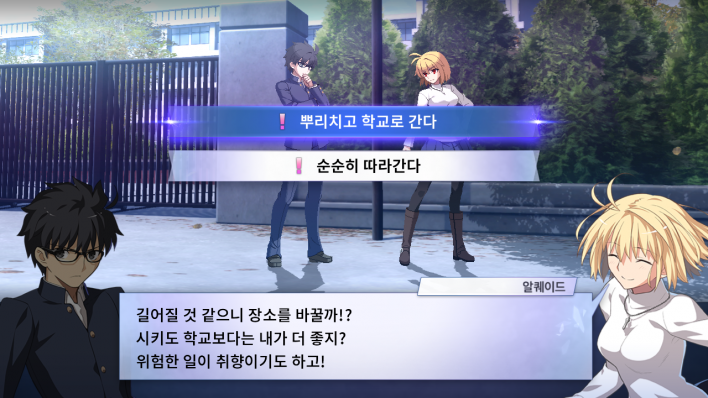
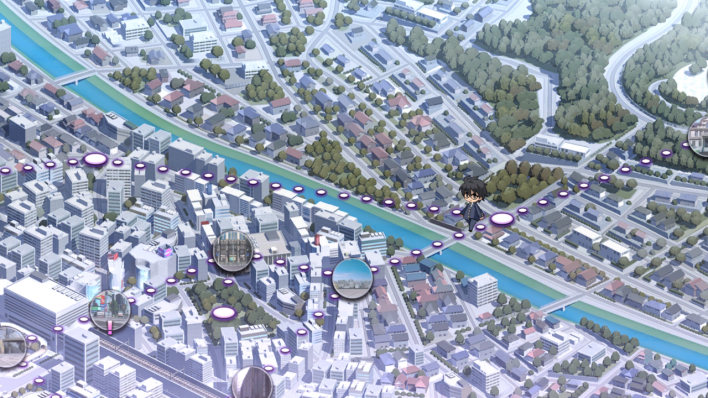
Afterwards, players navigated the map to complete quests, with stories unfolding according to the locations visited. Depending on the scene, the game utilized fighting character sprites and 3D backgrounds, varying the dialogue presentation and camera direction. Coupled with dedicated BGM, the structure delivers the story by seamlessly transitioning between Tsukihime's visual novel expression and MELTY BLOOD's fighting game screens.
In addition to serious scenes, there were also moments showing casual banter between Shiki and Arcueid. Here, players could choose whether to skip school to stay with Arcueid or return to school. In the demo, choosing to return to school led to a scenario where Shiki was transported to a strange space.
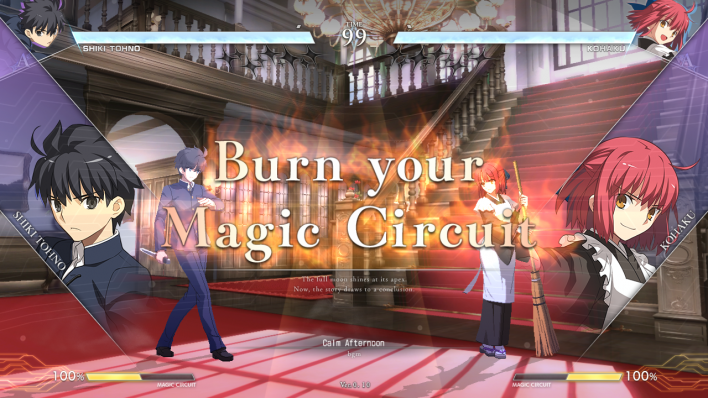
Next, a scene showed Shiki and Kohaku conversing at the Tohno residence. As dialogue progresses in this manner, player choices can suddenly trigger a transition into a fight. Combat takes place as 2D fighting battles, and depending on the scene, the match outcome can affect subsequent story developments. This format emphasizes a sense of direct involvement in the narrative through dialogue choices and hands-on battles.
Q&A
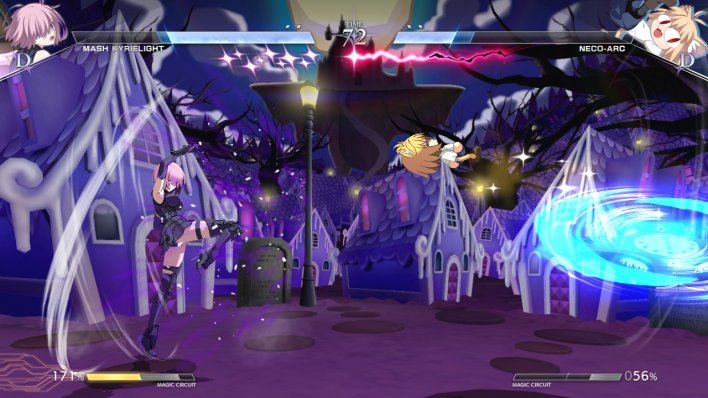
Mash was confirmed to appear in the demo. Does Mash also appear in Grand Scenario Mode? Since characters from Fate/Grand Order are appearing, we are also curious whether the scenarios of the two works influence each other.
" Thank you for playing the demo. Mash's appearance follows the momentum from our announcement at FGO Fes, the FGO Thanksgiving Festival. It was done with fans who love FGO in mind.
Since Kinoko Nasu conceives the world and scenario for TYPE-MOON works, her appearance in MELTY BLOOD follows that same design. However, it isn't strongly connected to FGO. You can think of it as reinterpreting Mash to fit the world of MELTY BLOOD, introducing her through new developments and methods. A few more FGO characters might appear as well. After all, Kinoko Nasu is personally writing the scenarios for both.
With Rapid Beat and simplified commands alone, the game was already beginner-friendly. What was the reason for adding Act Mode? Also, re-countering a Shield Counter has become more difficult—was this also an intentional change?
" You can view Act Mode as taking Rapid Beat a step further to make the game even more accessible. We intentionally created differences from the previous title's control feel, including how the Magic Circuit gauge is utilized.
Duel Mode features a control scheme almost identical to the previous entry, but refined to be slightly easier in line with TWI-LUMINA. Act Mode was introduced in hopes that players would enjoy the new game with a fresh feel. Since we are presenting this under the new name TWI-LUMINA following the previous game, we hope you enjoy it as a new experience.
Regarding Shield Counter, we believe the previous game, TYPE LUMINA, was a highly polished title in its own right. In the previous game, absorbing an attack with Shield almost always yielded a counter opportunity, resulting in a mechanic where you re-countered the opponent's Shield Counter. It had the benefit of feeling light and accessible.
We wanted to preserve those strengths while introducing changes. This time, we adjusted Shield in the direction of making it a 'powerful guard.' Depending on the player, this change might feel challenging. However, instead of repeatedly trading counters back and forth, we introduced 'Gauntlet,' so utilizing it will deliver a thrill that is both familiar and fresh compared to the previous game.
Recently, fighting games continuously add content post-launch through season passes and other means. The previous game added characters for free for a year and a half after release. What are your post-launch support plans for this title?
" Serizawa: TWI-LUMINA is not a title we are making to release and quickly wrap up. We want to make it a game that players can enjoy for over 10 years. However, as it is still a new title, it is difficult to speak specifically right now about how much or in what manner we will expand it in the future.
Aiming for a fighting game that can be enjoyed for a long time, we are devising various ideas for how to approach updates. Since TYPE-MOON has so many great works, I also personally hope to see a wide variety of characters appear.
I hope it remains a title loved for 10 years. While it is hard to go into specifics right now, please stay tuned and keep an eye on us going forward.