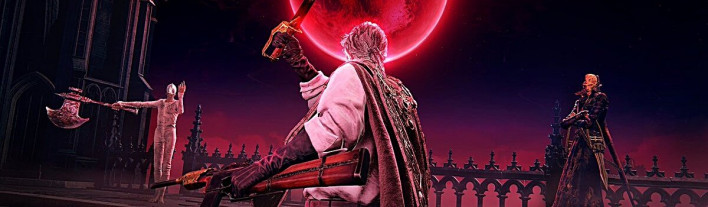
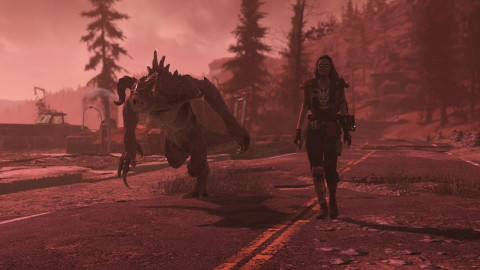
FromSoftware's new title 'The Duskbloods' will make its initial debut to gamers through a network test on August 21. Currently, only a fraction of information about 'The Duskbloods' is known: it is a Nintendo Switch 2 exclusive, an 8-player PvPvE multiplayer game based on the Soulslike genre, and centers its core worldbuilding around blood and bloodlines. In effect, aside from platform, genre characteristics, and world setting, almost nothing about its actual gameplay mechanics has been disclosed.
While eagerly awaiting the test, I received a welcome invitation from FromSoftware. It was an invitation to visit their headquarters to play the game hands-on and conduct an interview ahead of the test. As a longtime fan of FromSoftware and Soulslikes, it was an opportunity impossible to pass up. Thus, I visited FromSoftware and spent two full days dissecting and experiencing every aspect of the game.
How have FromSoftware's accumulated Soulslike expertise and multiplayer experience been woven into 'The Duskbloods'? Ahead of the network test, I would like to share my first impressions from playing 'The Duskbloods' firsthand.

Performance Matters More Than Graphics
Maintaining 60 FPS Even on Switch 2
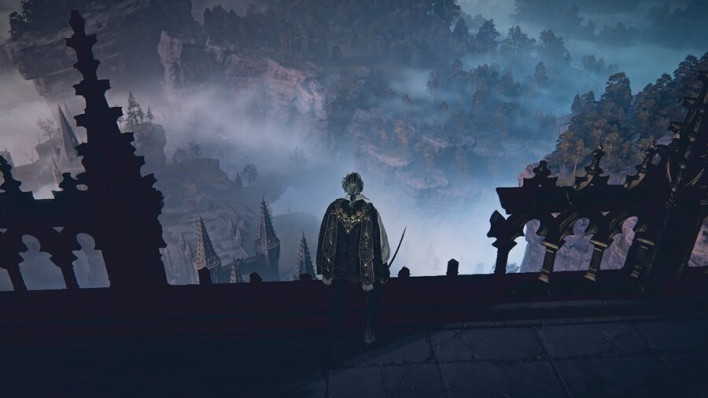
Even now, platform performance remains one of the primary concerns regarding 'The Duskbloods'—specifically whether Nintendo Switch 2 can handle it properly in terms of optimization and frame rate. Since I lacked specialized measurement equipment and was not in an environment to take precise numerical metrics, I want to clarify upfront that these impressions rely on felt experience. First, regarding frame rate, which most gamers pay keen attention to, the game generally felt like it maintained a steady 60 FPS.
However, it was not flawlessly locked without the slightest variance. Overall, I received the impression that it subtly hovered between 50 and 60 FPS. Fortunately, severe frame drops, screen tearing, or stuttering issues were not felt at all during this demo session. Considering that this was a network test build—an unfinished state—there is reason to anticipate stable 60 FPS support upon official release.
Resolution felt like a necessary sacrifice for frame rate—a matter of focus and trade-offs. While Nintendo Switch 2 docked mode supports up to 4K resolution, 'The Duskbloods' visibly fell short of 4K even at a glance. Titles that natively render full 4K on Switch 2 are rare, with most supporting around 1440p via upscaling, whereas 'The Duskbloods' appeared to run at a lower resolution estimated at around 1080p.

There was no option to select graphics modes either. Considering that modern console games increasingly offer choices between a 4K high-resolution 30 FPS Graphics Mode and a 1080p (upscaled 1440p) 60 FPS Performance Mode, 'The Duskbloods' appears to have intentionally standardized resolution and performance around a 60 FPS baseline to deliver a uniform experience to all players.
For 'The Duskbloods'—a Soulslike action game—this choice to target a single 60 FPS mode made complete sense in many ways. In Soulslikes and action games, frame rate is far more vital than visual elements like resolution. In fact, players rarely form negative impressions solely because of lower resolution. On consoles, visual differences between Graphics Mode and Performance Mode are difficult to spot unless compared side-by-side. Frame rate, on the other hand, is critical; the difference between 30 FPS and 60 FPS in gameplay feel is night and day.
Ultimately, for a Soulslike action title like 'The Duskbloods', choosing frame rate over graphics to secure responsive gameplay felt like a rational decision in every respect.
Six Kinsfolk Armed with Distinct Appeal
Character Balance Still Needs Polishing
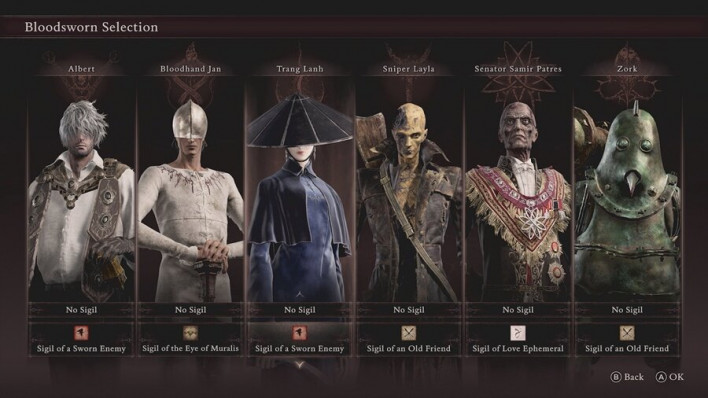
The playable characters in 'The Duskbloods' are called Kinsfolk. As the name suggests, put simply, they are vampires. They possess distinct characteristics ranging from appearance to melee and ranged attack methods, as well as unique signature abilities called Kinsfolk Skills. As this test took place over two days for about 7 to 8 hours, I was able to thoroughly experience every Kinsfolk.
Albert is a classic all-rounder with flawless attack power and speed in both melee and ranged combat. His Kinsfolk Skill follows a similar nature; his ability to fire blood blades is less of a devastating single hit and closer to a harassing tool woven between normal attacks. The laser skill unlocked by leveling up delivers multi-hit damage, but carries the fatal drawback of rendering him immobile while firing.

This well-rounded nature without specialization acts as a double-edged sword for Albert. While anyone can handle him easily and he lacks glaring weaknesses, conversely, it means he lacks a standout strength. From that perspective, he can be called a safe, reliable character whether you like it or not.
Jan, who generated buzz in trailers for his thermal-undergarment-like appearance, is a melee-specialized Kinsfolk. His massive one-handed axe and the fire activated by the magic stone embedded in his left hand exert immense force at close range. His passive skill supports this playstyle: attacking an enemy immediately after taking damage allows him to recover lost health, and even without taking damage, he can restore health with heavy attacks. His Kinsfolk Skills are also packed with power, such as boosting dodge performance or slamming his axe into the ground to emit surrounding slashes.
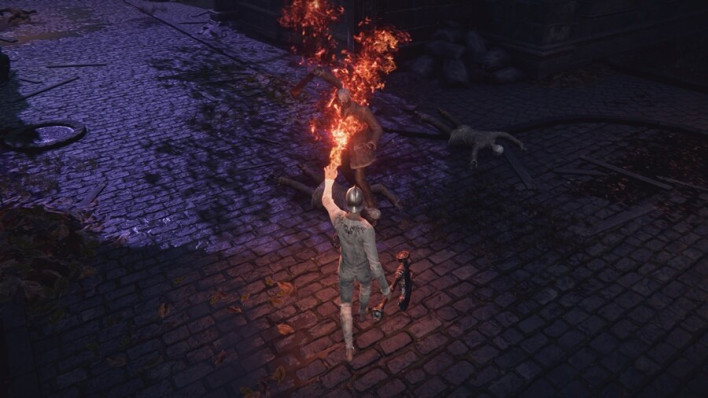
Looking only at this, Jan seems overwhelmingly strong, but due to his weapon characteristics, his attack speed is slow and his fire range is relatively very short. Considering that 'The Duskbloods' features a fast overall pace compared to previous FromSoftware Soulslikes, he is a character with a relatively higher skill execution threshold.
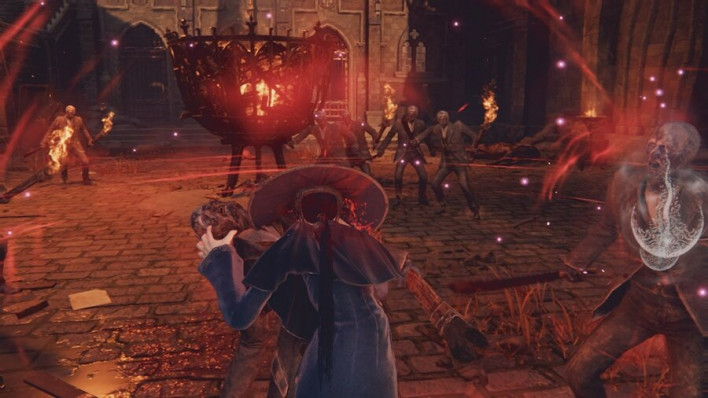
Trang Lanh was a Kinsfolk whose performance felt somewhat ambiguous in this test. Trang Lanh's defining feature is that drinking the blood of a minor mob turns surrounding minor mobs into minions as well. However, to drink a mob's blood, you must first put it into a groggy state, but most mobs died before reaching that point, making it difficult to expand his minion army effectively.

Furthermore, even when successfully turning mobs into minions, their performance was underwhelming, and they all disappeared upon transitioning to the next phase, leaving the impression that they were practically useless. On the bright side, he could use stealth via his Kinsfolk Skill to ambush or escape, but compared to other characters' Kinsfolk Skills, it felt lacking in many respects.
Samir Patres is a Kinsfolk who can be described as a technical fighter. His melee attacks consist of thrusting motions, while his ranged attacks fire bird-shaped summons with a degree of homing capability. His melee is solid, but his ranged option seemed to be a matter of personal preference. However, he possessed the distinct advantage of chaining ranged attacks directly into melee follow-ups.

His second Kinsfolk Skill, unlocked by leveling up, involves transforming into a dinosaur to charge for a body slam or biting and throwing enemies, which could induce ring-out deaths in PvP (there is no fall damage, but certain instant-death drop zones exist). Due to these features, he was regarded overall as a character heavily dependent on player skill.
Zork received the lowest evaluation in this test. While he possesses a special ability to consume stamina and use continuous roars, the actual need for this roar was hardly felt. Roaring is a skill shared by all Kinsfolk that deals no damage, but when used on minor mobs, it inflicts a brief stagger. However, rather than spending time roaring, it was considered far better to just eliminate them outright, so as mentioned, it was rarely utilized.

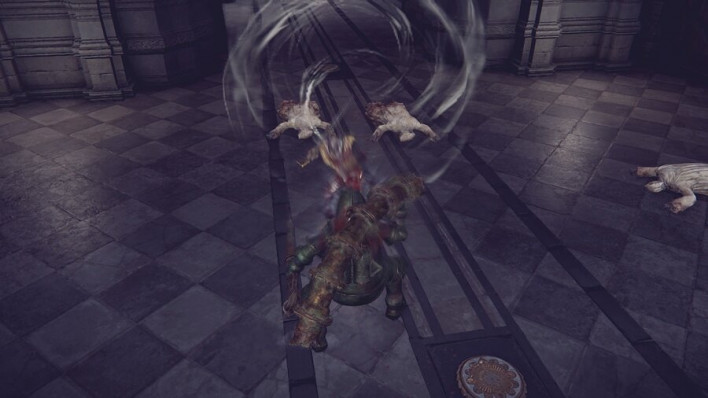
To make matters worse, his ranged weapon, a harpoon gun, suffered from being far too slow without offering a devastating single shot to compensate. The same applied to his melee combat. Stripping a giant submarine cable to use as a weapon, it was slower than Jan's attacks while being only slightly stronger. However, that minor damage difference was insufficient to offset the sluggish attack speed, giving the impression that he felt even weaker than Jan. His skills were decent when facing monsters like strong foes or invaders, but because there was a delay between aiming and activation before charging or firing missiles, enemies in PvP could easily dodge most of them, making his utility feel ambiguous.

Along with Albert and Jan, Layla—a Kinsfolk specialized in ranged combat—was among the most popular in the test. Wielding a rifle, her rate of fire was somewhat low, but each shot hit hard, making her pull her weight not only in monster encounters but also in PvP. Her skills also fit her long-range specialization concept; turning into dust to quickly widen distance or summoning a Gatling gun from inside her body demonstrated excellent performance in both PvE and PvP. In exchange, she showed a somewhat weaker side in melee using katars, but this was closer to being weak relative to her ranged power, giving the impression of well-balanced design.
In summary, based on the hands-on experience, Albert, Jan, Layla, and Samir possessed solid features and balance, whereas Trang Lanh and Zork were somewhat disappointing. Zork in particular was slow in both melee and ranged without an overwhelming single blow, giving the impression of being the weakest character despite his striking visual design.
Of course, this does not mean those two are at an absolute disadvantage. Utilizing Guard Counter—which triggers when counterattacking immediately after blocking an enemy attack—and 'Evasion Cancel' (tentative name)—which triggers with a unique sound effect when dodging with precise timing right after an attack—allows movement without consuming stamina. In other words, depending on player skill, these drawbacks can certainly be overcome. However, this merely means a weaker character can defeat a stronger character through skill gaps; it does not resolve the character gap itself. As such, fundamental balance adjustments will be needed in the future.
Attacking Doesn't Consume Stamina?
And There's an Evasion Cancel?

The biggest difference from existing FromSoftware Soulslikes lies in stamina management. Although it varies slightly by title, previous FromSoftware Soulslikes required stamina for almost every action, including dodging, attacking, and guarding. This meant that even when an opening appeared, attack opportunities were limited. However, 'The Duskbloods' is much freer from these constraints.
While dodging still consumes stamina, attacking itself—whether melee or ranged—consumes no stamina at all. This means that when a formidable foe or invader falls into a groggy state, you can shower them with attacks without worrying about stamina until they stand back up. On top of this is the aforementioned Evasion Cancel. Dodging with precise timing within a very short window right after an attack allows you to dodge without consuming stamina. Theoretically, if you master this Evasion Cancel, it is possible to alternate between attacks and dodges while consuming no stamina at all.
However, to clarify so there is no misunderstanding due to terminology, this does not mean motion canceling is possible. The combat system, animations, and mechanics of 'The Duskbloods' are presumably built on the foundation of FromSoftware's accumulated Souls series, particularly its latest title, ELDEN RING. In short, it is closer to adding a faster sense of speed and polish on top of the existing FromSoftware Soulslike framework.
Four-Phase Session Structure with No Death Penalty
Brisk Action Passes, Build Diversity Still Lacking
Explanations of game systems such as the session format will be left to the preview. Instead, I would like to talk about the 8-player PvPvE play experience here. First, the overall gameplay feel is close to expanding ELDEN RING Nightreign (hereafter Nightreign) by adding PvP elements. From that perspective, Soulslikes—especially original FromSoftware titles—often felt clunky in combat systems and overall animations because they focused on precise offensive and defensive exchanges, but I barely felt that impression during this demo.
Particularly satisfying were the various jump actions. In Soulslikes, you often feel frustrated when you have to loop all the way around a clearly visible obstacle, but 'The Duskbloods' added triple jumps, high jumps, and jump dodges to eliminate almost all of that frustration. The addition of these mobility moves went beyond providing mere traversal comfort. They played a huge role in combat as well, such as dodging charge attacks with a jump, quickly closing distance, or occasionally widening it.

Controls aren't the only thing that reduced frustration; recovery items did as well. Due to genre characteristics, traditional Soulslikes provided limited healing items that had to be saved for when truly needed, but 'The Duskbloods' was somewhat different. While it is identical in that the 'Stake of Golden Blood' has limited uses, it differed in that it can be gradually refilled during combat. For example, if you use 2 out of a maximum 4 uses, killing minor mobs fills up the healing item stock gauge, and once full, 1 additional use is added. Furthermore, transitioning to the next phase refills it to maximum, and the maximum stock itself can be expanded during a session, so anxious situations from lacking healing items rarely occurred.

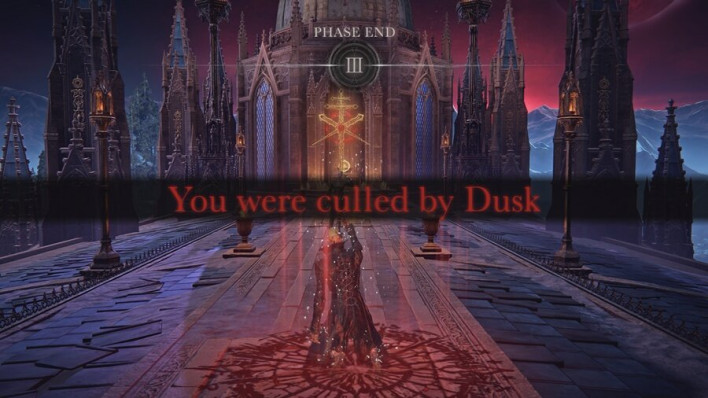
The fact that there is virtually no death penalty also felt positive personally. Since you can revive regardless of how many times you die, almost no death-related stress was felt. However, that doesn't mean there is zero death risk. Because you lose time while waiting to revive, you can fall behind others in accumulating Virtue. For top-ranking players, it isn't a huge issue, but for lower-ranking players who need to build Virtue quickly, this time loss is painful. Nevertheless, offering unlimited revive opportunities before each phase ends was considered a clear advantage.
In particular, since all 8 players are maintained regardless of Virtue until Phase 3, if you didn't build much Virtue in Phase 1, you can craft a strategy to raise it as much as possible in Phase 2. Personally, I even formulated strategies while looking at other players' Virtue figures revealed after each phase. In matches where I accumulated Virtue quickly during Phases 1 and 2, I focused on leveling up or enhancing through defeating strong foes starting from Phase 3. Conversely, in matches where I focused on early growth, I concentrated on raising Virtue later. This strategy was possible precisely because there was no death penalty and diverse ways to accumulate Virtue.
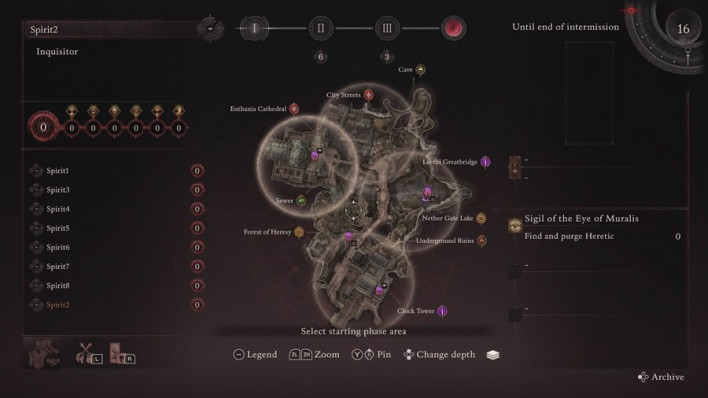
One unique aspect is that the locations of enemies from minor mobs to strong foes are mostly fixed regardless of session and phase. Thanks to this, once you become familiar, you can quickly design growth routes, and doing it well allowed clearing three or four strong foes in an instant. However, this fixed placement is a double-edged sword. So-called popular areas can draw an equal crowding of other players. It was expected that diverse strategies utilizing location info would emerge, such as turning this around to target quieter spots.
In the case of invaders, their location changed every time, but it didn't hit very dramatically. When someone fought an invader, co-op combat was automatically established, so there was practically no difference other than who killed it first. However, tactical choices are still possible here. Joining co-op combat is a choice rather than mandatory, so players can forgo it and choose to defeat minor mobs or strong foes instead.
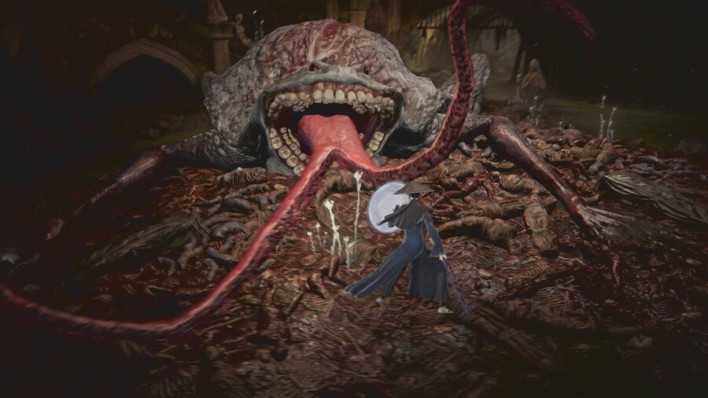
In fact, even if you die while fighting an invader, returning allows you to rejoin the fight. However, dying in low-HP situations renders past effort useless, which led most players after several games and familiarity to show a tendency toward targeting safer strong foes rather than invaders. In short, it poses a choice: aim for high-risk high-reward against invaders, or opt for low-risk low-reward by defeating strong foes in the meantime.
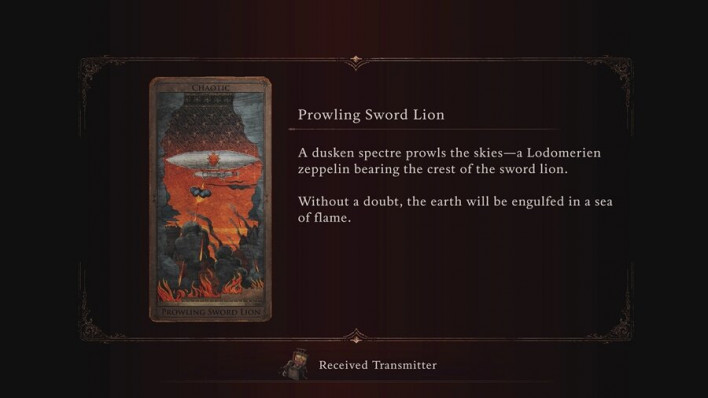
Events are elements that add variation to phases. They occur randomly before a phase begins, serving as variables that break formulaic patterns. For instance, if you pre-planned a fast growth route centered around strong foes, but a lightning bolt strikes followed by an event that randomly scrambles player locations, you must devise a new strategy accordingly. You can open the map anytime and fast-travel to points in each region, but time is the issue. Since time is lost in that process, in such situations it is better to abandon the original plan and boldly farm in the relocated area.
In fact, after realizing through several matches that enemy locations were generally fixed, I used to play with my own route planned even during the short demo time. During that, when an event featuring a massive surge of special monsters that empower Kinsfolk Skills occurred ('Blood Sack Festival'), I boldly abandoned my original route to hunt down as many of these monsters as possible. Giving enhancements related to Kinsfolk Skills—such as cooldown reduction, increased attack counts, and increased attack power—it provided a particularly massive advantage to characters who rely on these skills as their main output.
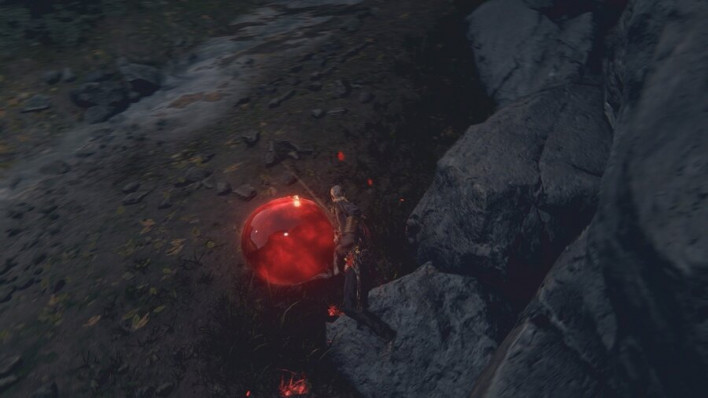
When three phases end, a battle royale begins among the top three players who gathered the most Virtue. This final phase is called 'Moon Blood Bestowal'. Each player is given two revive opportunities, and the top player in Virtue receives an additional HP bonus buff. Since it unfolds in a dedicated arena, it is close to a chaotic brawl, but strategic play is not impossible. For instance, since who holds 1st place in Virtue is known before the phase starts, 2nd and 3rd place can implicitly team up to target 1st place first. In fact, after placing 1st a few times, 2nd and 3rd place immediately targeted me as a priority.
However, this does not mean 2nd and 3rd place formed an official alliance as described later. Since alliances are impossible in Phase 4, this joint attack remains merely implicit cooperation where 2nd and 3rd place could also attack each other. Nevertheless, two players charging simultaneously is inevitably a heavy burden from 1st place's perspective. Yet this pincer attack isn't absolute. If you properly scale status effect resistance, defense, and attack power while skillfully utilizing Guard Counters and Evasion Cancels, a two-on-one assault can certainly be overturned.

Meanwhile, while progressing through sessions, individual character mission elements called Stigmas were also observable. Functioning as mechanics that alter relationships with other users, for instance, if Player A and Player B both select Enemy Stigmas, simply defeating the opponent when they meet yields significantly more Virtue. It's not limited strictly to combat types either; various forms exist, such as types requiring forming alliances with users holding specific Stigmas.
In this demo, 4 types of Stigmas were confirmed in total—2 types of elimination Stigmas and 2 types of alliance Stigmas. However, despite being designed as elements to induce role-playing like chasing/being chased or seeking alliances, most players in the actual demo didn't seem to pay much attention to them.
Since the Virtue or advantages gained from achieving a Stigma were not that significant, when casually running into an opponent with an Enemy Stigma, players merely welcomed it lightly saying "Oh, my enemy Stigma? Sweet, bonus!", while rarely going out of their way to hunt down Stigma targets. Ultimately, the issue lay in reward design. To provide incentives for players to actively hunt Stigma targets instead of standard gameplay like farming minor mobs or strong foes, improvements offering clear Virtue or concrete benefits seem necessary.
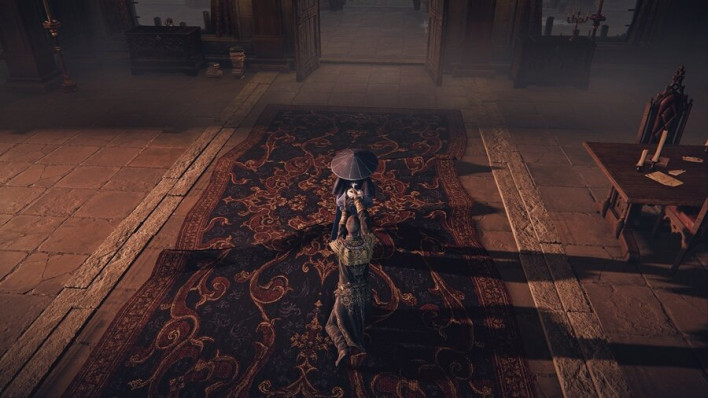
Although 'The Duskbloods' offered quite impressive PvPvE fun, there were also areas of disappointment. Namely, the formulaic nature of builds. While 'The Duskbloods' is not a roguelike genre title, some growth elements resemble roguelikes. The 'Blood Rose' that appears upon defeating strong foes and invaders is a prime example. While these random growth elements could grant powerful effects early on or alter a character's combat style depending on luck, such dramatic shifts were not felt in this demo.
For example, I expected dramatic changes where Albert's ranged attack—originally a mere harassment tool—could become stronger than melee normal attacks upon acquiring consecutive related enhancements, or Jan's ranged attack range/area could expand drastically to shift his playstyle entirely. In reality, it ended at becoming stronger within set boundaries. As a result, despite playing dozens of matches, playstyle, flow, and even growth patterns repeated similarly every time.
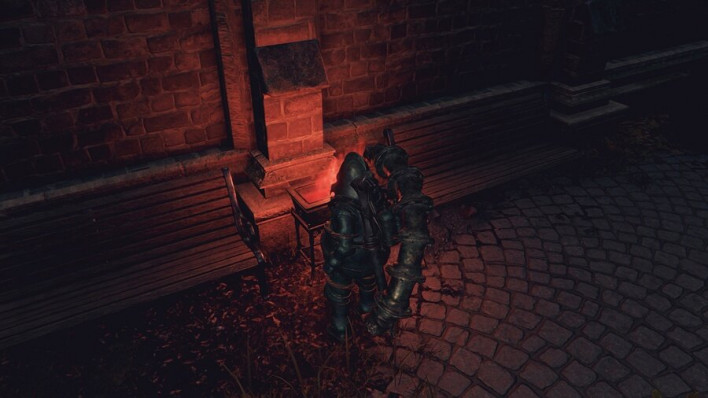
Ultimately, this inevitably leads to formulaic responses in PvP as well. For instance, predictable tactics become established, such as simply widening distance as much as possible when facing Jan. To diversify these responses, unpredictable elements seem needed in growth patterns. Of course, since this is just the first test phase, such feedback might be somewhat premature. However, for a multiplayer game where delivering distinct fun each match is key, build diversity is an area to keep a close eye on alongside character balance.
Burdensome Alone, But What About Together?
Kin, Alliances, and Duo Mode
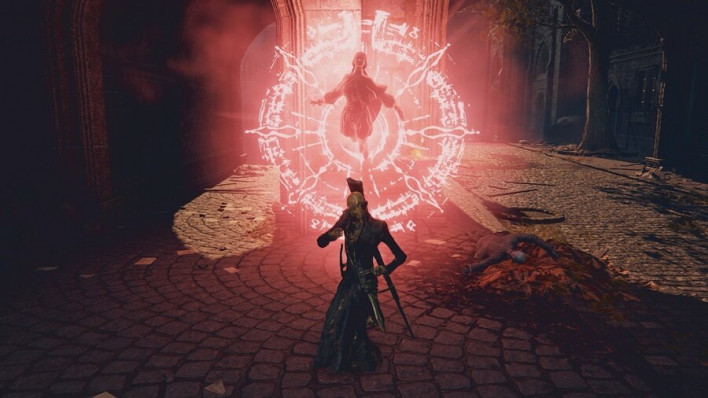
In multiplayer games, solo play is a matter of personal preference in many ways. Even more so when it comes to PvP. 'The Duskbloods' eased the burden of solo mode somewhat by allowing revives anytime without a death penalty, but it merely reduced it; the inherent pressure didn't disappear entirely.
'The Duskbloods' features several systems to alleviate this pressure. First is 'Kin', which function like summons. You can enter a contract at yellow symbols located throughout the field, and they accompany you throughout the session. Kin possess distinct appearances and characteristics, split largely into three types—melee, ranged, and support—allowing for diverse combinations.

For melee-specialized Jan, players would typically pick ranged or support Kin, but that isn't mandatory. Choosing a melee Kin to continuously press enemies together is also an option. Whichever combination is chosen, they pull their weight effectively.
Alliances can also serve as a strategy. Requesting an alliance in solo mode that the opponent accepts forms an alliance. Looking at it this way, alliances might seem unconditionally advantageous, but that isn't necessarily true. Because EXP and Virtue are split by default, if your growth route gets twisted, it can end up worse than playing solo. Yet you can't blindly break an alliance either, as breaking it inflicts proportional losses. Furthermore, entering the final phase automatically dissolves alliances, so if you're not careful, you might end up raising a formidable enemy yourself.

In contrast, Duo Mode carries almost none of this burden. The difference from solo alliances is that while solo calculates Virtue individually, Duo calculates it cumulatively; the final phase proceeds as 2v2 rather than a 3-player battle royale; and you stay with your partner through the final phase. Essentially, you gain a reliable ally throughout the entire session. In fact, most participants at the FromSoftware headquarters demo praised Duo Mode, stating, "Staying with a partner until the final phase where you can pull each other along makes it far less burdensome."
Demonstrated the Potential of FromSoftware-Style PvPvE
Successful First Impression, Now Time to Show Lasting Appeal
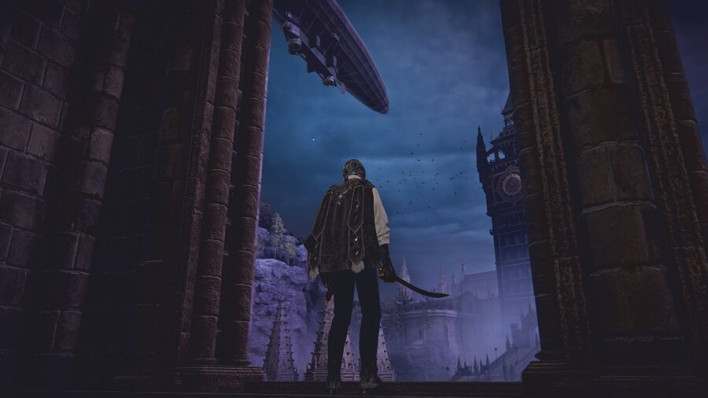
I think this demo was an opportunity to experience only a fraction of 'The Duskbloods' content. The map was limited to Roan Street, Kinsfolk were restricted to six, and Kinsfolk Skills were fixed. The same applied to character customization elements beyond appearance. It felt like a demo where most features were locked, offering just a small taste of the gameplay 'The Duskbloods' aims for.
Nevertheless, 'The Duskbloods' offered a distinct sense of fun. What stood out particularly was the PvP element. Nightreign was a co-op-based multiplayer game that fostered teamwork unfelt in original ELDEN RING through defeating bosses together, but felt somewhat disappointing because PvP elements were absent. In that regard, 'The Duskbloods'—finally adding PvP onto PvE—can truly be called a game long waited for.
Of course, it is true that many aspects still require polishing in terms of balance. However, such balance adjustments are on the easier side compared to the various homework assignments 'The Duskbloods' must solve moving forward.
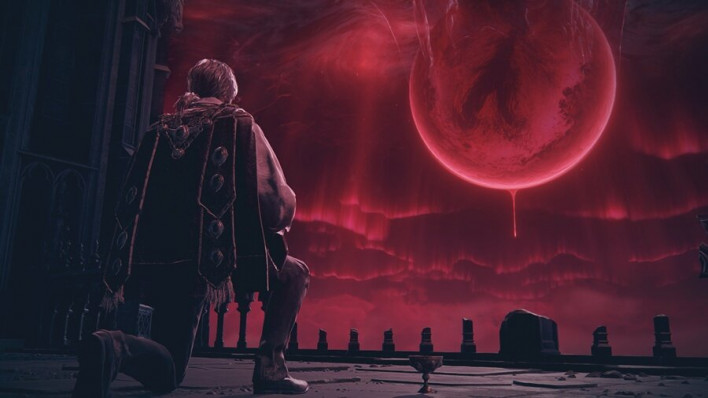
What 'The Duskbloods' needs to show going forward is charm that grows deeper over time. Multiplayer games cannot be fun for only a couple of rounds. At the risk of exaggerating, even when repeated dozens or hundreds of times, it must remain fun while generating different variables and thrilling gameplay every match. Regrettably, I didn't feel that level of 'lasting appeal' during this demo, but discovering what needs to be solved is a meaningful task for FromSoftware in itself.
After all, isn't that what tests are meant to confirm? To Soulslike fans, FromSoftware is a prime example of a trusted developer. Based on this feedback, I hope 'The Duskbloods' will also become such a title.