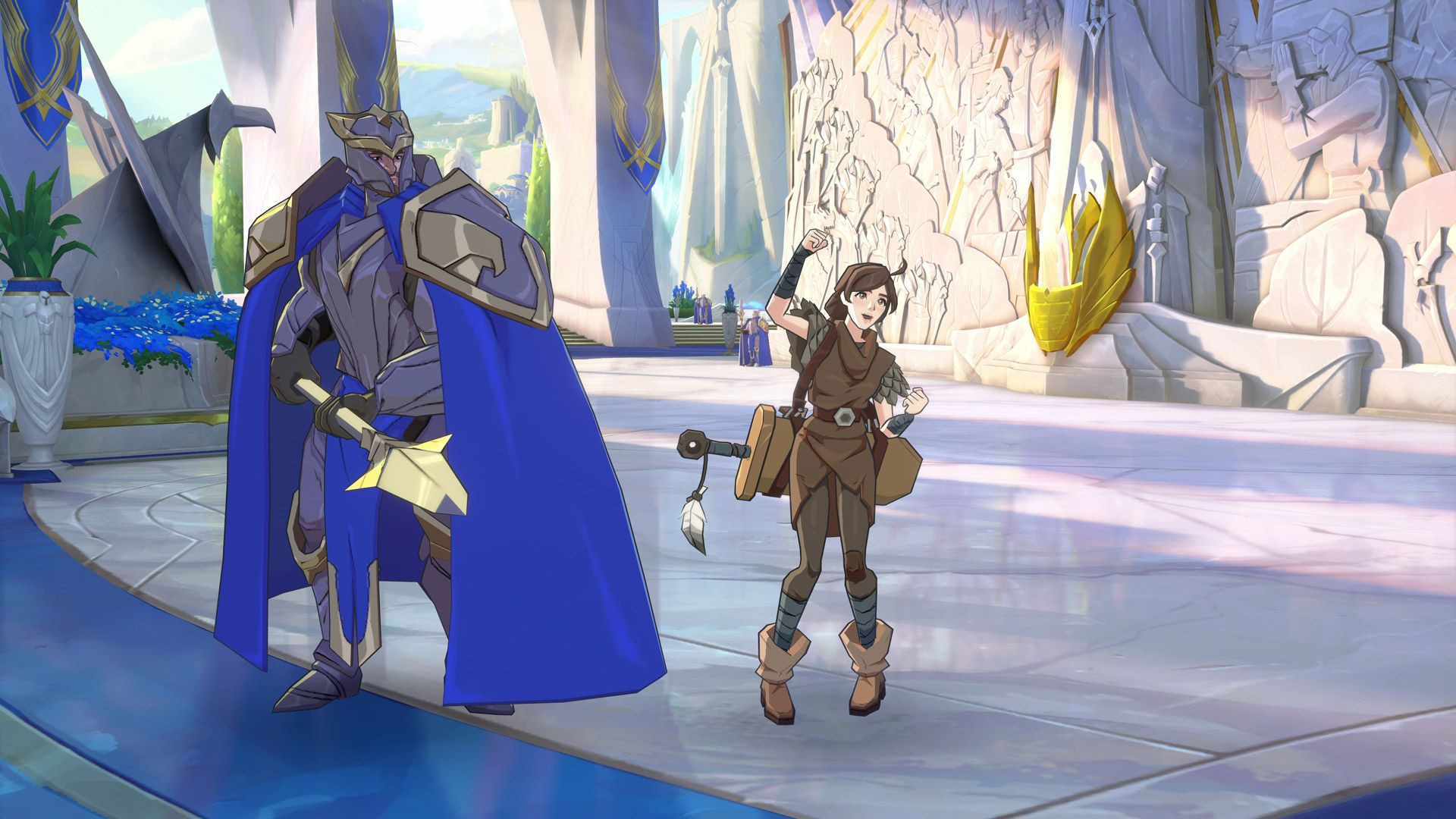
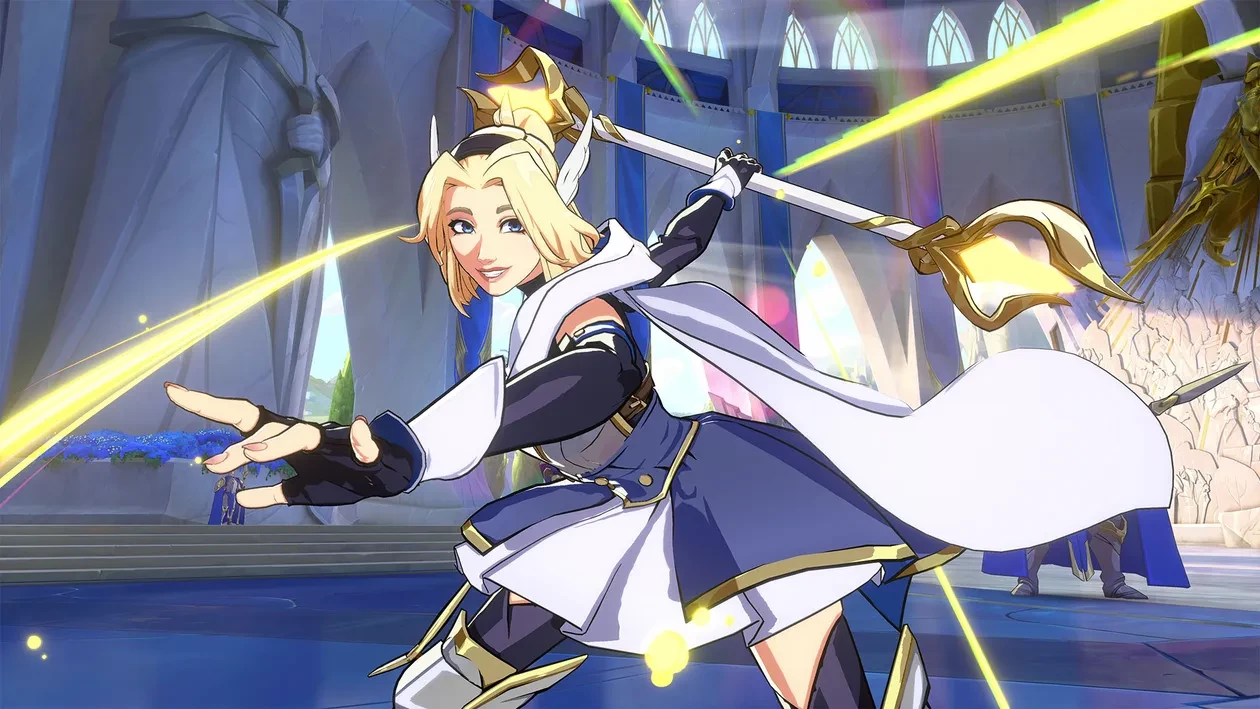
Riot Games Co-founder Marc Merrill has blamed a lack of internal alignment for the struggles of 2XKO, the League of Legends fighting game that had its live development cancelled.
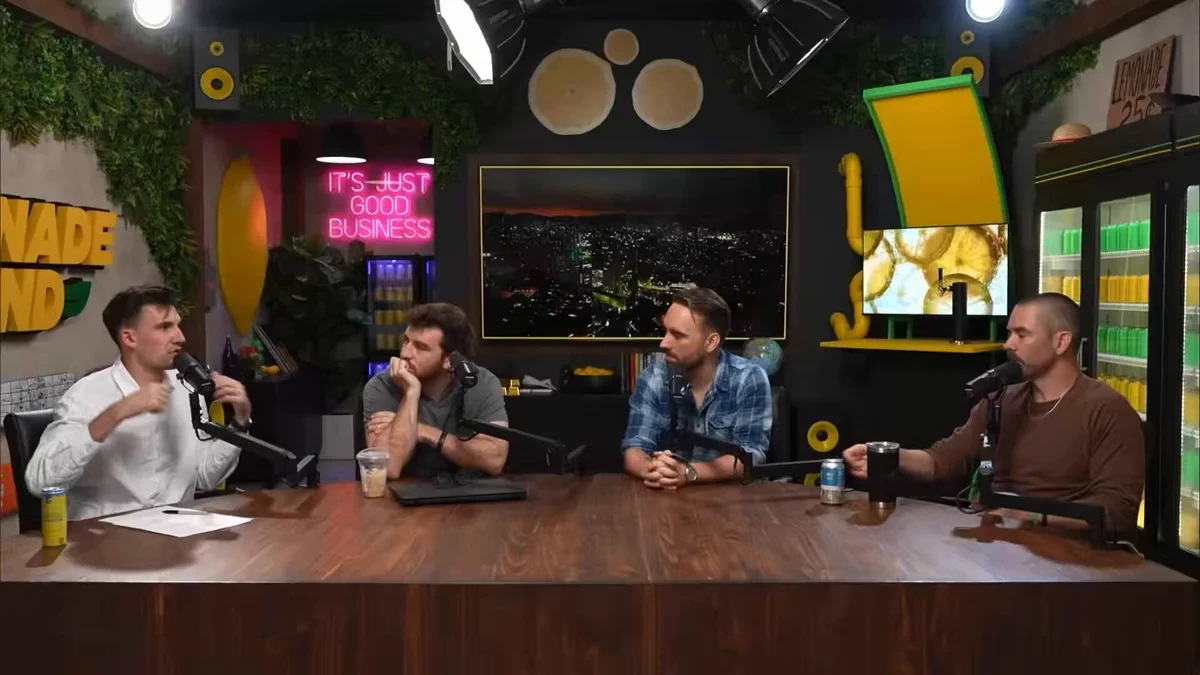
Speaking on the Lemonade Stand podcast, Merrill said Riot had “nobody to blame but ourselves” for how the project turned out. He explained that 2XKO resonated with some players, but not nearly enough to support the live service model it was built around. Live service games are titles that keep receiving new content and updates long after launch.
Riot instead pivoted to releasing 2XKO as what Merrill called a “box” game, a finished product without those ongoing updates, and gave players refunds. Merrill described the message to the community as an apology. “We weren’t able to achieve the incredibly high aspirations that we’re trying to do for the fighting community, but we love you guys,” he said.
Where 2XKO went wrong
The game’s story goes back to 2015, when Riot bought developer Radiant and started partnering with the Cannon brothers. According to Merrill, the original plan was to build on Rising Thunder, a one-on-one fighting game with simple controls and plenty of depth, and combine it with League of Legends characters and a Riot-style competitive scene.
Over time, however, changes in leadership left Riot without a clear strategy for the game. “There wasn’t alignment on the strategy, which then caused managerial fracturing and the team to kind of be on their own,” Merrill said. He added that developers heard mixed messages from across the company about whether to move fast or hold out for a “sniper shot” that needed to be incredible.
Merrill said timing also played a part. Street Fighter 6 came out around eight years after Riot began working on 2XKO, and he believes releasing years earlier would have given the game “a really significant impact” on the fighting game community. Riot still pressed ahead because it had a talented team that had built “a beautiful game”, and it had already shared its plans with players.
Asked what he would change if he could go back, Merrill said the first step should have been agreeing on the product strategy, starting with who the game was actually for. He also argued that acquisitions are harder to manage than homegrown projects, as expectations are tougher to align. “Riot hasn’t been very good at acquisitions,” he said, before bringing up Hytale.
Was 2XKO held to League of Legends standards?
One of the podcast’s hosts, Aiden "Calvin" McCaig, raised comments from a Riot employee, who said senior staff had expected the game to perform like League of Legends or VALORANT, two of Riot’s biggest titles. The host pointed out that even a fighting game as successful as Street Fighter is nowhere near the size of those games. Brandon "Atrioc" Ewing said there was a perception that Riot would not be happy with “a single rather than a home run.” In other words, a smaller success with a dedicated playerbase would not have been enough.
Merrill said this was “not true” but admitted the team had heard that message. “I understand why people perceive that because that was some of the messages that the team was getting at various points in time,” he said.
When pushed on what number would have kept 2XKO alive, Merrill said that at the team’s cost structure, it would have been “in the high hundreds of thousands, or if not millions.” He agreed the game had become too expensive, with too big a team. Merrill added that many teams across the games industry are taking big swings for too long with too much money, and companies are now retooling as those projects fail.
Riot’s new evergreen strategy
As part of a revised company strategy, Merrill said Riot has changed its mission to focus on making it better to be a player. It also introduced what he called the “evergreen strategy”, which is made up of three areas the company should focus on. The first requires every Riot game, from League of Legends and VALORANT to Teamfight Tactics (TFT), Legends of Runeterra and Riftbound, to stay healthy and sustainable.
“That doesn’t mean infinitely profitable, [it] means sustainable because the whole point is keep serving players,” Merrill said, adding that each game needs to break even or better. He pointed to League of Legends as an example, explaining that it grew a little more each month after launch. “We grew not because we’re great at acquiring players. We’re great at not losing them,” he said.
Merrill also said Riot does not run Super Bowl adverts for League of Legends or VALORANT because they are hardcore games that are “not for everybody.” In his view, “marketing is irrelevant if you don’t retain players.” With more than 20,000 games launching on Steam every year, he said Riot has to focus on making games of real quality.
“So we’re going to take big swings. We are taking big swings. But that also doesn’t mean taking forever,” Merrill said. He also stressed that games take years to make, and that what players see from Riot today is “not reflective” of where the company is heading.

